Revolutionizing Healthcare: The Innovative Intersection of Technology and Pharmaceutical Products
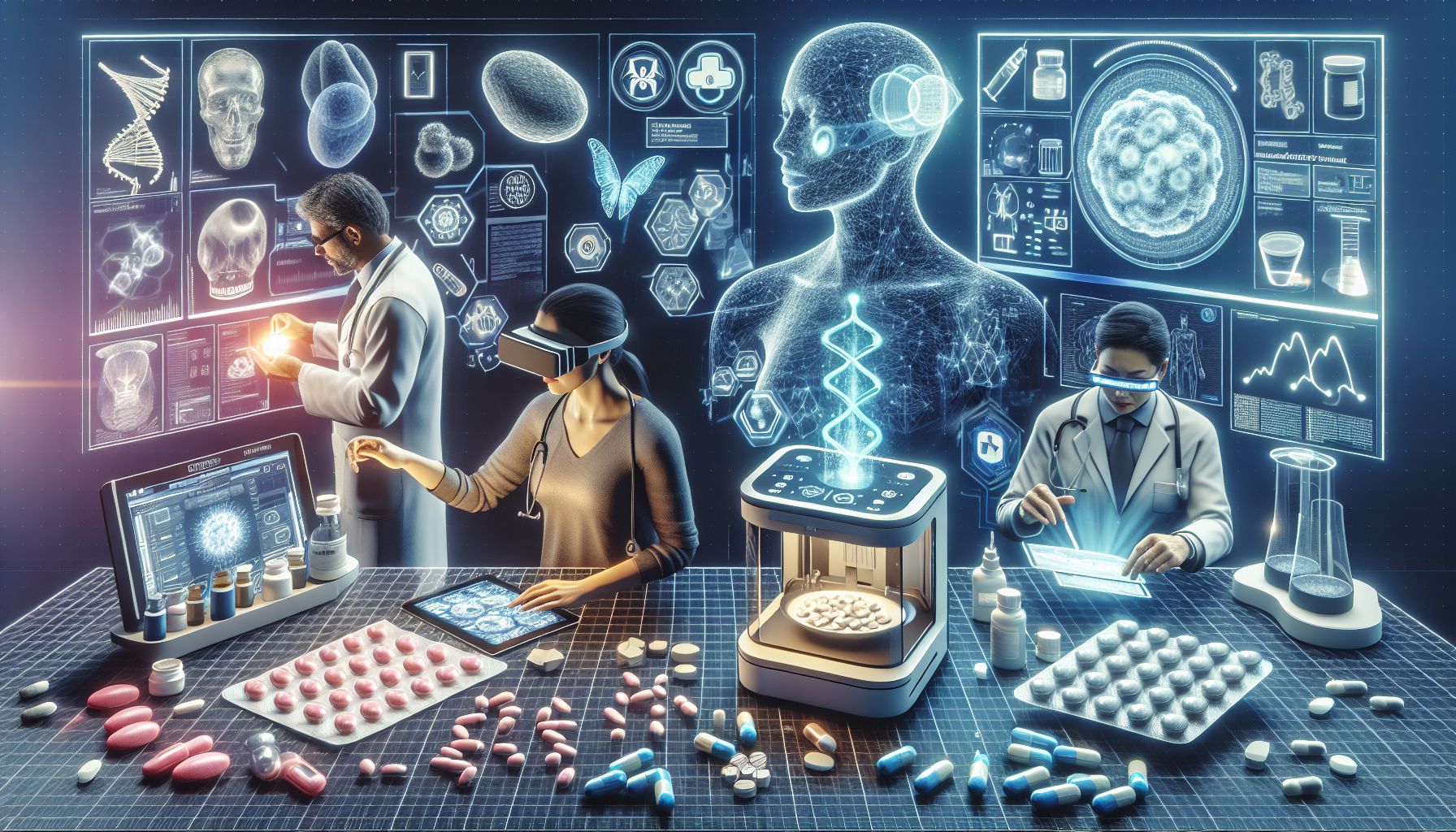
The healthcare industry is constantly evolving, and technological advancements have played a pivotal role in shaping its landscape. In recent years, we have witnessed an impressive convergence of technology and pharmaceutical products, leading to groundbreaking discoveries and improved patient care. This powerful alliance has transformed the way healthcare professionals deliver treatment and the way patients experience it.
The Power of Data-Driven Solutions
Technology has revolutionized every aspect of the healthcare sector, and pharmaceutical products are no exception. Data-driven solutions have become a vital tool in drug research and development, enabling scientists to accelerate the discovery process. Advanced algorithms and machine learning techniques analyze vast datasets, facilitating more accurate identification of potential drug candidates. Consequently, this expedites the development cycle and increases the likelihood of finding effective treatments for a multitude of diseases.
Artificial Intelligence (AI) has emerged as a game-changer in drug development. By simulating the behavior of molecules and predicting their interactions, AI algorithms can assess the efficacy and safety of potential drugs. This helps researchers make informed decisions, preventing the unnecessary time and expense associated with conventional trial and error methods.
Advanced Drug Delivery Systems
Modern technology has paved the way for innovative drug delivery systems, greatly enhancing the efficacy and patient experience. Gone are the days of traditional oral medications as the sole means of treatment. Technological advancements have allowed for sophisticated delivery methods such as transdermal patches, inhalers, and implantable devices.
Transdermal patches have transformed pain management, hormone therapy, and smoking cessation treatments. These patches provide a controlled release of medication through the skin, bypassing the digestive system and ensuring a consistent dosage over an extended period. Inhalers, on the other hand, are crucial for patients suffering from respiratory conditions. They enable quick and targeted drug delivery to the lungs, minimizing side effects and maximizing therapeutic benefits.
Moreover, implantable devices have revolutionized the treatment of chronic diseases. These small electronic devices, such as insulin pumps and cardiac pacemakers, are implanted within the body to administer medication or monitor vital signs. They significantly improve patients’ quality of life by automating treatment and reducing the need for constant medical intervention.
Transforming Patient Care with Digital Health Solutions
The integration of technology and pharmaceutical products has profoundly impacted patient care. Digital health solutions not only empower individuals to take control of their well-being but also enable healthcare professionals to provide remote monitoring and personalized treatments.
Mobile applications and wearable devices allow patients to track their health parameters, such as heart rate, blood pressure, and sleep patterns, in real-time. This constant monitoring enables early detection of potential health issues, ensuring timely interventions and preventing complications. Moreover, these technologies facilitate seamless communication between patients and healthcare providers, enhancing the overall patient experience.
Conclusion
The convergence of technology and pharmaceutical products has unleashed a new era of possibilities in healthcare. By harnessing the power of data-driven solutions, advanced drug delivery systems, and digital health solutions, we are witnessing remarkable advancements that are improving patient outcomes and revolutionizing the healthcare industry. With the continued collaboration between technology and pharmaceutical companies, we can anticipate even more groundbreaking discoveries and transformative solutions in the future.
Comments are Disabled