**The Fusion of Technology and Pharmaceutical Products**
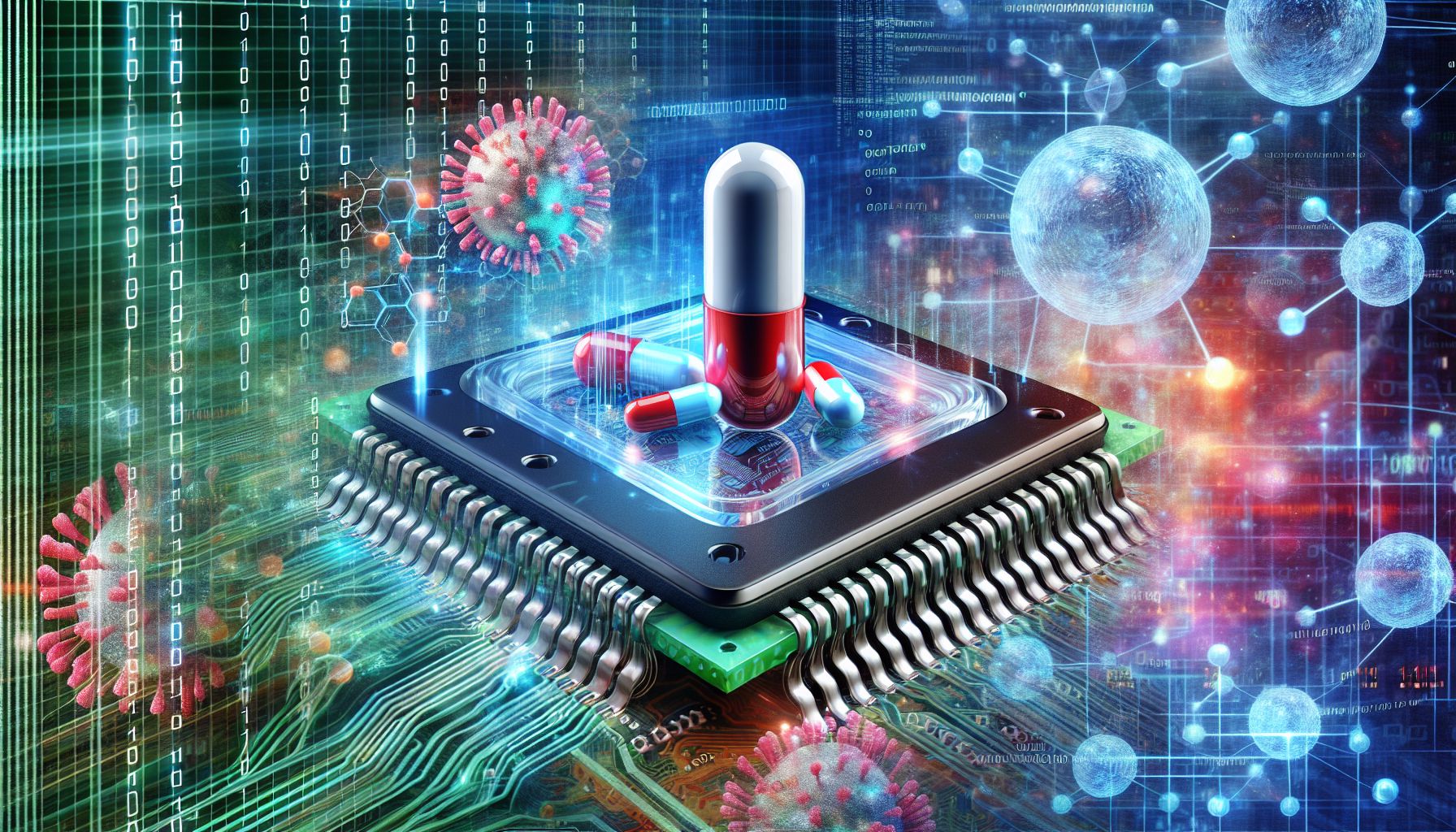
Technology has revolutionized almost every aspect of our lives, and the pharmaceutical industry is no exception. From drug discovery and development to patient care and monitoring, technology has played a vital role in advancing pharmaceutical products. This merger between technology and pharmaceuticals has not only facilitated scientific breakthroughs but has also transformed the way we diagnose, treat, and prevent diseases.
Advancements in Drug Discovery and Development
Historically, the process of drug discovery and development was lengthy, tedious, and costly. However, technology has drastically changed this landscape. High-throughput screening, bioinformatics, and artificial intelligence are some of the cutting-edge technologies that have expedited the drug discovery process. Through high-throughput screening, thousands of potential drug candidates can be tested simultaneously, significantly reducing the time and resources required to identify effective compounds.
Moreover, bioinformatics and big data analysis have become indispensable tools in pharmaceutical research. They enable scientists to analyze vast amounts of genomic data, identify potential drug targets, and predict drug efficacy. Artificial intelligence, on the other hand, can analyze complex patterns in data, aiding in the prediction of drug-drug interactions and side effects before testing on humans. These technological advancements have greatly enhanced the efficiency and success rate of drug discovery and development.
Digital Health and Personalized Medicine
Technology has immensely transformed healthcare by ushering in the era of digital health and personalized medicine. Innovative devices and applications have been developed to improve patient monitoring, diagnosis, and treatment. Wearable devices, such as fitness trackers and smartwatches, not only monitor vital signs but also provide valuable data to healthcare professionals, aiding in disease prevention and management.
Additionally, the advent of telemedicine has revolutionized healthcare accessibility, particularly in remote areas. Patients can now consult with doctors remotely through video conferences and receive prompt medical advice, reducing the need for physical visits and improving patient outcomes.
Personalized medicine, enabled by technology, takes into account an individual’s unique genetic makeup and health data to tailor treatment plans specifically for them. This approach has shown promising results, particularly in areas such as cancer treatment, where targeted therapies have revolutionized patient care.
Challenges and Ethical Considerations
Despite the numerous benefits, the fusion of technology and pharmaceutical products also poses challenges and ethical considerations. Data privacy and security are of utmost concern, as the use of technology involves the collection and storage of sensitive health information. Stricter regulations and measures to ensure data protection are crucial to maintain patient trust and privacy.
Moreover, the rapid pace of technological advancements requires constant adaptation and learning from healthcare professionals. Continuous education and training programs must be implemented to equip healthcare providers with the knowledge and skills necessary to utilize technology effectively in their practices.
Conclusion
Technology’s integration into pharmaceutical products has revolutionized drug discovery, personalized medicine, and patient care. The fusion of technology and pharmaceuticals has not only accelerated the process of finding new therapies but has also improved patient outcomes and healthcare accessibility. As technology continues to advance, it is crucial that we address the associated challenges and ethical considerations to fully harness the potential of this powerful relationship. With the right approach, technology can continue to serve as a catalyst for scientific breakthroughs and advancements in pharmaceutical products.
Comments are Disabled