How Technology is Transforming the Pharmaceutical Industry
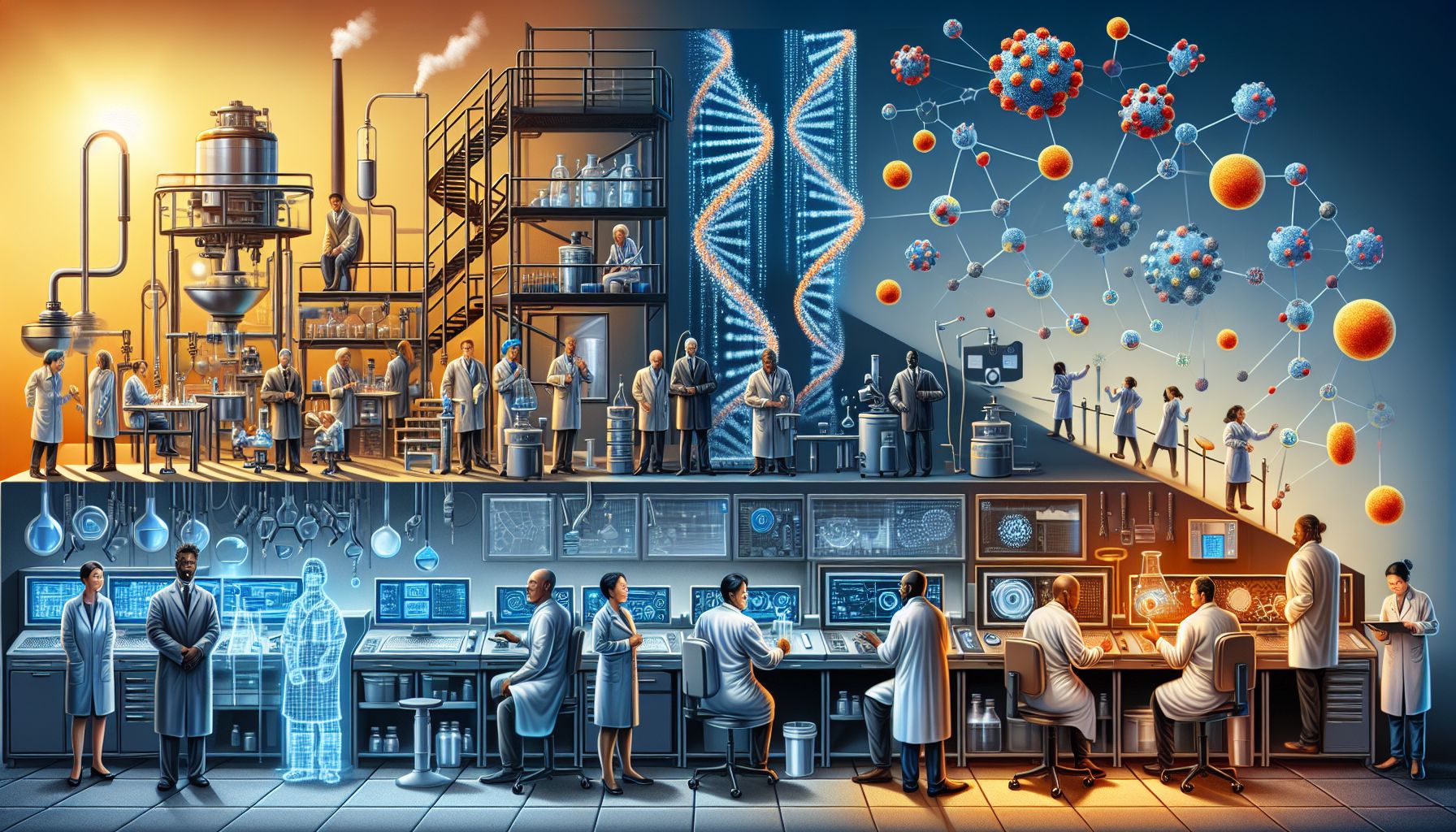
The pharmaceutical industry plays a crucial role in society, as it develops and manufactures drugs to prevent, diagnose, and treat diseases. Over the past few decades, technological advancements have revolutionized various sectors, and the pharmaceutical industry is no exception. With the help of technology, pharmaceutical products are becoming more innovative, effective, and accessible than ever before. This article will explore the ways in which technology is transforming pharmaceutical products.
Improved Research and Development
Technology has greatly enhanced the research and development process in the pharmaceutical industry. High-performance computing enables scientists to analyze vast amounts of biological data and identify potential drug targets. With the emergence of artificial intelligence, machine learning algorithms can now be employed to quickly screen compounds and predict their effectiveness, saving both time and resources. Additionally, virtual simulations and modeling techniques allow researchers to conduct experiments in a virtual environment, speeding up the design and testing of new drugs.
Enhanced Drug Delivery
Advancements in technology have also led to significant improvements in drug delivery systems. Traditional oral capsules and injections are no longer the only options available. Smart pills, tiny electronic devices that can be ingested, are being developed to monitor patients’ health conditions and deliver medication at the right time and dosage. Nanotechnology has also paved the way for targeted drug delivery, where medicines can be delivered directly to a specific area of the body, increasing their efficacy and reducing side effects.
Better Patient Care
Technology has not only impacted the development of pharmaceutical products but also improved patient care. Mobile apps and wearable devices, such as fitness trackers and smartwatches, can collect real-time data on patients’ vital signs, physical activity, and sleep patterns. This data can be shared with healthcare professionals, enabling personalized treatment plans and remote monitoring of patients. Telemedicine, another technological advancement, allows patients to consult with doctors through video calls, eliminating the need for physical appointments, and reducing waiting times.
Increased Safety and Efficiency
With the integration of technology, pharmaceutical products have become safer and more efficient. Electronic prescribing systems have replaced paper prescriptions, minimizing errors and ensuring accurate medication. Real-time monitoring of drug manufacturing processes has enhanced quality control and reduced the production of counterfeit drugs. Intelligent automation and robotics have also made drug production faster and more precise, reducing human error and increasing efficiency.
Conclusion
Technology has undoubtedly transformed the pharmaceutical industry, making it more innovative, efficient, and patient-centric. From improved research and development to enhanced drug delivery and better patient care, the advancements in technology have revolutionized the way pharmaceutical products are developed and used. As technology continues to evolve, we can expect further advancements in the industry, leading to even more groundbreaking discoveries and treatments for diseases.
Comments are Disabled