The Integration of Technology in Pharmaceutical Products
In today’s fast-paced world, technology has become an integral part of our daily lives. Its influence is felt in almost every industry, and the pharmaceutical sector is no exception. With the advancement of technology, pharmaceutical products have evolved to offer more accurate diagnoses, enhanced treatment options, and improved patient care. This article explores how technology has revolutionized the pharmaceutical industry and the benefits it brings to both healthcare professionals and patients.
1. Introduction
Technological advancements have paved the way for innovative solutions in the pharmaceutical sector. From research and development to manufacturing and distribution, technology plays a crucial role at every stage of the industry’s value chain. These advancements have greatly improved the efficiency, safety, and effectiveness of pharmaceutical products.
2. The Role of Technology in Research and Development
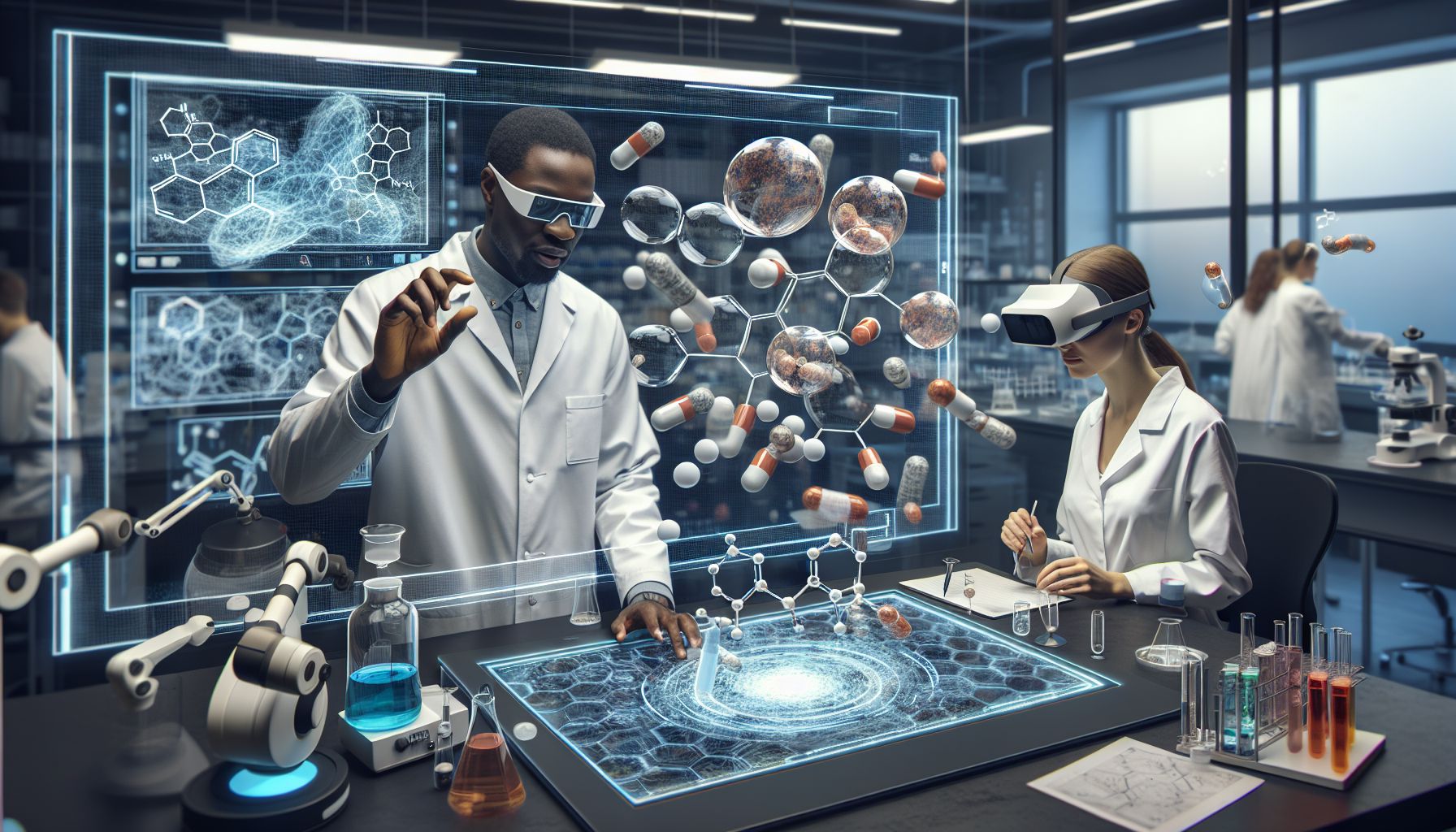
The integration of technology in pharmaceutical research and development has exponentially increased the speed and precision of drug discovery. Computer modeling and artificial intelligence algorithms provide researchers with the ability to predict the efficacy and safety of potential drugs, saving time and resources. Furthermore, automation and robotics have streamlined laboratory processes, allowing scientists to conduct experiments with higher accuracy and reliability.
3. Diagnostic Technologies
Technological advancements have also greatly enhanced diagnostic capabilities. The advent of wearable devices, such as fitness trackers and smartwatches, has enabled individuals to monitor their health in real-time. These devices can detect irregularities in vital signs, alerting users and healthcare professionals to potential health problems. Additionally, diagnostic imaging technologies, including MRI and CT scanners, have become more advanced, allowing for earlier detection of diseases and more targeted treatment plans.
4. Treatment and Patient Care
The integration of technology has revolutionized treatment options and patient care in the pharmaceutical industry. Telemedicine, for instance, enables remote consultations and diagnoses, breaking down geographical barriers and providing healthcare access to individuals in remote areas. Mobile applications and digital platforms have also empowered patients to actively manage their health by tracking medication adherence, accessing relevant medical information, and connecting with healthcare providers in real-time.
5. Ensuring Safety and Quality Control
Technology has also played a vital role in ensuring the safety and quality control of pharmaceutical products. With the implementation of sophisticated tracking systems and serial number verification, counterfeit drugs can be easily identified and eliminated from the supply chain. Additionally, digital labeling and packaging technologies provide tamper-proof solutions, preventing unauthorized access and ensuring the integrity of pharmaceutical products.
6. Conclusion
Technology continues to reshape the pharmaceutical industry, enhancing its capacity to develop innovative products and improve patient care. The integration of technology in pharmaceutical research and development has expedited drug discovery, while diagnostic technologies enable early detection of diseases. Treatment options and patient care have been greatly improved through telemedicine and mobile applications. Furthermore, technology plays a vital role in ensuring the safety and quality control of pharmaceutical products. As technology continues to advance, we can expect further innovations and improvements in the industry, ultimately enhancing the well-being of individuals worldwide.
Comments are Disabled