The Intersection of Technology and Pharmaceutical Products
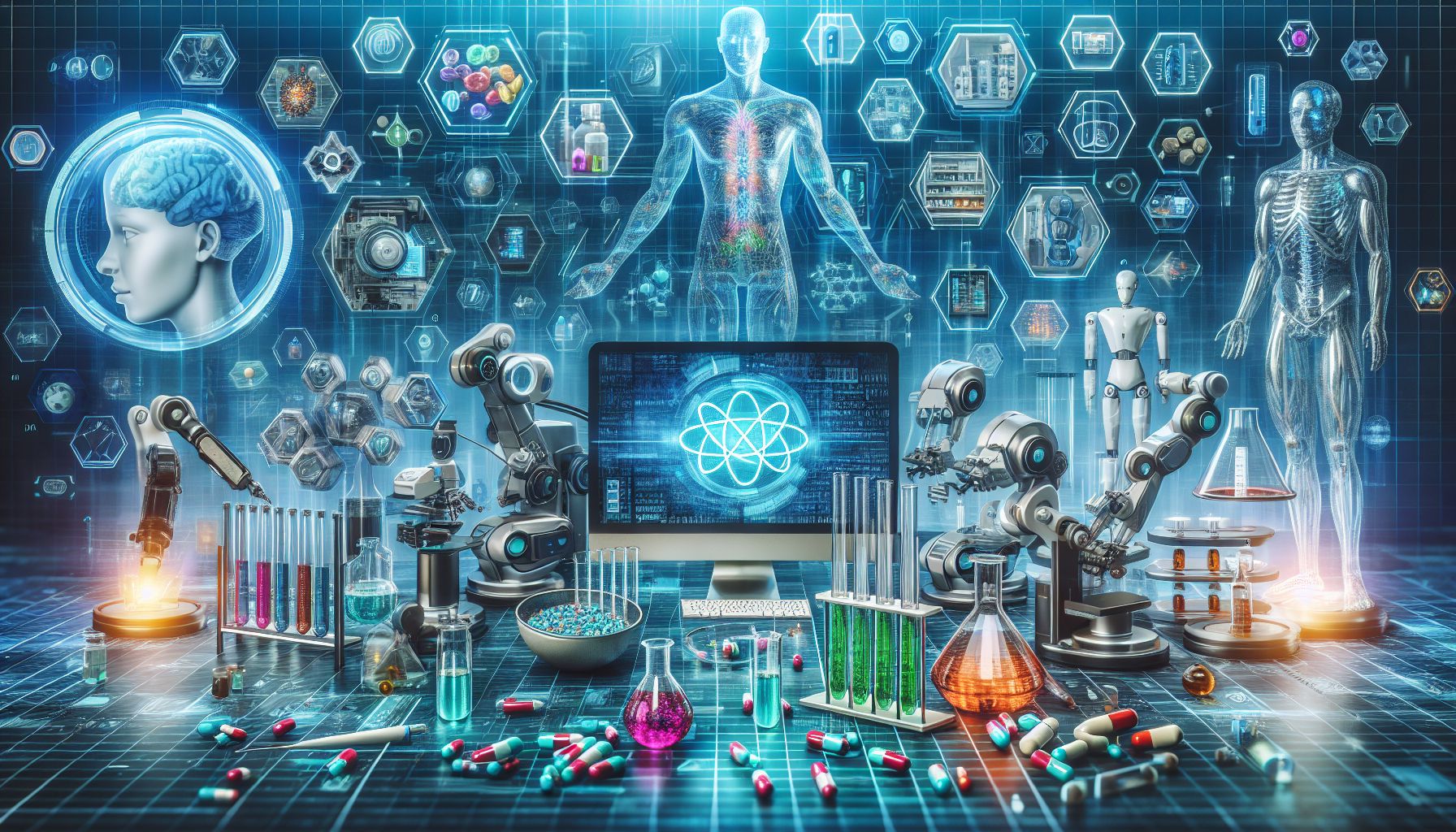
In today’s digital era, technology has revolutionized almost every aspect of our lives. From communication to travel, every industry has embraced technological advancements to enhance efficiency and drive innovation. The pharmaceutical industry is no exception. As the need for faster and more accurate healthcare solutions grows, the integration of technology with pharmaceutical products has become imperative. In this article, we will explore the significant impact technology has had on pharmaceutical products.
The Rise of Digital Health Monitoring
Gone are the days when patients solely relied on regular doctor visits to monitor their health conditions. With the advent of wearable devices, tracking vital signs and other health parameters has become both accessible and efficient. Devices like fitness trackers, smartwatches, and portable health monitoring systems enable individuals to monitor their health on a real-time basis.
These digital health monitoring solutions have major implications for the pharmaceutical industry. By using connected devices, pharmaceutical companies can gather vast amounts of data regarding drug efficacy, side effects, and patient outcomes. This data enables researchers to fine-tune their products, ensuring they meet the specific needs of patients and yield better results.
The Promise of Telemedicine
Telemedicine, also known as remote healthcare, has gained immense popularity in recent years. Through video calls, phone consultations, and online platforms, patients can now access medical advice and treatment without physically visiting a healthcare facility. This innovation has significantly reduced the burden on hospitals, particularly during the COVID-19 pandemic.
The integration of telemedicine technology with pharmaceutical products is transforming the way healthcare is delivered. Prescription apps simplify medication management, allowing patients to order prescription drugs online and have them delivered to their homes. This streamlined process not only improves patient convenience but also enhances medication adherence and reduces the risk of missing doses.
Precision Medicine and Big Data
Advancements in technology have also played a pivotal role in the emergence of precision medicine. By analyzing large sets of patient data, medical researchers can identify specific biomarkers and genetic variations that influence individual responses to certain drugs. This personalized approach to healthcare ensures that patients receive the most effective treatments based on their unique genetic makeup.
Big data analytics, combined with genetic profiling, have the potential to revolutionize drug development and clinical trials. Pharmaceutical companies can leverage this technology to identify patient subgroups that are more likely to respond positively to their products, expediting the drug development process and reducing costs.
Conclusion
The convergence of technology and pharmaceutical products has undeniably transformed the healthcare landscape. Through digital health monitoring, telemedicine, and precision medicine, the pharmaceutical industry is becoming more patient-centric and data-driven. This symbiotic relationship between technology and pharmaceuticals holds tremendous promise for improving patient outcomes, increasing medication adherence, and accelerating the development of life-saving drugs.
As technology continues to evolve, we can expect the integration of new innovations that further enhance the efficacy and accessibility of pharmaceutical products. With a commitment to innovation and continued collaboration between the technology and pharmaceutical sectors, we can look forward to an era of cutting-edge healthcare solutions that positively impact millions of lives.
Comments are Disabled