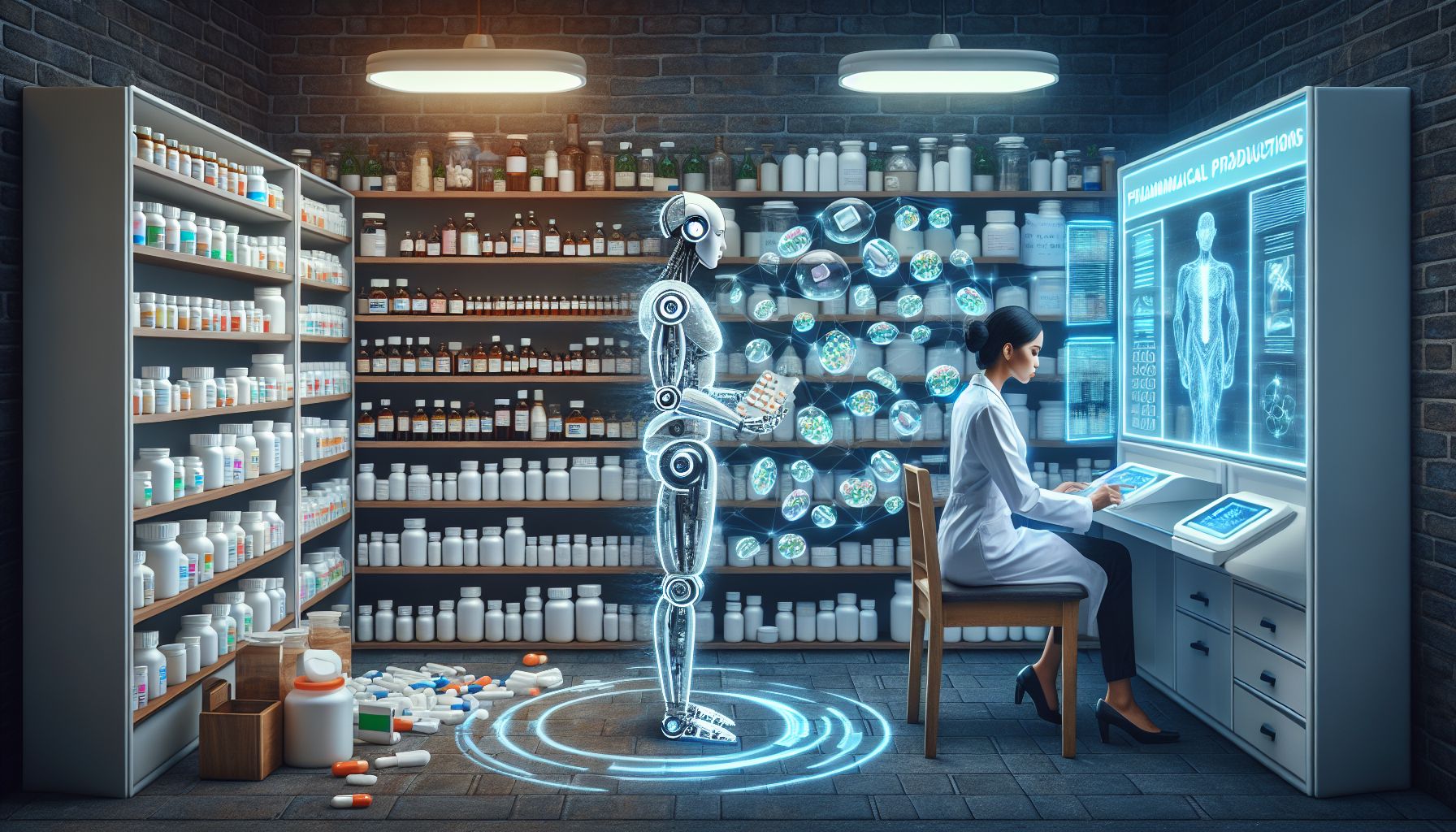
The Impact of Technology on Pharmaceutical Products
Technology has revolutionized various sectors, and the pharmaceutical industry is no exception. With advancements in technology, pharmaceutical products have become more efficient, precise, and accessible than ever before. From drug discovery to manufacturing and distribution, technology has played a crucial role in enhancing the development and accessibility of life-saving medications.
Enhanced Drug Discovery
One of the most significant contributions of technology to pharmaceutical products is in the field of drug discovery. Advanced technologies like artificial intelligence (AI) and machine learning have enabled researchers to analyze vast amounts of data and identify potential drug candidates more quickly. These technologies can predict the effectiveness and safety of certain compounds, thus speeding up the drug discovery process.
Moreover, technologies like high-throughput screening allow scientists to test numerous compounds simultaneously, significantly reducing the time and resources required for preclinical testing. This not only accelerates the development of new medications but also increases the chances of identifying effective treatments for various diseases.
Streamlined Manufacturing
Technology has also transformed the manufacturing process of pharmaceutical products. Automation and robotics have made manufacturing more efficient, accurate, and cost-effective. Complex machines and systems can now carry out precise chemical reactions and formulation processes, ensuring uniformity and quality control.
Furthermore, smart manufacturing technologies enable real-time monitoring of production processes, reducing the risk of errors and contamination. These advancements enhance both the safety and efficacy of pharmaceutical products, ensuring that patients receive medications of the highest standard.
Improved Patient Care
Technology has brought about significant improvements in patient care through the development of innovative pharmaceutical products. One such example is the rise of wearable devices and mobile health applications. These tools allow patients to monitor their health, receive personalized medication reminders, and track their treatment progress.
Pharmaceutical companies are also leveraging technology to create patient-centric solutions. For instance, smart pill bottles equipped with Bluetooth technology can send reminders to patients to take their medication, while also notifying healthcare providers about adherence rates. Such advancements not only improve patient outcomes but also enhance medication adherence and, ultimately, save lives.
The Future of Pharmaceuticals
As technology continues to advance at an unprecedented pace, the future of pharmaceutical products looks promising. The use of 3D printing in drug manufacturing is gaining traction, allowing for personalized and customizable medications. Nanotechnology is also making strides and holds immense potential in targeted drug delivery systems.
Moreover, the integration of technology with genetic research is opening up new possibilities for precision medicine. The ability to analyze an individual’s genetic makeup and tailor medications accordingly is revolutionizing treatment strategies, offering more effective and personalized therapies.
In conclusion, technology has had a profound impact on the development and accessibility of pharmaceutical products. From speeding up drug discovery to improving manufacturing processes and patient care, technology continues to shape the future of the pharmaceutical industry. As we embrace these advancements, we can expect to witness even greater innovations that will improve healthcare outcomes and enhance the quality of life for people worldwide.
Comments are Disabled