The Advancements of Technology in the Pharmaceutical Industry
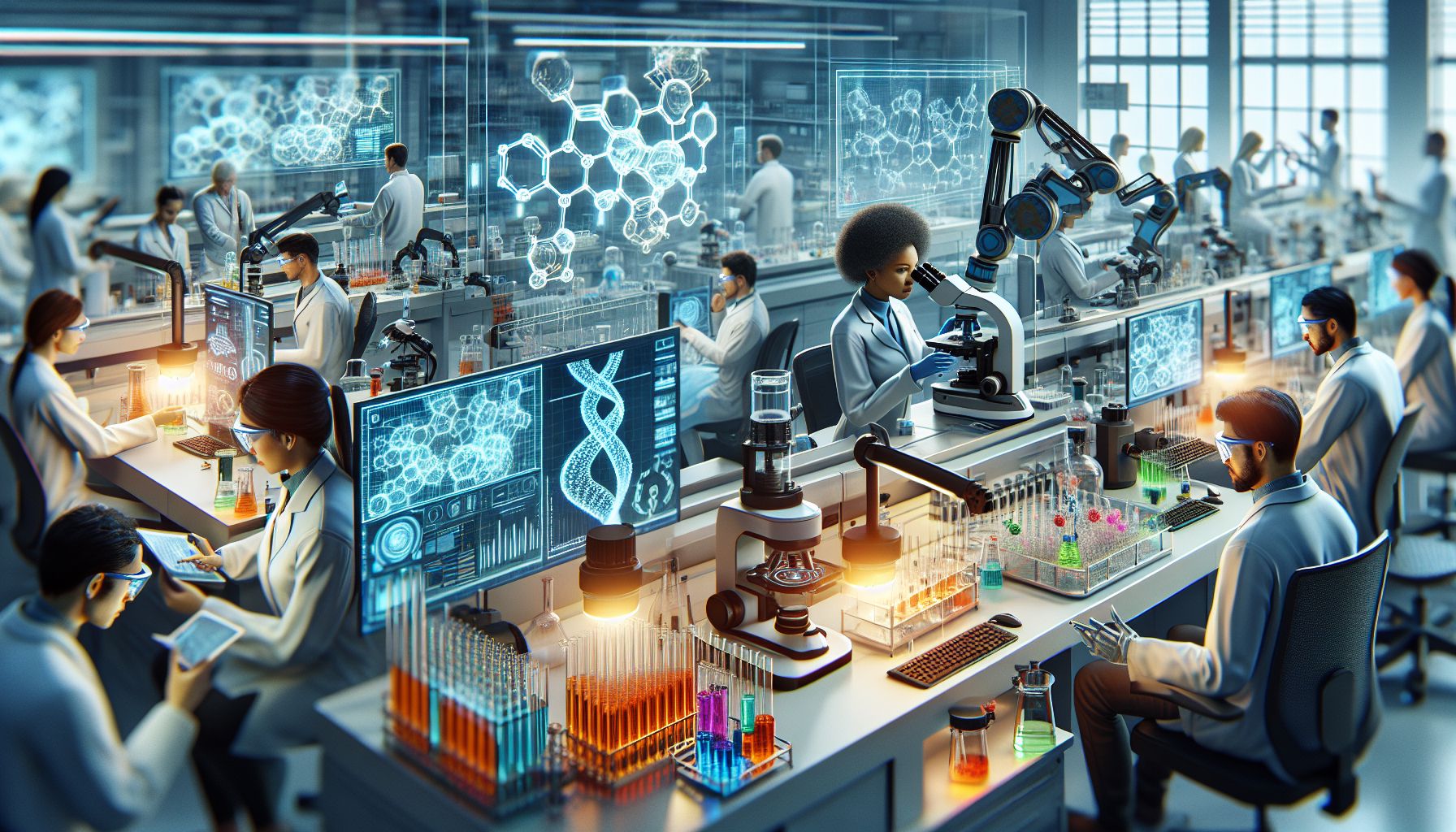
Technology has significantly impacted the pharmaceutical industry, revolutionizing the way drugs are developed, tested, and brought to market. With the integration of cutting-edge technologies, the industry has been able to enhance efficiency, improve accuracy, and accelerate the pace of innovation.
One of the most significant ways in which technology has transformed the pharmaceutical industry is through the use of artificial intelligence (AI) and machine learning. These technologies have enabled researchers to analyze vast amounts of data, identify patterns, and make predictions with unprecedented speed and accuracy. This has helped to streamline the drug discovery process, reducing the time and cost involved in bringing new drugs to market.
Additionally, technology has played a crucial role in drug testing and clinical trials. Advanced imaging techniques, such as MRI and PET scans, allow researchers to monitor the effects of experimental drugs in real-time, providing valuable insights into their efficacy and safety. Furthermore, virtual clinical trials conducted remotely via telemedicine platforms have made it easier for patients to participate in studies, improving recruitment rates and speeding up the development of new medications.
Moreover, technology has transformed the way pharmaceutical products are manufactured and distributed. Automated systems and robotics have made production processes more efficient and precise, ensuring consistent quality and reducing the risk of errors. Digital tracking systems and blockchain technology have also improved supply chain management, making it easier to trace the origins of drugs and prevent counterfeit products from entering the market.
In the realm of personalized medicine, technology has empowered healthcare providers to tailor treatments to individual patients based on their genetic makeup and other factors. Precision medicine platforms and genetic testing services have enabled doctors to identify the most effective therapies for each patient, leading to better outcomes and fewer side effects.
Looking ahead, the pharmaceutical industry is poised to continue benefiting from advancements in technology. The rise of digital health tools, such as wearable devices and mobile apps, will enable patients to monitor their health more closely and communicate with healthcare providers in real-time. Furthermore, the integration of big data analytics and genetic sequencing technologies will pave the way for the development of even more targeted and effective treatments.
In conclusion, technology has had a profound impact on the pharmaceutical industry, driving innovation and improving patient outcomes. By leveraging the power of AI, machine learning, advanced imaging techniques, and other technological advancements, the industry is transforming the way drugs are developed, tested, and delivered. As technology continues to evolve, the future of pharmaceutical products looks brighter than ever before.
Comments are Disabled