The Intersection of Technology and Pharmaceutical Products
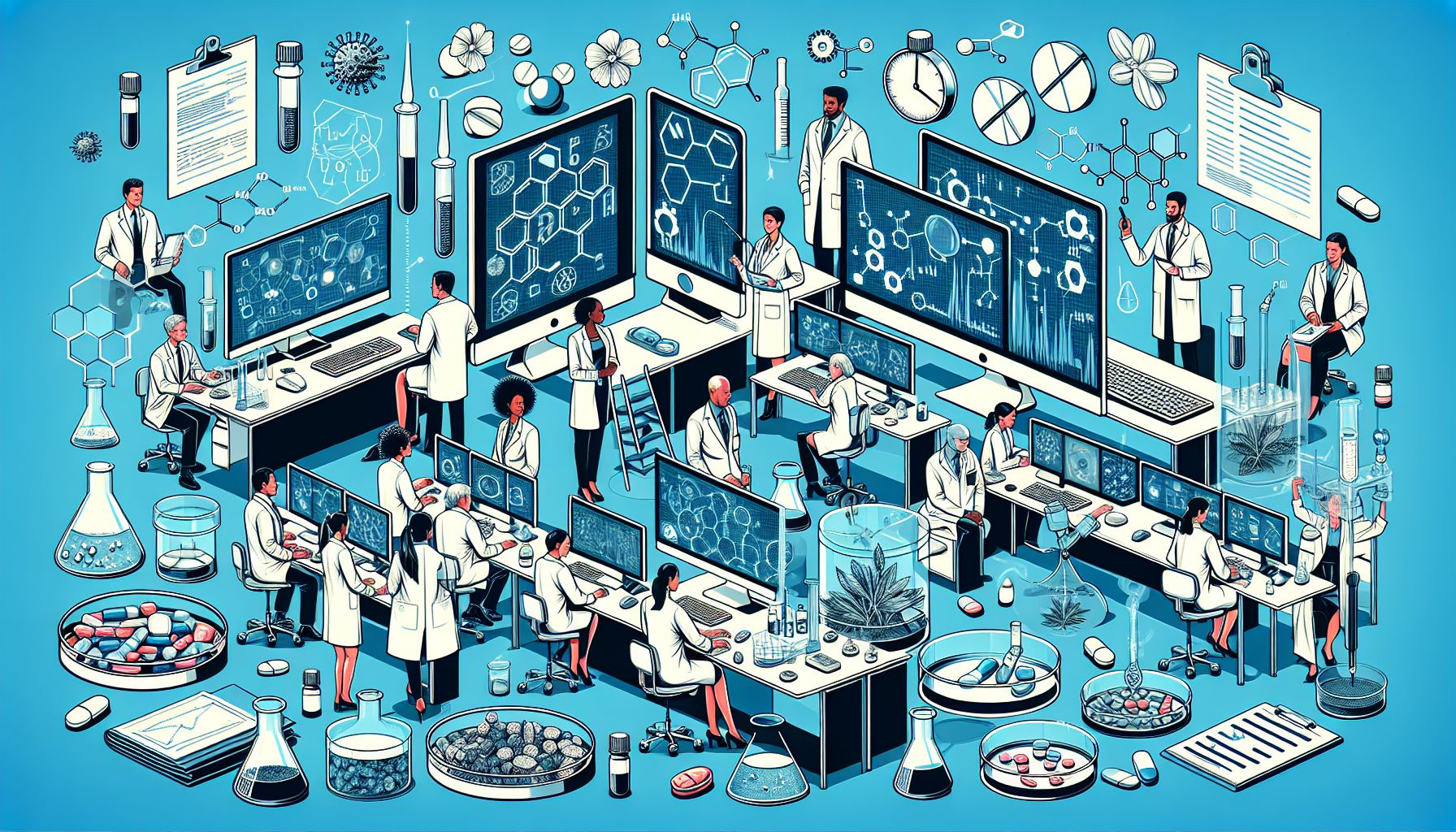
As technology continues to advance at a rapid pace, its impact on various industries, including healthcare and pharmaceuticals, is becoming increasingly significant. The integration of technology with pharmaceutical products has revolutionized the way medical treatments are developed, delivered, and monitored.
One of the most notable advancements in this field is the development of personalized medicine, also known as precision medicine. This approach uses a patient’s genetic and molecular profile to tailor medical treatments to their specific needs. By leveraging technology such as genomic sequencing and data analytics, pharmaceutical companies can create targeted therapies that are more effective and have fewer side effects.
Additionally, technology has played a crucial role in improving drug discovery and development processes. With the help of artificial intelligence (AI) and machine learning algorithms, researchers can analyze vast amounts of data to identify potential drug candidates much faster than traditional methods. This not only accelerates the pace of drug development but also reduces costs and increases the likelihood of success.
Furthermore, technology has enabled the creation of innovative drug delivery systems that enhance the effectiveness and convenience of pharmaceutical products. For example, smart pills with embedded sensors can track medication adherence and provide real-time data to healthcare providers. Similarly, wearable devices and mobile apps allow patients to monitor their health metrics and receive personalized treatment recommendations.
In the era of telemedicine, technology has also facilitated remote consultations and monitoring of patients, particularly those with chronic conditions. Virtual healthcare platforms enable patients to interact with healthcare providers from the comfort of their homes, reducing the need for in-person visits and improving access to care.
Despite the numerous benefits of integrating technology with pharmaceutical products, there are also challenges that need to be addressed. Issues related to data privacy, cybersecurity, and regulatory compliance must be carefully managed to ensure the safety and security of patient information.
In conclusion, the nexus of technology and pharmaceutical products has paved the way for groundbreaking innovations in healthcare. From personalized medicine and AI-driven drug discovery to smart drug delivery systems and telemedicine solutions, technology is reshaping the pharmaceutical industry and revolutionizing patient care. As these advancements continue to evolve, it is essential for stakeholders to collaborate and navigate the complexities of integrating technology into the development and delivery of pharmaceutical products.
Comments are Disabled