The Intersection of Technology and Pharmaceuticals
In today’s rapidly evolving world, technology has become an integral part of almost every industry, and the pharmaceutical sector is no exception. The convergence of technology and pharmaceutical products has brought about numerous advancements that have revolutionized the way we develop, produce, and consume medicine.
One of the key ways in which technology has impacted the pharmaceutical industry is through the use of artificial intelligence (AI) and machine learning. These technologies have enabled researchers to analyze vast amounts of data and identify potential drug candidates more quickly and accurately than ever before. By using algorithms to sift through huge datasets, scientists can pinpoint molecules that have the potential to be developed into new drugs, speeding up the drug discovery process significantly.
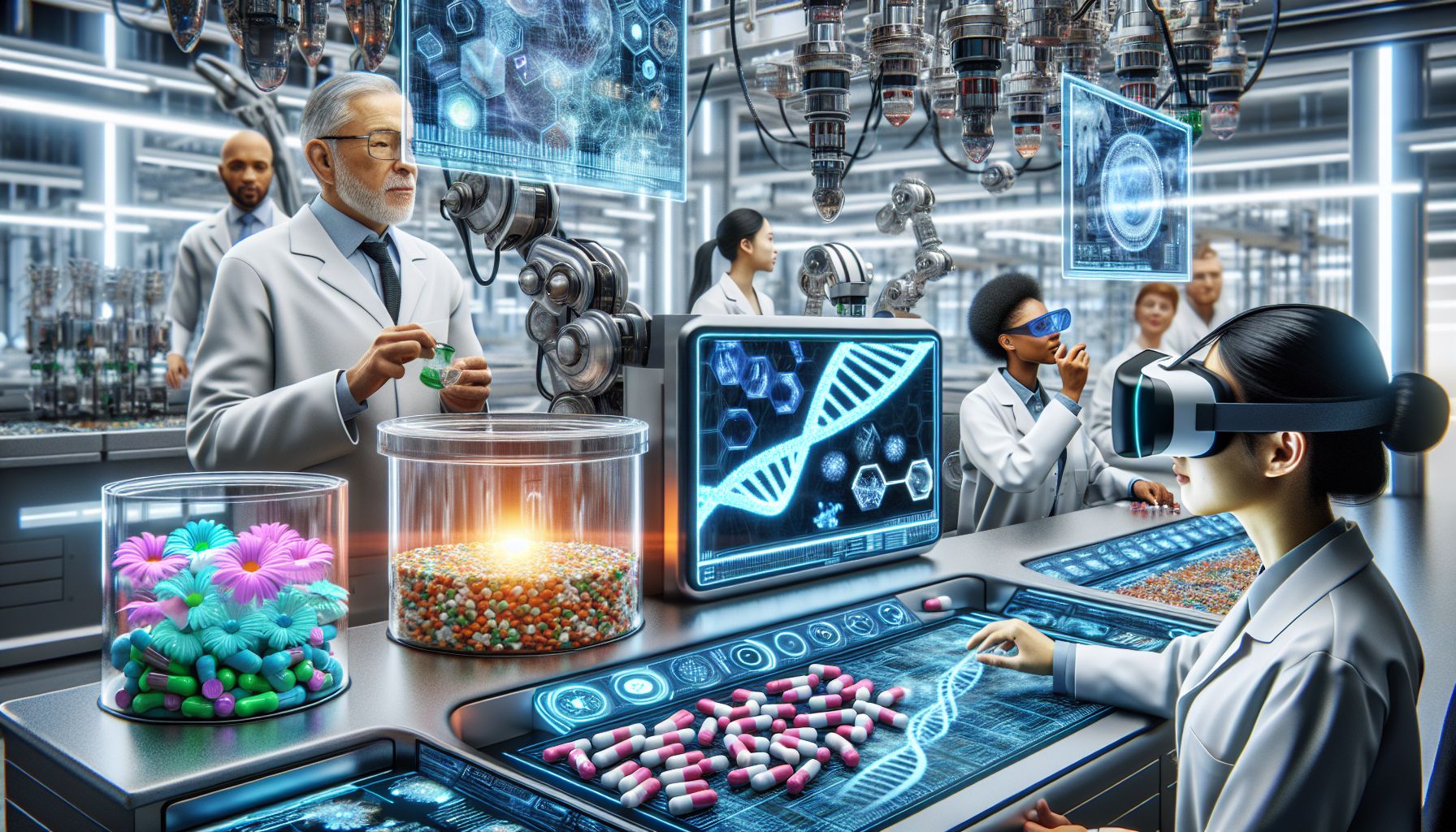
In addition to speeding up drug discovery, technology has also played a crucial role in improving the efficiency of pharmaceutical manufacturing. Advanced robotics and automation systems have been introduced in many pharmaceutical plants, reducing the risk of errors and contamination while increasing productivity. These technologies have not only made the manufacturing process faster and more reliable but also safer for both workers and consumers.
Furthermore, the rise of telemedicine and digital health platforms has transformed the way patients access and receive healthcare. From virtual doctor consultations to mobile health apps that track medication adherence, technology has made it easier for individuals to manage their health and connect with healthcare providers. This has been particularly crucial during the COVID-19 pandemic, when in-person healthcare services were limited.
Another area where technology and pharmaceuticals intersect is in the realm of personalized medicine. By utilizing genetic testing and data analytics, doctors can now tailor treatments to individual patients based on their genetic makeup, lifestyle, and medical history. This targeted approach not only increases the efficacy of treatments but also reduces the risk of adverse reactions, leading to better outcomes for patients.
While the synergy between technology and pharmaceutical products has brought about many benefits, it has also raised ethical and privacy concerns. The use of AI in drug development, for example, raises questions about the transparency of algorithms and the potential biases that could be embedded in them. Additionally, the collection and analysis of patient data for personalized medicine raise questions about data security and patient consent.
In conclusion, the integration of technology into the pharmaceutical industry has brought about numerous advancements that have transformed the way we develop, produce, and consume medicine. From accelerating drug discovery to improving manufacturing processes and enhancing patient care, technology has revolutionized the pharmaceutical sector in countless ways. However, as we continue to embrace these technological innovations, it is essential to address the ethical and privacy implications that come with them to ensure that the benefits of technology in healthcare are maximized while minimizing the risks.
Comments are Disabled