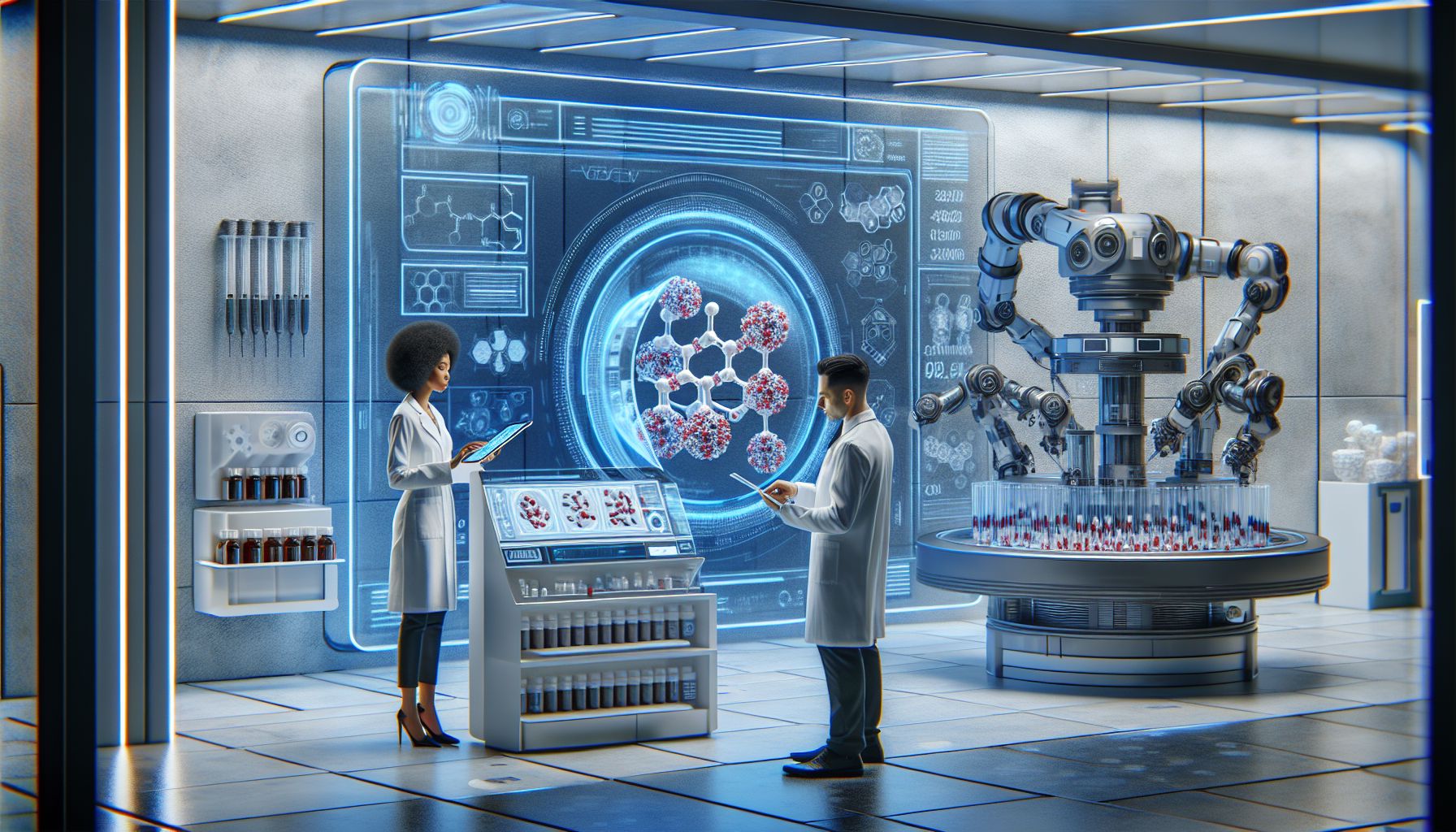

The Intersection of Technology and Pharmaceutical Products
In recent years, there has been a significant shift in the pharmaceutical industry towards incorporating technology into the development and production of drugs. This intersection of technology and pharmaceutical products has the potential to revolutionize the way medications are created, tested, and distributed, ultimately leading to improved healthcare outcomes for patients around the world.
One way that technology is changing the pharmaceutical landscape is through the use of artificial intelligence (AI) and machine learning. These technologies are being utilized to streamline the drug discovery process, making it faster and more efficient than ever before. By analyzing vast amounts of data and identifying patterns, AI algorithms can help researchers identify potential drug candidates and predict their efficacy with greater accuracy. This has the potential to reduce the time and cost involved in bringing new medications to market, ultimately benefiting patients who can access these life-saving treatments more quickly.
Another way that technology is being integrated into pharmaceutical products is through the use of personalized medicine. Advances in genetic testing and data analysis have made it possible to tailor treatments to individual patients based on their unique genetic makeup. By understanding a patient’s genetic profile, healthcare providers can prescribe medications that are more likely to be effective and less likely to cause adverse reactions. This personalized approach to medicine has the potential to improve patient outcomes and reduce healthcare costs in the long run.
Furthermore, technology is also being used to improve medication adherence and patient outcomes. Smart pill bottles and packaging with embedded sensors can remind patients to take their medications on time and alert healthcare providers if doses are missed. Mobile apps and wearable devices can track patients’ vital signs and alert them to potential health issues. These technologies help patients stay on track with their treatment regimens and provide valuable data to healthcare providers, ultimately leading to better health outcomes.
In conclusion, the integration of technology into pharmaceutical products is transforming the way drugs are developed, tested, and delivered to patients. From AI-driven drug discovery to personalized medicine and medication adherence tools, technology has the potential to revolutionize healthcare and improve patient outcomes. As the pharmaceutical industry continues to embrace technological advancements, we can expect to see even more innovative solutions that benefit patients and healthcare providers alike.
Comments are Disabled