The Intersection of Technology and Pharmaceutical Products
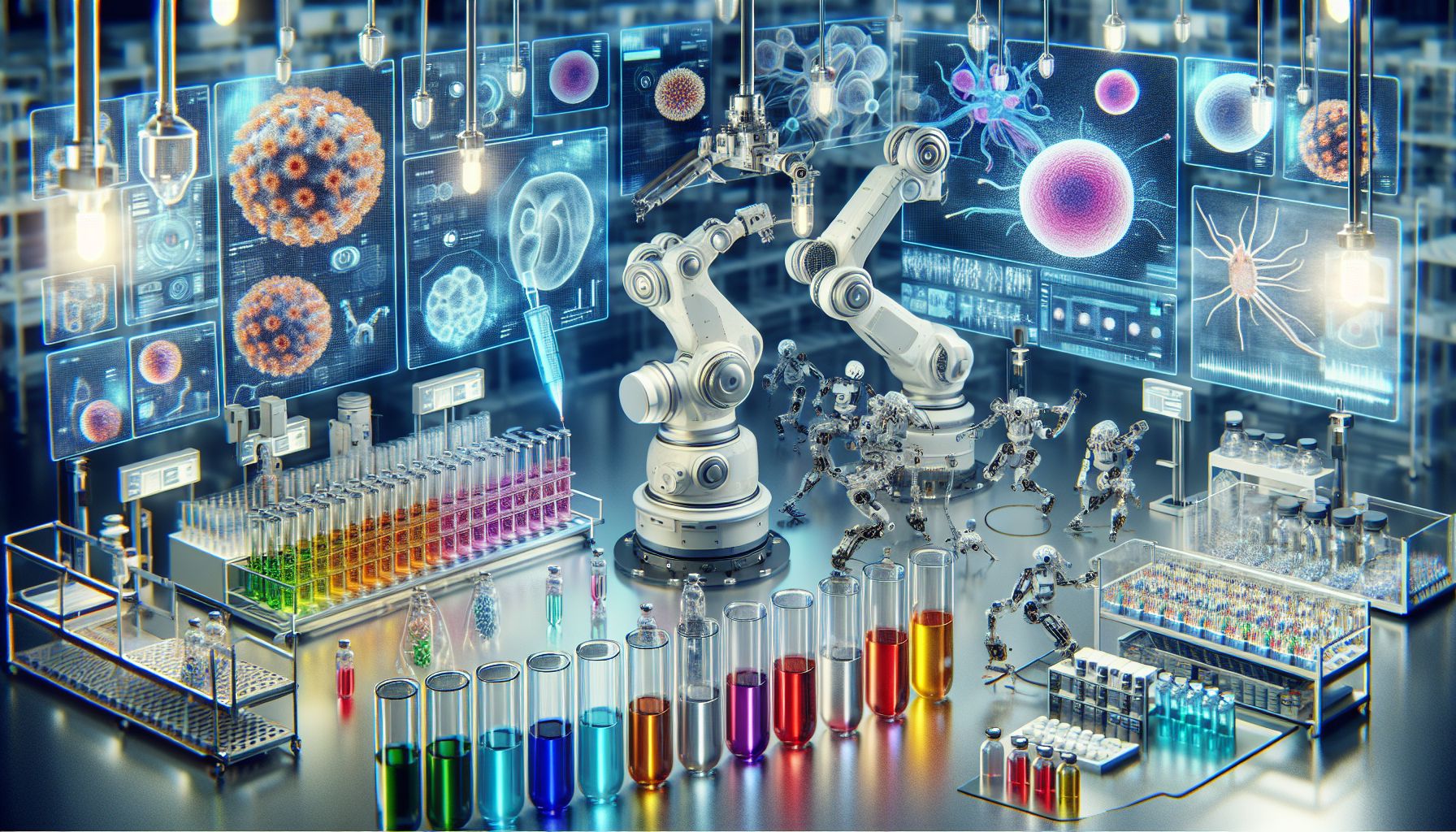
In today’s rapidly advancing world, technology plays a crucial role in nearly every industry, including pharmaceuticals. The marriage of technology and pharmaceutical products has led to significant advancements in drug development, manufacturing, and delivery, ultimately improving patient outcomes.
One of the key ways technology has revolutionized the pharmaceutical industry is through the use of artificial intelligence (AI) and machine learning. These technologies have the ability to analyze vast amounts of data to identify potential drug candidates, predict how patients will respond to certain treatments, and even help design personalized medicine. By harnessing the power of AI, pharmaceutical companies can streamline the drug discovery process, reduce costs, and bring lifesaving medications to market quicker than ever before.
Another important technological advancement in the pharmaceutical industry is the development of 3D printing for drug manufacturing. 3D printing allows for the creation of complex drug formulations that are impossible to produce using traditional methods. This technology not only enables the customization of medications for individual patients but also provides a more efficient and cost-effective way to manufacture drugs on-demand.
In addition to drug discovery and manufacturing, technology has also transformed the way pharmaceutical products are delivered to patients. From smart pill bottles that remind patients to take their medication to wearable devices that track health metrics in real-time, the integration of technology into drug delivery systems has greatly improved patient adherence and overall health outcomes.
Furthermore, advancements in digital health technologies, such as telemedicine and remote monitoring, have made it easier for patients to access healthcare services and manage their conditions from the comfort of their own homes. These technologies not only save time and money for patients but also help pharmaceutical companies collect valuable data to improve their products and services.
While the intersection of technology and pharmaceutical products has led to numerous benefits, it is important to also consider the ethical implications and potential risks associated with these advancements. From concerns about data privacy and security to questions about the regulation of AI-driven drug discovery, there are still many challenges that need to be addressed as technology continues to transform the pharmaceutical industry.
In conclusion, the integration of technology into the development, manufacturing, and delivery of pharmaceutical products has the potential to revolutionize healthcare and improve patient outcomes. By leveraging the power of AI, 3D printing, and digital health technologies, pharmaceutical companies can create more personalized, efficient, and effective treatments for a wide range of medical conditions. However, it is essential to approach these advancements with caution and ensure that ethical considerations are always at the forefront of innovation in the pharmaceutical industry.
Comments are Disabled