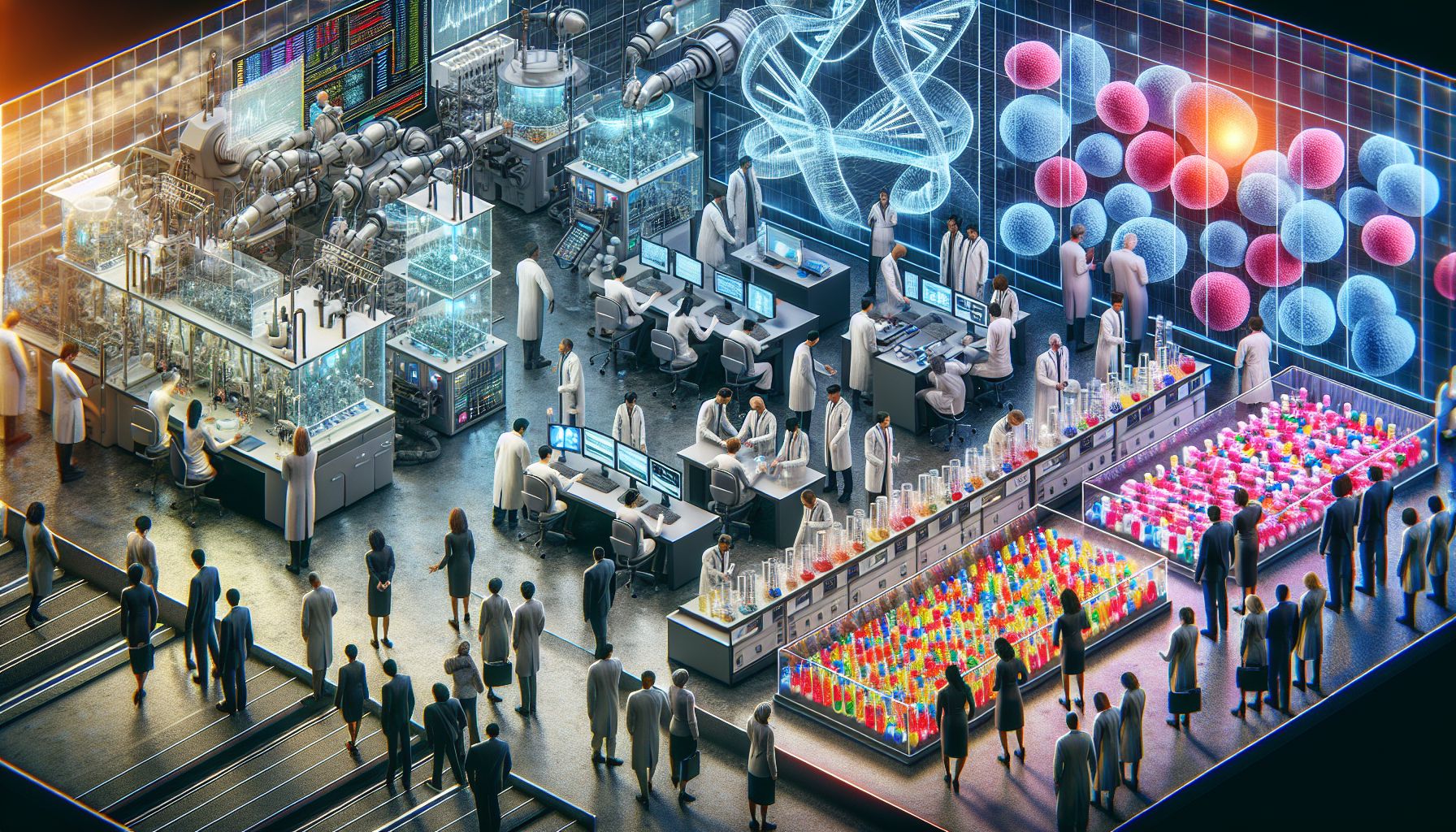
The Intersection of Technology and Pharmaceutical Products
In recent years, the pharmaceutical industry has seen an influx of technological advancements that have revolutionized the way drugs are developed, tested, and delivered to patients. These advancements have not only improved the efficiency and accuracy of the pharmaceuticals sector but have also paved the way for groundbreaking innovations in medicine.
One of the most significant impacts of technology on pharmaceutical products is in the realm of drug discovery. The use of artificial intelligence, machine learning, and big data analytics has enabled researchers to identify potential drug candidates more quickly and accurately than ever before. This has drastically reduced the time and cost associated with developing new drugs, ultimately leading to more effective treatments for a wide range of medical conditions.
Additionally, technology has played a crucial role in improving the quality and reliability of pharmaceutical products. Advanced manufacturing techniques such as 3D printing and continuous manufacturing have enhanced the production process, resulting in higher-quality drugs that are more consistent in dosage and formulation. These advancements have also enabled the development of personalized medicine, where drugs can be tailored to individual patients based on their genetic makeup and specific medical needs.
Moreover, the integration of technology in pharmaceutical products has transformed the way drugs are administered to patients. Smart drug delivery systems, such as wearable devices and implantable sensors, allow for more precise dosing and monitoring of drug effects. This not only improves patient outcomes but also enhances the overall healthcare experience by providing patients with greater control over their treatment.
In the era of digital health, technology has also opened up new possibilities for pharmaceutical companies to engage with consumers and healthcare providers. Mobile apps, telemedicine platforms, and virtual clinical trials are just a few examples of how technology is being used to streamline communication and collaboration within the pharmaceutical industry. These innovations have the potential to improve patient adherence to medication regimens, enhance clinical trial recruitment, and ultimately drive better health outcomes for individuals around the world.
As we look to the future, the intersection of technology and pharmaceutical products will continue to drive innovation and transformation in the healthcare industry. By embracing these advancements and leveraging the power of technology, pharmaceutical companies have the opportunity to revolutionize the way we discover, develop, and deliver life-saving medications. The possibilities are endless, and the impact on global health could be profound.
In conclusion, the integration of technology in pharmaceutical products has brought about a new era of possibilities for the healthcare industry. From drug discovery to patient care, technology is changing the way we approach medicine and paving the way for a healthier future for all.
Comments are Disabled