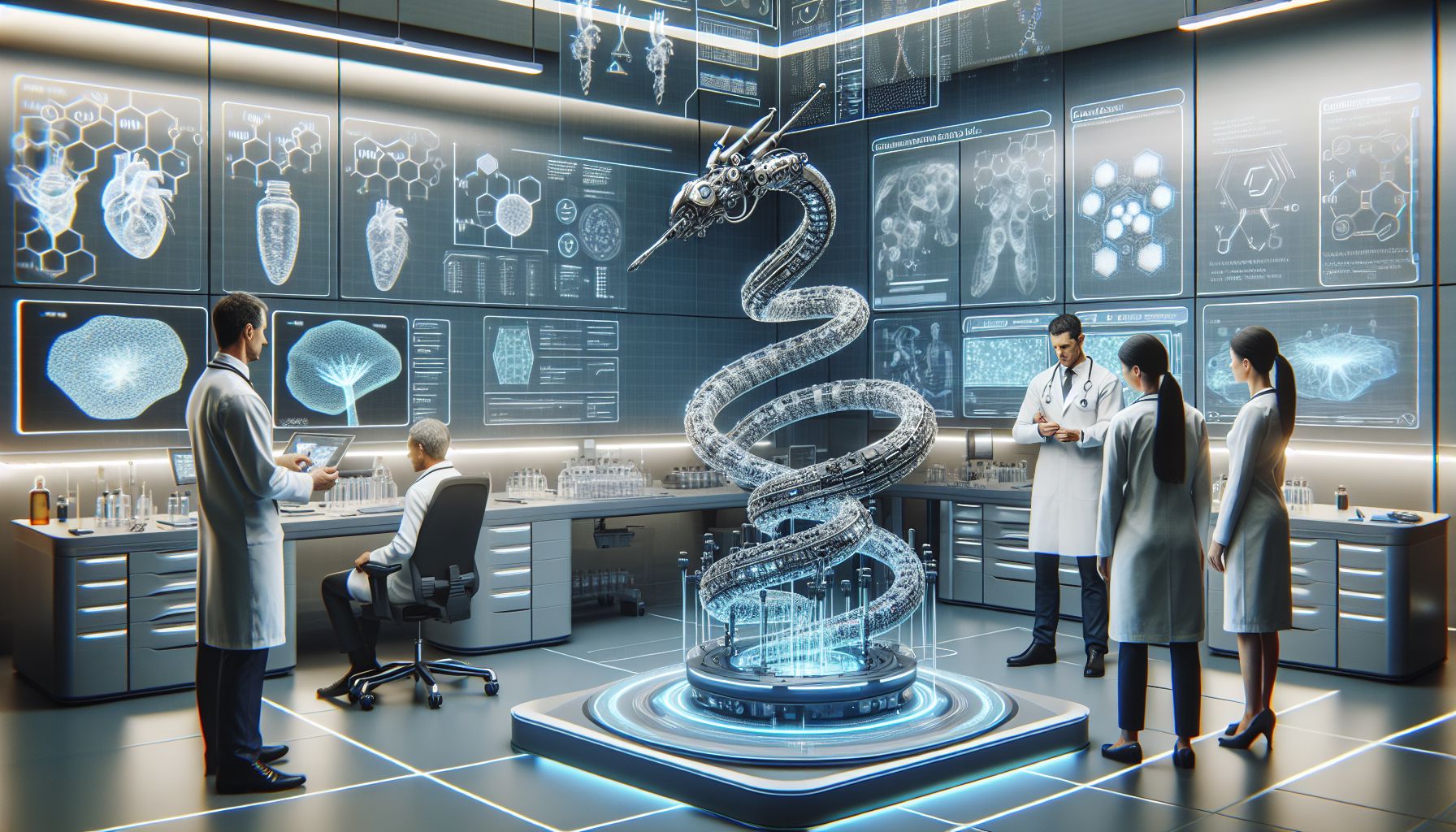

The Intersection of Technology and Pharmaceuticals
In today’s rapidly advancing world, technological innovations have been transforming every industry, including the pharmaceutical sector. These advancements are changing the way drugs are developed, tested, manufactured, and even marketed to consumers. The integration of technology into pharmaceutical products has opened up endless possibilities for improving healthcare outcomes and patient experiences.
One of the most significant ways in which technology is revolutionizing the pharmaceutical industry is through the use of artificial intelligence (AI). AI algorithms are being utilized to analyze vast amounts of data to identify potential drug candidates more efficiently. This has significantly sped up the drug discovery process, which traditionally takes many years and billions of dollars to bring a new drug to market. With AI, researchers can now predict how a drug will behave in the human body without the need for lengthy and costly experiments.
Another significant advancement in the pharmaceutical industry is the use of 3D printing technology. This innovation allows for the manufacturing of personalized medicines tailored to individual patients’ needs. 3D-printed pills can be customized in terms of dosage, release rate, and even shape, making it easier for patients to adhere to their medication regimens. This technology has the potential to revolutionize the way drugs are manufactured and prescribed, leading to more effective treatments and better patient outcomes.
Additionally, the Internet of Things (IoT) has enabled the development of smart medical devices that can monitor patients’ health in real-time. These connected devices can collect and transmit valuable data to healthcare providers, allowing for more personalized and timely interventions. For example, smart inhalers for asthma patients can track medication usage and provide feedback on proper inhaler technique, ultimately improving treatment effectiveness.
Furthermore, blockchain technology is being explored in the pharmaceutical industry to enhance supply chain transparency and combat counterfeit drugs. By implementing blockchain-based systems, pharmaceutical companies can track the entire journey of a drug from manufacturing to consumption, ensuring its authenticity and safety. This technology can help prevent the distribution of fake or substandard medications, ultimately protecting patient health.
In conclusion, the integration of technology into pharmaceutical products is driving innovation and transforming the way healthcare is delivered. From AI-powered drug discovery to 3D-printed personalized medicines and IoT-enabled medical devices, these advancements are shaping the future of medicine. By embracing these technological innovations, the pharmaceutical industry can continue to improve patient outcomes and enhance the overall healthcare experience. The possibilities are endless, and the potential for positive impact is immense.
Comments are Disabled