The Intersection of Technology and Pharmaceutical Products
In today’s fast-paced world, technology is advancing at an unprecedented rate. From artificial intelligence to virtual reality, new technologies are constantly emerging and reshaping the way we live our lives. One industry that is particularly benefiting from these advancements is the pharmaceutical industry.
Pharmaceutical companies are increasingly leveraging technology to develop and improve their products. One of the most significant ways in which technology is impacting the pharmaceutical industry is through the use of data analytics. By analyzing vast amounts of data, pharmaceutical companies are able to identify trends, patterns, and insights that can help them develop more effective drugs and treatments.
In addition to data analytics, technologies such as artificial intelligence and machine learning are also playing a crucial role in drug discovery. These technologies can analyze complex biological and chemical data to identify potential drug candidates much more quickly than traditional methods. This has the potential to greatly accelerate the drug development process, ultimately leading to faster and more efficient treatments for patients.
Another way in which technology is influencing pharmaceutical products is through the use of personalized medicine. By leveraging technologies such as genomics and biotechnology, pharmaceutical companies are able to develop drugs that are tailored to an individual’s genetic makeup. This personalized approach to medicine has the potential to revolutionize healthcare by improving treatment outcomes and reducing side effects.
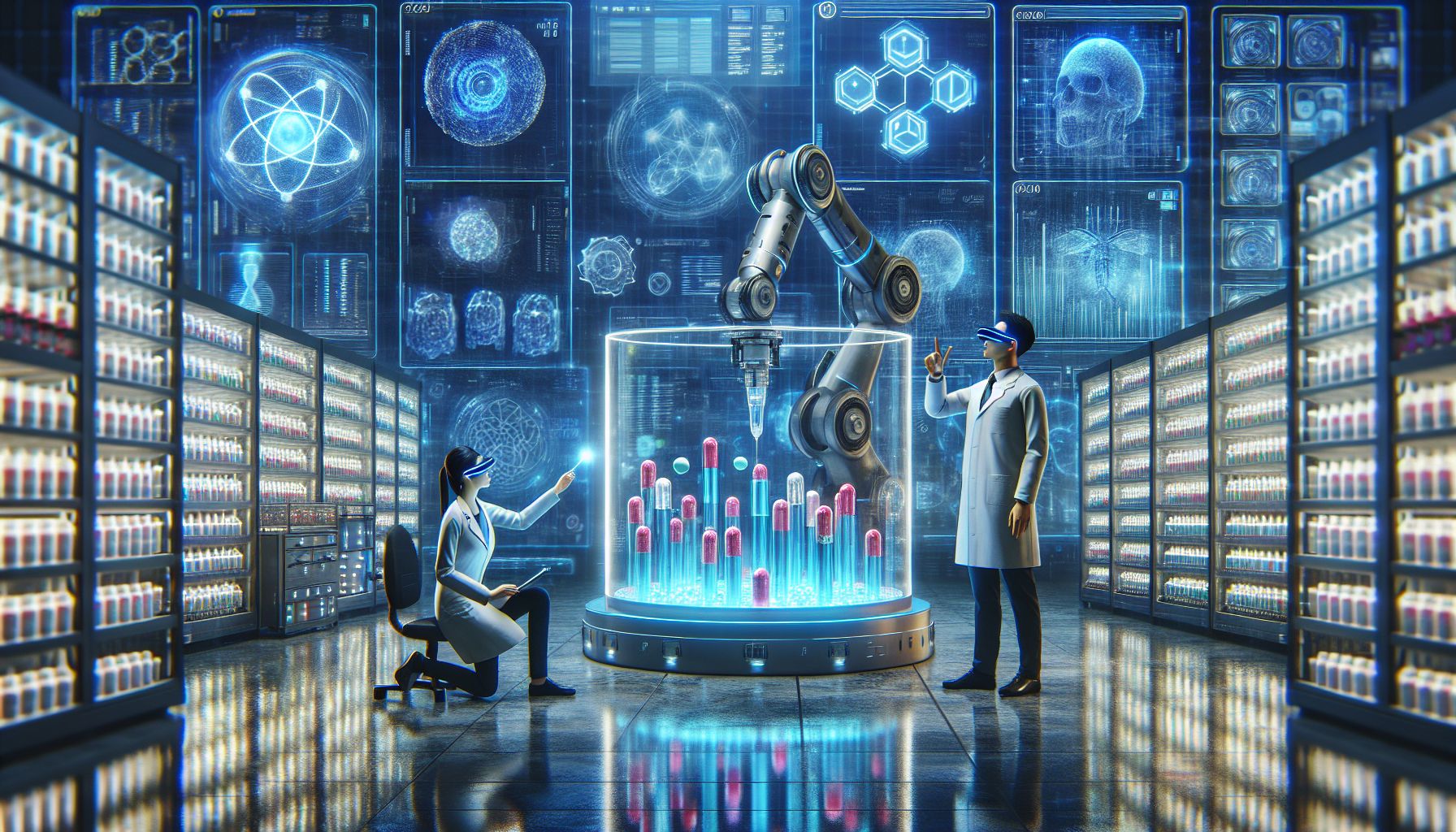
Furthermore, technology is also helping pharmaceutical companies improve the way they manufacture and distribute drugs. For example, the use of automation and robotics in manufacturing processes is increasing efficiency and reducing costs. Additionally, technologies such as blockchain are being used to track and authenticate the supply chain of pharmaceutical products, ensuring that they are safe and authentic.
Despite the many benefits that technology brings to the pharmaceutical industry, there are also challenges that need to be addressed. Issues such as data privacy and security, regulatory concerns, and the ethical implications of using artificial intelligence in drug discovery are all important considerations that need to be carefully navigated.
In conclusion, the intersection of technology and pharmaceutical products holds great promise for the future of healthcare. By leveraging the power of data analytics, artificial intelligence, and personalized medicine, pharmaceutical companies are able to develop more effective drugs, improve treatment outcomes, and ultimately enhance the quality of life for patients. As technology continues to advance, it will be exciting to see how it will continue to shape the future of pharmaceutical products.
Comments are Disabled