The Intersection of Technology and Pharmaceutical Products
In today’s fast-paced world, technology plays a crucial role in almost every industry, and the pharmaceutical sector is no exception. The integration of technology into the development and manufacturing of pharmaceutical products has revolutionized the way drugs are developed, tested, and delivered to patients. The use of various technologies has not only made the process more efficient but has also significantly improved the quality and safety of pharmaceutical products.
One of the key ways in which technology has transformed the pharmaceutical industry is through the use of data analytics. By analyzing large datasets, researchers can identify potential drug candidates more quickly and accurately than ever before. This has led to the development of personalized medicine, where treatments can be tailored to individual patients based on their genetic makeup, lifestyle, and other factors. Data analytics has also improved clinical trials by allowing researchers to better predict the efficacy and safety of new drugs, ultimately speeding up the approval process.
Another technological advancement that has had a profound impact on the pharmaceutical industry is artificial intelligence (AI). AI-powered algorithms can sift through vast amounts of data to identify patterns and trends that would be impossible for humans to discern. This has led to the development of more precise drug delivery systems, improved patient monitoring tools, and enhanced diagnostic methods. AI has also enabled researchers to predict potential side effects of new drugs more accurately, leading to safer pharmaceutical products.
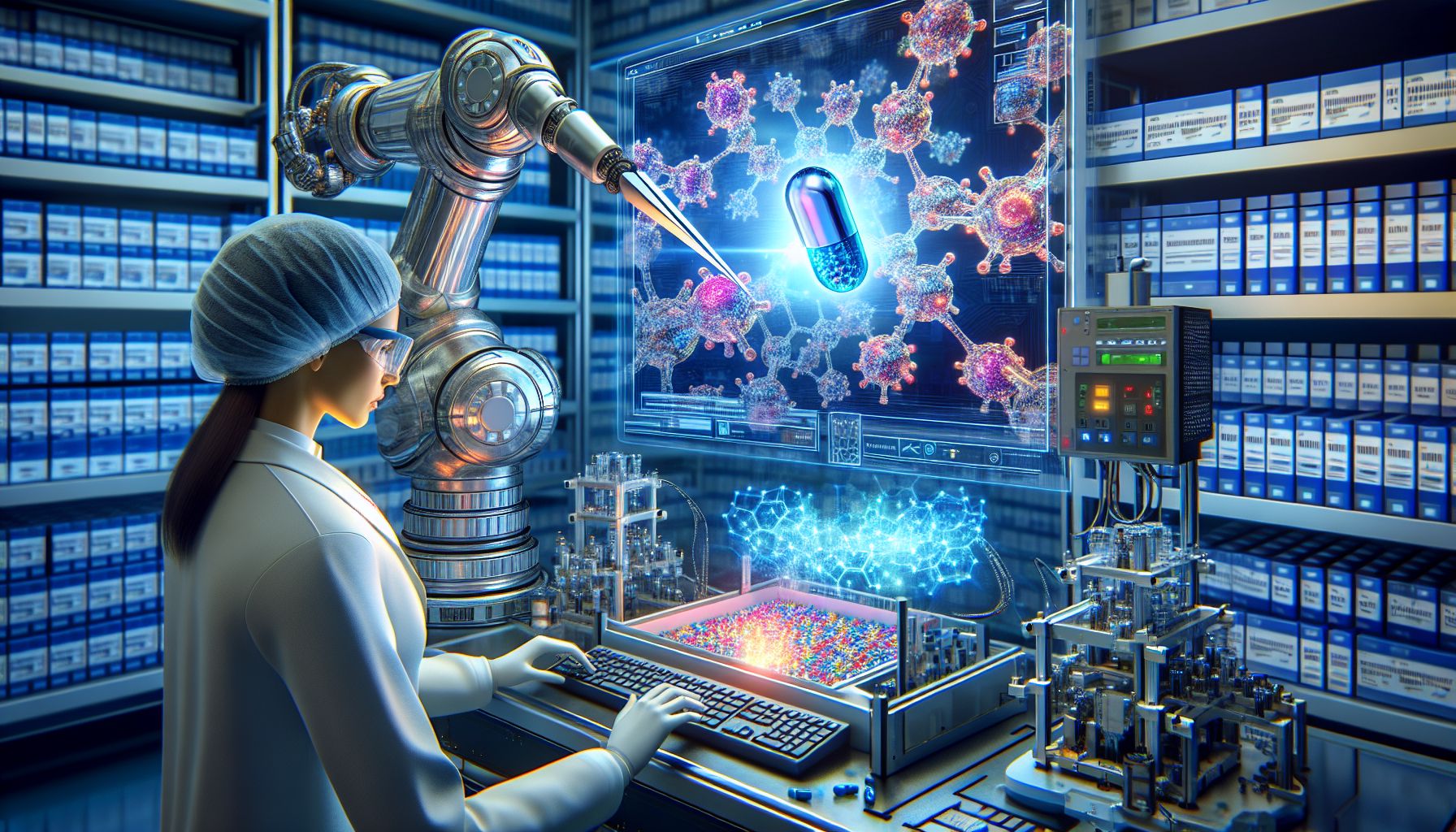
In addition to data analytics and AI, technology has also revolutionized the manufacturing processes of pharmaceutical products. Automation and robotics have increased the speed and efficiency of production, while also reducing the risk of human error. 3D printing technology has enabled the creation of complex drug delivery systems that were previously impossible to manufacture. Nanotechnology has allowed for the development of targeted drug delivery systems that can deliver medication directly to affected cells, minimizing side effects.
In conclusion, the integration of technology into the pharmaceutical industry has brought about significant advancements in drug development, testing, and manufacturing. These technological innovations have not only improved the efficiency and speed of the process but have also led to safer and more effective pharmaceutical products. As technology continues to evolve, we can expect even more groundbreaking developments in the field of pharmaceuticals, ultimately leading to better outcomes for patients around the world.
Comments are Disabled