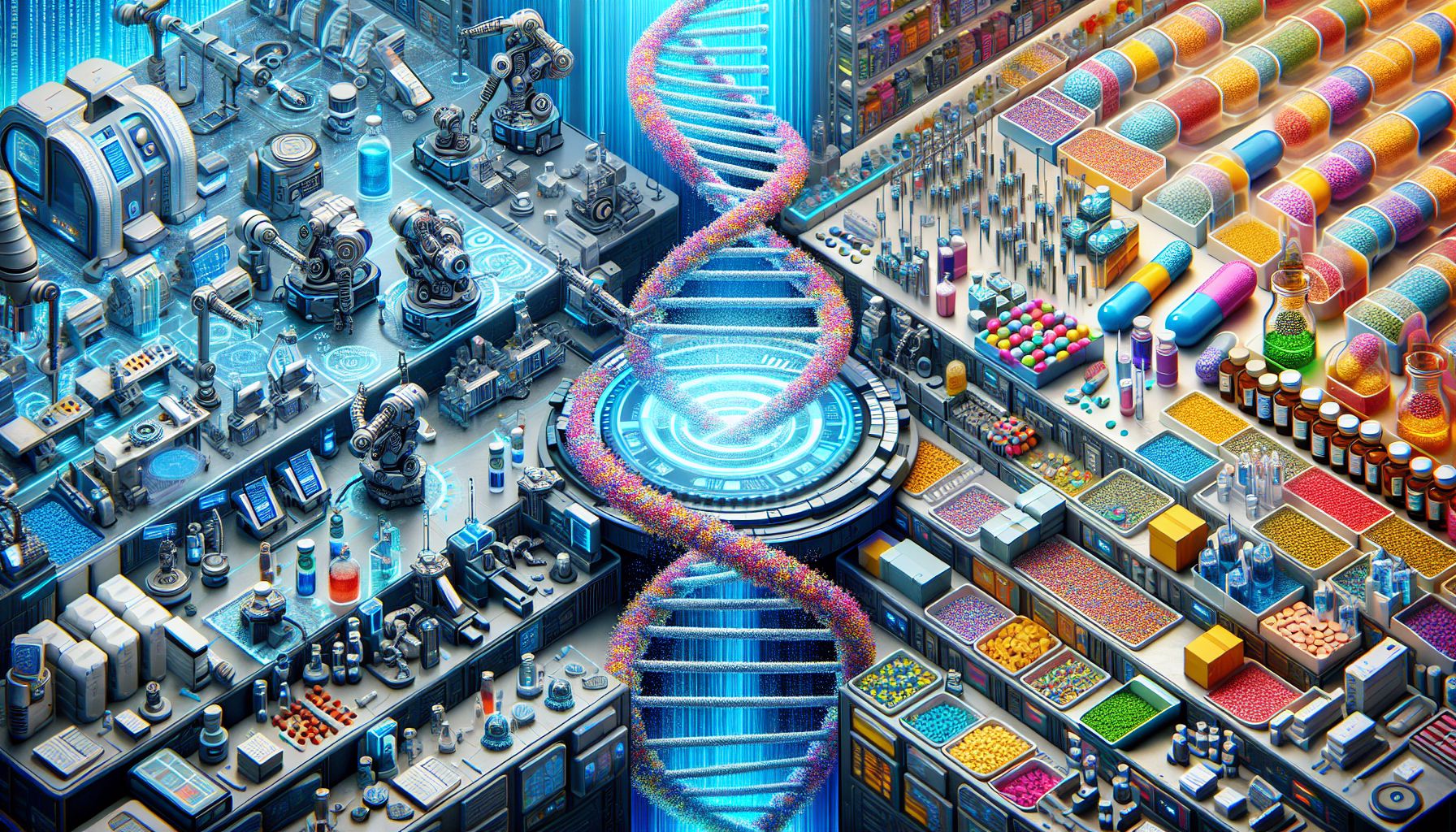
The Intersection of Technology and Pharmaceutical Products
Technology has revolutionized nearly every aspect of our lives, and the pharmaceutical industry is no exception. The integration of technology into the development, production, and distribution of pharmaceutical products has led to significant advancements in healthcare and medicine.
Pharmaceutical companies are increasingly relying on technology to streamline the drug development process. High throughput screening, virtual drug trials, and computer modeling are just a few examples of how technology is helping to expedite the discovery and development of new drugs. These technologies not only save time and money, but also allow for more personalized and targeted treatments for patients.
Additionally, technology is playing a crucial role in manufacturing pharmaceutical products. Automation, robotics, and artificial intelligence are being used to improve efficiency and quality control in production facilities. This not only leads to a more consistent and reliable product, but also helps to reduce the risk of human error in the manufacturing process.
Furthermore, technology is transforming the way pharmaceutical products are distributed and administered. From electronic medical records to telemedicine platforms, patients now have greater access to healthcare services and information than ever before. This has the potential to improve patient outcomes and increase medication adherence.
One of the most exciting advancements in technology and pharmaceutical products is the rise of digital therapeutics. These are software-based interventions that are designed to treat medical conditions, often in conjunction with traditional pharmaceuticals. Digital therapeutics have the potential to revolutionize the way we manage and treat chronic diseases such as diabetes, hypertension, and mental health disorders.
Despite the many benefits of technology in the pharmaceutical industry, there are also challenges and concerns that need to be addressed. Issues such as data privacy, cybersecurity, and regulatory compliance must be carefully managed to ensure the safety and efficacy of pharmaceutical products.
In conclusion, the intersection of technology and pharmaceutical products has the potential to transform healthcare and improve patient outcomes. By embracing and leveraging technological advancements, pharmaceutical companies can accelerate the development of new drugs, enhance manufacturing processes, and revolutionize the way we deliver healthcare services. As technology continues to evolve, the possibilities for innovation in the pharmaceutical industry are limitless.
Comments are Disabled