The Intersection of Technology and Pharmaceutical Products
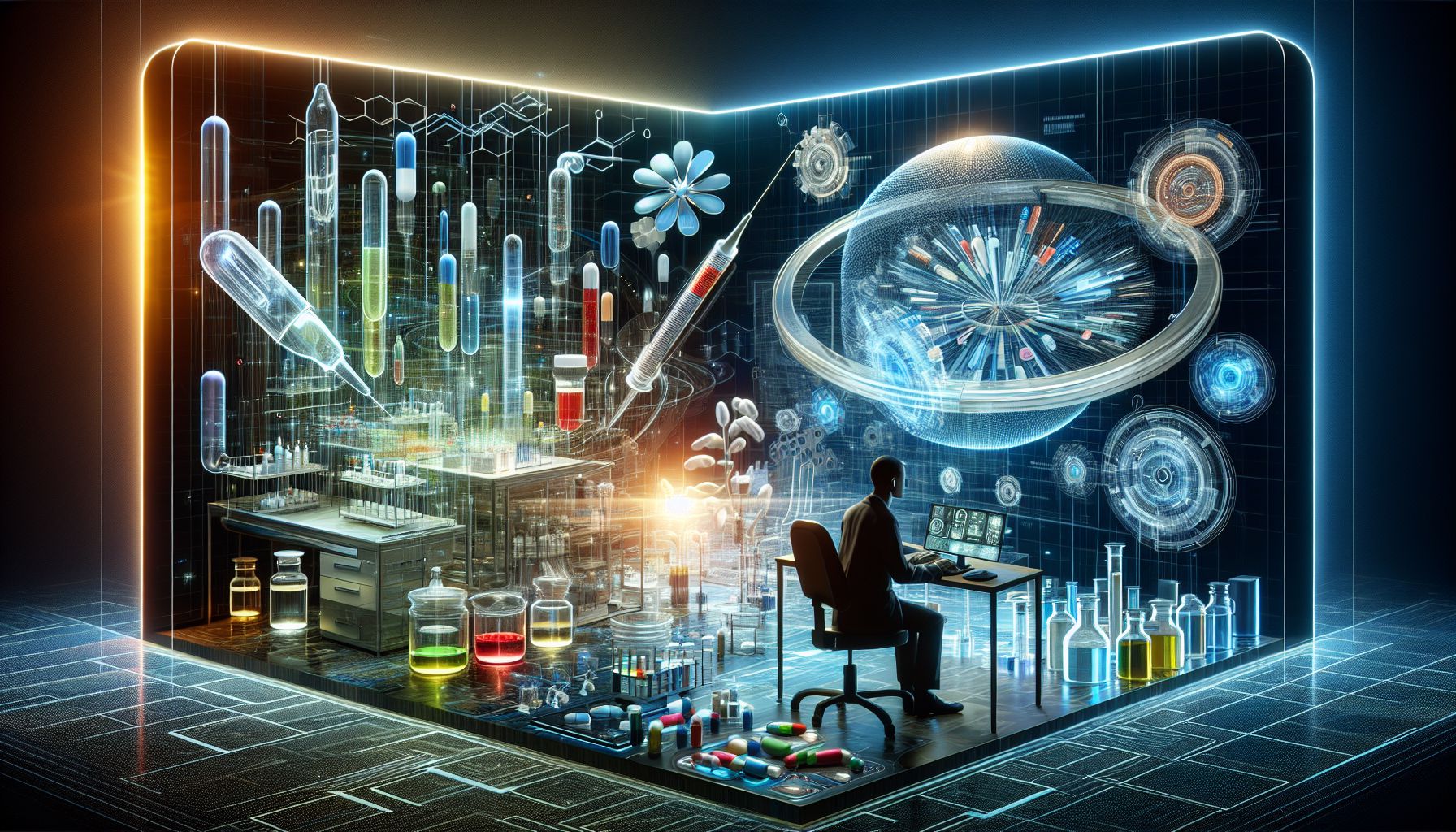
In today’s fast-paced world, technology plays a crucial role in virtually every aspect of our lives – including the pharmaceutical industry. The use of technology in the development and production of pharmaceutical products has revolutionized the way medicines are created, tested, and distributed. From advanced data analytics to 3D printing, the integration of technology has significantly impacted the efficiency, quality, and accessibility of pharmaceutical products.
One of the key ways technology has improved the pharmaceutical industry is through the use of big data analytics. By analyzing vast amounts of data, researchers can identify trends, patterns, and correlations that would be nearly impossible to detect by traditional means. This allows for more targeted drug development, personalized medicine, and improved patient outcomes. Additionally, the use of predictive analytics can help pharmaceutical companies anticipate demand, optimize supply chains, and reduce waste – ultimately leading to cost savings and increased efficiency.
Advances in technology have also revolutionized the way pharmaceutical products are manufactured. 3D printing, for example, allows for the creation of complex drug delivery systems, personalized medicines, and even human tissues for testing. This technology has the potential to streamline the production process, reduce costs, and improve the quality and effectiveness of pharmaceutical products. Additionally, the use of automation and robotics in manufacturing facilities has made production faster, more precise, and safer for workers.
Another area where technology has had a significant impact on the pharmaceutical industry is in the realm of telemedicine and telehealth. With the rise of smartphones, wearable devices, and virtual reality technology, patients now have unprecedented access to healthcare services from the comfort of their own homes. This has revolutionized the way patients interact with healthcare providers, obtain prescriptions, and monitor their health – making healthcare more convenient, efficient, and cost-effective.
In conclusion, the integration of technology into the pharmaceutical industry has transformed the way medicines are developed, tested, and distributed. From big data analytics to 3D printing, technology has revolutionized every aspect of the pharmaceutical supply chain – leading to more personalized medicines, improved patient outcomes, and reduced costs. As technology continues to evolve, we can expect even greater innovations in the pharmaceutical industry that will ultimately benefit patients around the world.
Comments are Disabled