Advancements in Technology and Pharmaceutical Products
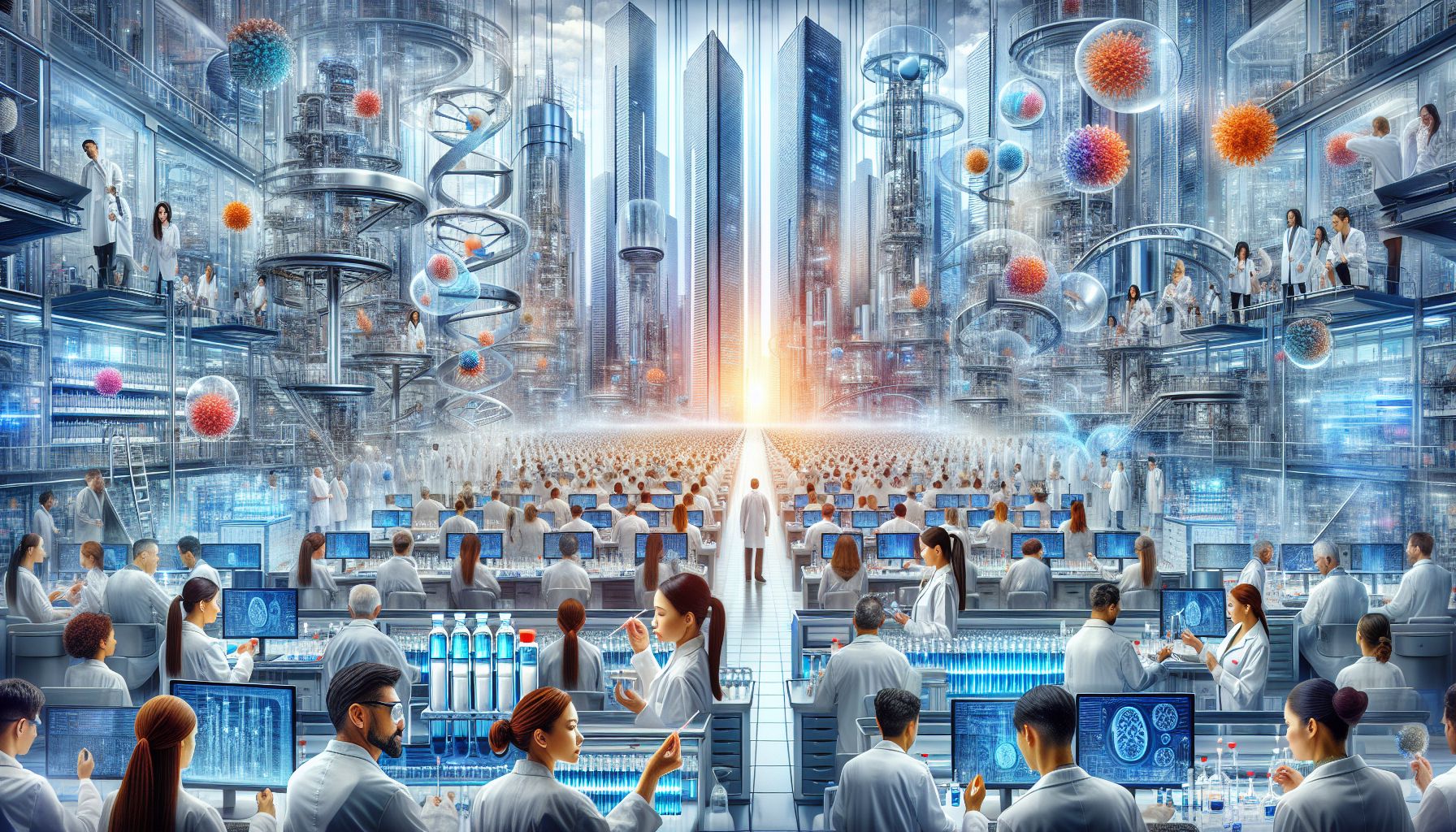
In recent years, the intersection of technology and pharmaceutical products has led to groundbreaking advancements in healthcare. From drug development to patient care, the integration of cutting-edge technologies has revolutionized the way we approach treatment and medicine. In this blog post, we will explore some of the key ways in which technology has transformed the pharmaceutical industry.
One of the most significant contributions of technology to the pharmaceutical sector is in the realm of drug discovery and development. With the advent of high-throughput screening techniques, bioinformatics, and artificial intelligence, researchers are now able to identify and design potential drug candidates with greater precision and efficiency than ever before. This has led to the rapid development of new drugs for a wide range of diseases, from cancer to rare genetic disorders.
Furthermore, the use of technology in the manufacturing process has improved the quality and safety of pharmaceutical products. Automation and robotics have enabled pharmaceutical companies to produce medications at a faster rate and with more consistency, reducing the likelihood of errors or contamination. Additionally, advanced tracking and monitoring systems have enhanced traceability throughout the supply chain, ensuring that medications are safe and reliable from production to distribution.
In the realm of patient care, technology has also played a crucial role in improving outcomes and enhancing the overall healthcare experience. Telemedicine platforms have made it easier for patients to access medical professionals remotely, reducing the need for in-person visits and streamlining the delivery of care. Wearable devices and smartphone apps have enabled patients to monitor their health metrics in real-time, empowering them to take a proactive approach to their well-being.
Looking ahead, the future of technology and pharmaceutical products promises even more exciting possibilities. The rise of personalized medicine, driven by advances in genomics and data analytics, holds the potential to tailor treatments to individual patients based on their genetic makeup and lifestyle factors. Meanwhile, the development of novel drug delivery systems, such as nanotechnology and implantable devices, could revolutionize the way medications are administered and absorbed in the body.
In conclusion, the integration of technology into the pharmaceutical industry has had a transformative impact on drug discovery, manufacturing, and patient care. As we continue to push the boundaries of innovation, we can expect to see even more groundbreaking advancements that will improve the efficacy, safety, and accessibility of pharmaceutical products for individuals around the world.
Comments are Disabled