The Intersection of Technology and Pharmaceutical Products
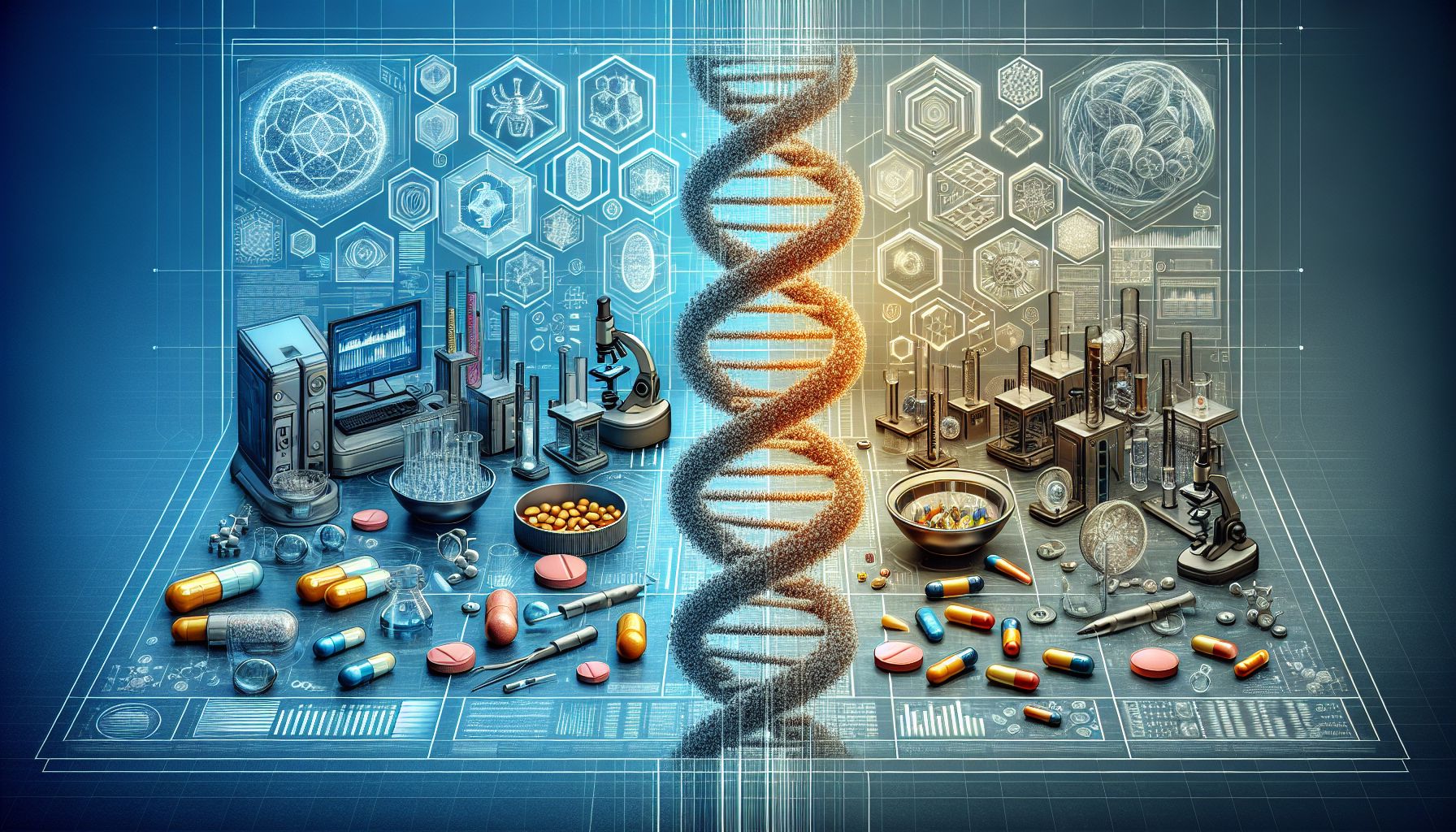
In today’s fast-paced world, technology plays a critical role in almost every industry, including pharmaceuticals. The advancement of technology has revolutionized the way pharmaceutical products are developed, produced, and distributed. This intersection of technology and pharmaceutical products has led to significant improvements in the quality and effectiveness of medications, ultimately benefiting patients worldwide.
One of the most evident impacts of technology on pharmaceutical products is in the development and research processes. With the help of sophisticated computer algorithms and modeling software, researchers can now analyze vast amounts of data to identify potential drug candidates faster and more efficiently than ever before. This has drastically reduced the time and resources required to bring new medications to market, allowing pharmaceutical companies to innovate at a quicker pace.
Furthermore, technology has also played a crucial role in the manufacturing of pharmaceutical products. Automation and robotics have transformed the production process, leading to increased accuracy and consistency in drug manufacturing. This not only ensures that medications meet strict quality control standards but also helps to minimize the risk of errors and contamination during production.
In addition, technology has improved the distribution and delivery of pharmaceutical products to patients. The rise of e-commerce and telemedicine platforms has made it easier for individuals to access medications from the comfort of their own homes. This convenience has proven to be especially beneficial for patients with chronic conditions or mobility issues, who may have difficulty visiting a physical pharmacy.
Moreover, advancements in technology have also paved the way for personalized medicine, where medications are tailored to an individual’s genetic makeup and specific health needs. This approach allows for more precise and effective treatments, ultimately leading to improved patient outcomes and reduced side effects.
While the integration of technology in the pharmaceutical industry has brought about numerous benefits, it also poses some challenges. For instance, the increasing reliance on technology has raised concerns about data privacy and security, particularly when it comes to storing sensitive patient information. Additionally, the high costs associated with implementing and maintaining technological systems can be a barrier for smaller pharmaceutical companies looking to innovate in this space.
In conclusion, the intersection of technology and pharmaceutical products continues to reshape the landscape of healthcare, offering new possibilities for improving patient care and treatment outcomes. As technology continues to evolve, we can expect to see even more exciting innovations in the field of pharmaceuticals, ultimately leading to a brighter and healthier future for all.
With the advancement of technology, the pharmaceutical industry has experienced significant improvements in drug development, manufacturing, and distribution processes. This blog post explores the impact of technology on pharmaceutical products, highlighting the benefits and challenges that come with this intersection.
Comments are Disabled