The Intersection of Technology and Pharmaceutical Products
In today’s fast-paced world, technology plays a crucial role in almost every aspect of our lives. From communication to entertainment, transportation to healthcare, technology has revolutionized the way we live and work. One industry that has been significantly impacted by technological advancements is the pharmaceutical industry.
The development and manufacturing of pharmaceutical products have always been complex and time-consuming processes. However, with the help of technology, pharmaceutical companies are now able to streamline their operations and bring new drugs to market more quickly and efficiently.
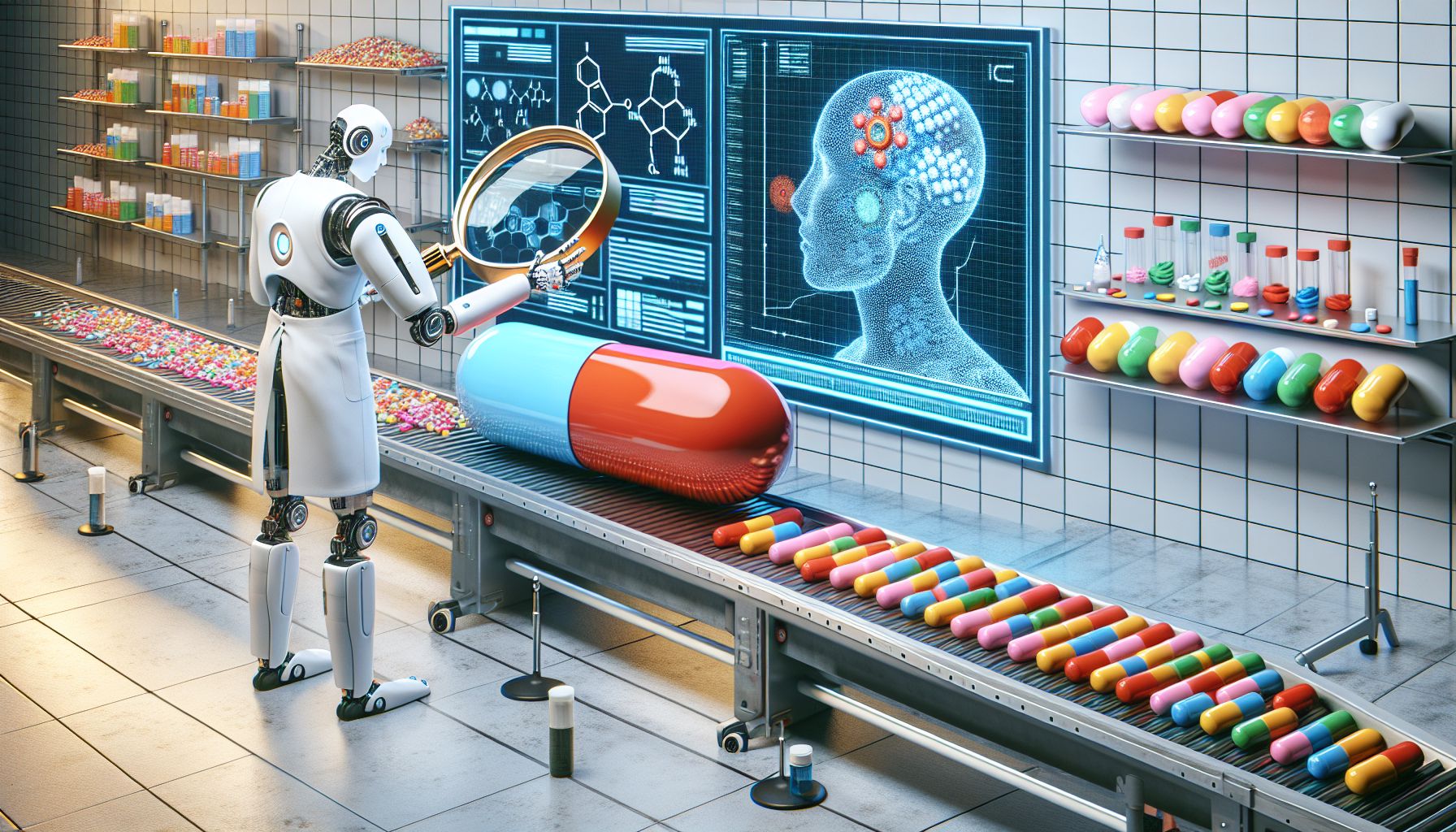
One of the key ways technology has improved the pharmaceutical industry is through the use of data analytics and artificial intelligence. These tools allow researchers to analyze vast amounts of data to identify potential drug candidates, predict how those drugs will interact with the human body, and even simulate clinical trials. This not only speeds up the drug development process but also reduces the risk of failure, ultimately leading to better and safer treatments for patients.
In addition to data analytics, technology has also revolutionized drug manufacturing. Advanced robotics and automation systems can now be used to produce pharmaceutical products with greater precision and consistency than ever before. This not only increases the efficiency of manufacturing processes but also ensures that each dose of medication is of the highest quality.
Furthermore, technology has also improved the way pharmaceutical products are distributed and administered. For example, the development of smart packaging and labeling systems allows patients to easily track their medication usage and receive reminders when it’s time to take their next dose. Additionally, innovative drug delivery systems, such as transdermal patches and implantable devices, provide patients with more convenient and effective ways to receive their treatments.
Overall, the intersection of technology and pharmaceutical products has had a profound impact on the industry, from drug discovery to manufacturing to distribution. These technological advancements have not only accelerated the development of new medications but have also improved the quality and accessibility of healthcare for patients around the world.
In conclusion, as technology continues to advance, so too will the capabilities of the pharmaceutical industry. By harnessing the power of data analytics, artificial intelligence, robotics, and other innovative technologies, pharmaceutical companies will be able to develop safer, more effective drugs and deliver them to patients in a more efficient and personalized manner. The future of healthcare is sure to be shaped by the ongoing collaboration between technology and pharmaceutical products.
Comments are Disabled