The Intersection of Technology and Pharmaceutical Products
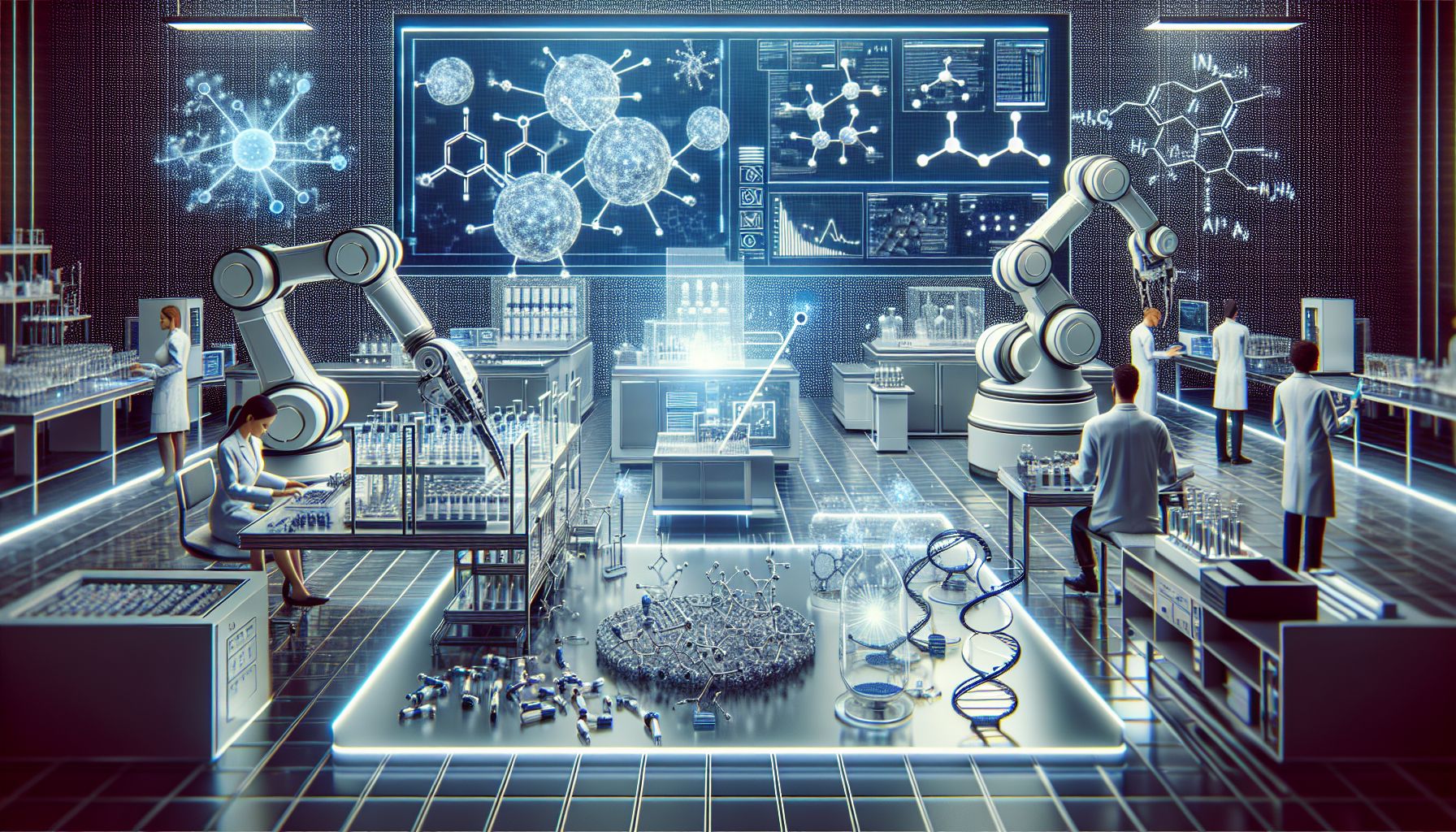
Technology has significantly impacted the pharmaceutical industry in recent years, leading to groundbreaking advancements in the development, manufacturing, and distribution of medicine. From artificial intelligence and machine learning to 3D printing and blockchain, the integration of technology has revolutionized how pharmaceutical products are created and delivered to patients around the world.
One of the most significant ways technology has transformed the pharmaceutical industry is through the use of artificial intelligence (AI) and machine learning. These technologies allow researchers to analyze massive amounts of data quickly and efficiently, helping to identify potential drug candidates and predict how they will interact with the human body. This has significantly shortened the drug discovery process, leading to the development of new treatments for a wide range of diseases.
Another area where technology has made a substantial impact is in the manufacturing of pharmaceutical products. 3D printing, for example, has enabled the production of personalized medicine that is tailored to an individual’s specific needs. This has the potential to not only make treatments more effective but also reduce waste and cost in the manufacturing process.
Furthermore, blockchain technology is being increasingly used to improve the transparency and security of the pharmaceutical supply chain. By recording every step of a drug’s journey from the manufacturer to the patient, blockchain technology can help to prevent counterfeit products from entering the market and ensure that patients are receiving genuine, high-quality medications.
These technological advancements have not only improved the development and manufacturing of pharmaceutical products but also have enhanced the way these products are distributed to patients. Telemedicine, for example, has made it easier for patients to consult with healthcare providers and receive prescriptions without having to leave their homes. This has been particularly beneficial during the COVID-19 pandemic when in-person visits were limited.
In conclusion, the integration of technology into the pharmaceutical industry has brought about numerous benefits for researchers, manufacturers, healthcare providers, and patients alike. From AI and machine learning to 3D printing and blockchain, these advancements have not only accelerated the drug discovery process but also improved the quality and accessibility of pharmaceutical products. As technology continues to evolve, we can expect even more transformative changes in the way medicine is developed, manufactured, and distributed in the future.
Comments are Disabled