The Intersection of Technology and Pharmaceutical Products
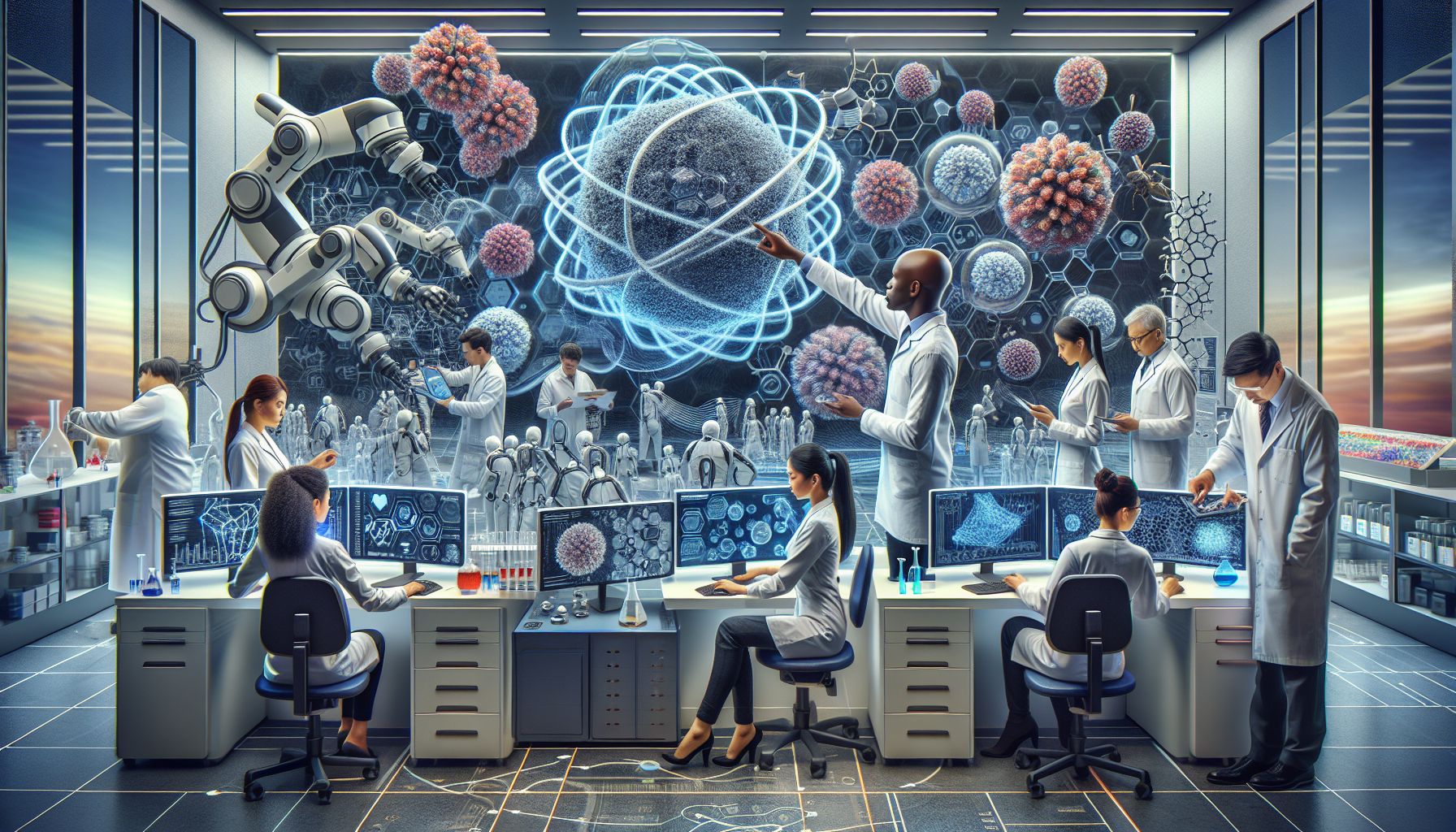
In today’s rapidly evolving world, the intersection of technology and pharmaceutical products is becoming increasingly prevalent. With advancements in fields such as artificial intelligence, data analytics, and robotics, the pharmaceutical industry is leveraging technology to enhance research and development, improve patient outcomes, and streamline manufacturing processes.
One of the key areas where technology is making a significant impact in pharmaceutical products is in drug discovery. Traditional drug discovery processes can be time-consuming and costly, often taking years to bring a new drug to market. However, with the use of technologies such as artificial intelligence and machine learning, researchers can now sift through vast amounts of data to identify potential drug candidates more efficiently. These technologies can analyze large datasets to predict the effectiveness of certain compounds, ultimately speeding up the drug discovery process.
Additionally, technology is playing a crucial role in personalized medicine, where treatments are tailored to the specific genetic makeup of a patient. Advancements in genetic sequencing and bioinformatics have allowed researchers to identify biomarkers that can predict a patient’s response to a particular drug. This has the potential to revolutionize treatment strategies and improve patient outcomes by providing more targeted and effective therapies.
Moreover, the use of technology in pharmaceutical manufacturing is also transforming the industry. Automation and robotics are being utilized to increase the efficiency and reliability of production processes, reducing the risk of errors and contamination. In addition, technologies such as data analytics and the Internet of Things are enabling real-time monitoring of manufacturing operations, allowing for better quality control and optimization of processes.
While the integration of technology into pharmaceutical products has countless benefits, it also presents challenges. Issues such as data privacy, regulatory compliance, and cybersecurity must be carefully managed to ensure the safety and security of patients’ information and the integrity of the products being developed.
In conclusion, the intersection of technology and pharmaceutical products represents a new frontier in the healthcare industry, with the potential to revolutionize drug discovery, personalized medicine, and manufacturing processes. As technology continues to advance, it is important for pharmaceutical companies to embrace innovation and utilize these tools to drive progress and improve patient care. By harnessing the power of technology, the future of pharmaceutical products looks promising, with the potential to bring about new therapies and treatments that could transform the lives of patients around the world.
Comments are Disabled