Evolving Intersection: Technology and Pharmaceutical Products
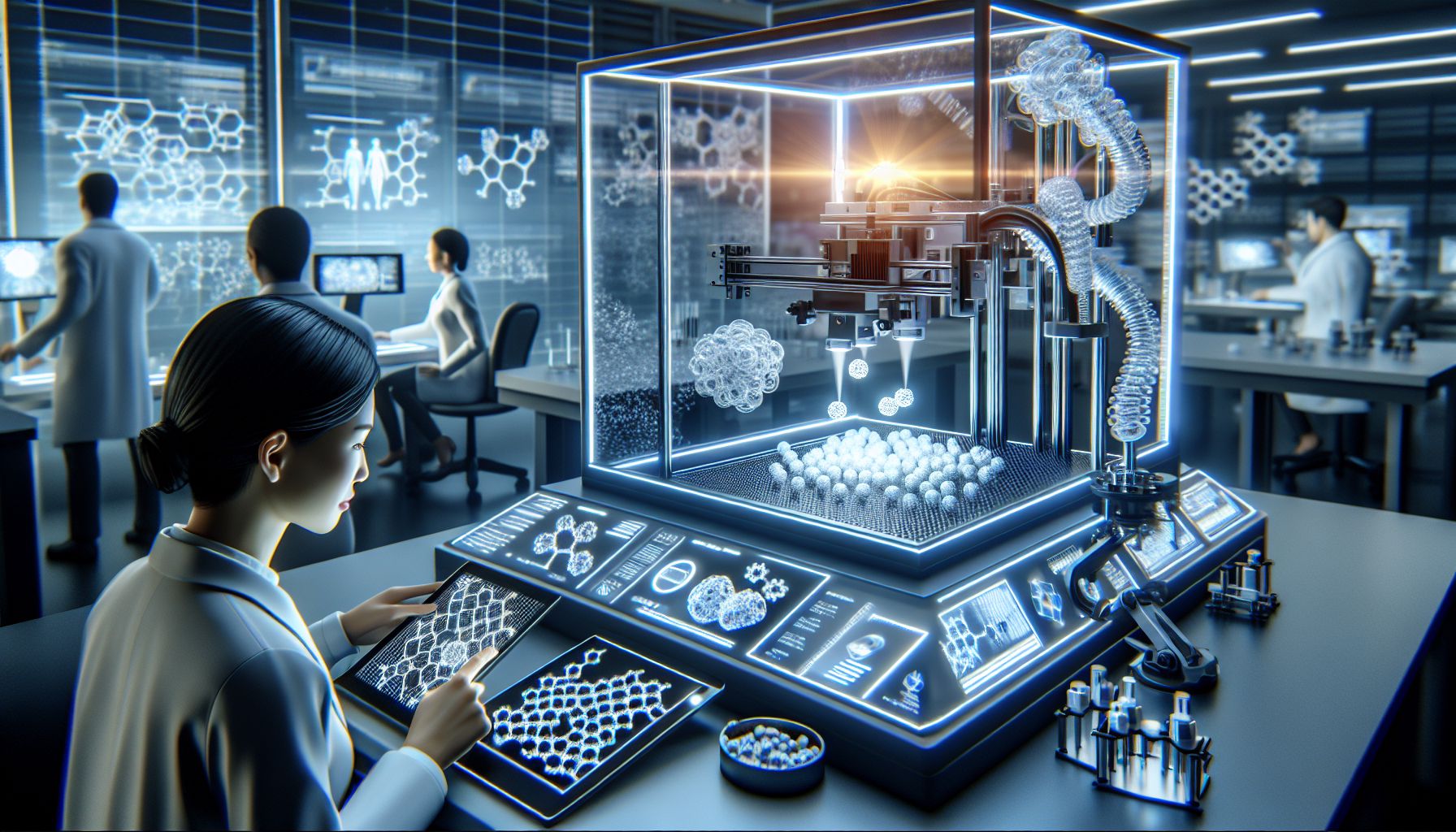
In recent years, the intersection between technology and pharmaceutical products has been rapidly evolving, leading to groundbreaking advancements in the healthcare industry. From the development of innovative drug delivery systems to the use of artificial intelligence in drug discovery, the synergy between technology and pharmaceuticals has the potential to revolutionize the way we approach healthcare.
One of the key areas where technology has significantly impacted pharmaceutical products is in drug research and development. With the rise of computational biology and artificial intelligence, researchers are now able to analyze massive amounts of data to identify potential drug targets and develop new therapeutic compounds. This has led to the acceleration of drug discovery timelines and the introduction of more effective and targeted treatments for a wide range of diseases.
Another area where technology has made a profound impact is in drug delivery systems. Advances in nanotechnology and microfabrication have enabled the development of novel drug delivery platforms that can precisely control the release of drugs in the body. These systems not only improve the efficacy and safety of drug treatments but also enhance patient compliance by offering more convenient and personalized dosing regimens.
Furthermore, technology has also played a crucial role in improving patient outcomes and healthcare efficiency. The widespread adoption of electronic health records, telemedicine, and wearable devices has enabled healthcare providers to monitor patient health in real-time, optimize treatment plans, and provide personalized care. This integration of technology into healthcare delivery has the potential to reduce healthcare costs, improve patient outcomes, and enhance overall healthcare quality.
Despite the numerous benefits that technology brings to pharmaceutical products, there are also challenges that need to be addressed. Data privacy and security concerns, regulatory hurdles, and the high cost of implementing new technologies are some of the barriers that pharmaceutical companies face when integrating technology into their products. However, with continued innovation and collaboration between the technology and pharmaceutical industries, these challenges can be overcome, leading to a more interconnected and efficient healthcare system.
In conclusion, the intersection between technology and pharmaceutical products holds immense promise for the future of healthcare. By leveraging the power of technology in drug research, development, delivery, and patient care, we can drive towards more effective and personalized treatments, improved patient outcomes, and a more sustainable healthcare system. As we continue to embrace the potential of technology in pharmaceuticals, we are likely to see even more groundbreaking advancements that will redefine the way we approach healthcare.
Comments are Disabled