The Intersection of Technology and Pharmaceutical Products
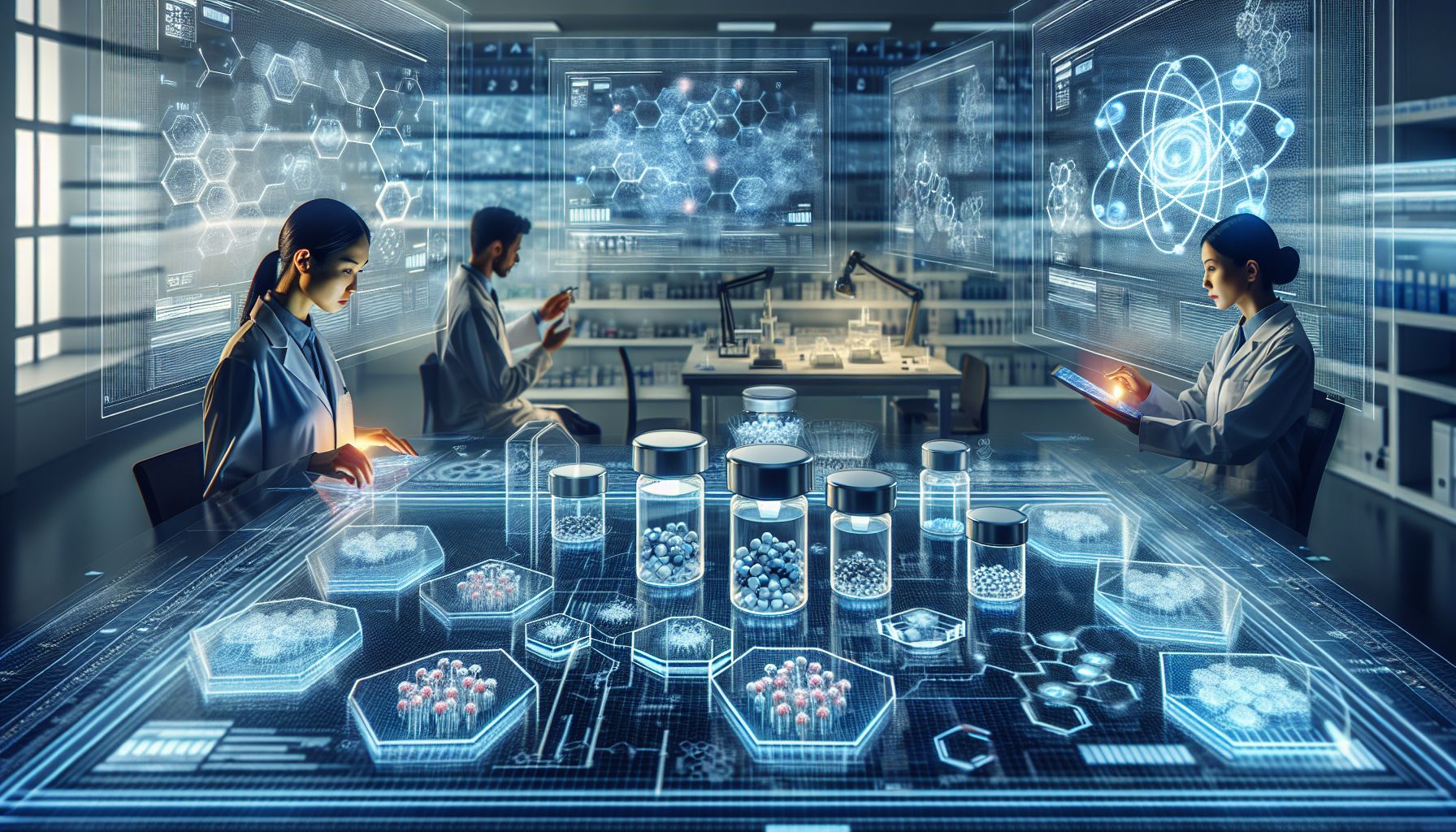
In recent years, the pharmaceutical industry has seen a significant shift towards incorporating technology into the development and production of new drugs. From advanced analytics and artificial intelligence to 3D printing and virtual reality, technology is playing a crucial role in revolutionizing the way pharmaceutical products are researched, manufactured, and distributed.
One key area where technology is making a big impact is in drug discovery. Traditionally, the process of identifying and developing new drugs was a time-consuming and costly endeavor. However, with the help of advanced computing power and machine learning algorithms, researchers are now able to analyze vast amounts of data and predict potential drug candidates more efficiently than ever before. This has led to a significant increase in the number of new drug approvals and has accelerated the timeline for bringing new treatments to market.
In addition to drug discovery, technology is also being used to improve the manufacturing processes for pharmaceutical products. Advanced robotics and automation have made it possible to produce drugs in a more precise and efficient manner, reducing the likelihood of errors and contamination. Furthermore, technologies such as 3D printing are allowing for the creation of personalized medications tailored to individual patient needs, revolutionizing the way drugs are administered.
Another area where technology is making a big impact is in the distribution and monitoring of pharmaceutical products. Blockchain technology, for example, is being used to track the supply chain of medications, ensuring that they are not counterfeit or tampered with. Additionally, the rise of telemedicine and wearable devices has made it easier for patients to track their adherence to medication regimens and communicate with healthcare providers remotely.
While the incorporation of technology into pharmaceutical products has the potential to significantly improve patient outcomes and reduce healthcare costs, it also presents challenges. Issues around data privacy and cybersecurity, as well as regulatory hurdles, must be addressed to ensure the safe and ethical use of technology in the pharmaceutical industry.
In conclusion, the integration of technology into the development and production of pharmaceutical products is revolutionizing the way drugs are researched, manufactured, and distributed. From accelerating drug discovery to improving manufacturing processes and enhancing patient monitoring, technology is shaping the future of the pharmaceutical industry. As technology continues to evolve, we can expect to see even more innovations that will further improve the efficacy and accessibility of pharmaceutical products for patients around the world.
Comments are Disabled