The Intersection of Technology and Pharmaceutical Products
Technology has revolutionized almost every industry, and the pharmaceutical sector is no exception. The marriage of technology and pharmaceutical products has led to significant advancements in drug discovery, manufacturing, distribution, and patient care.
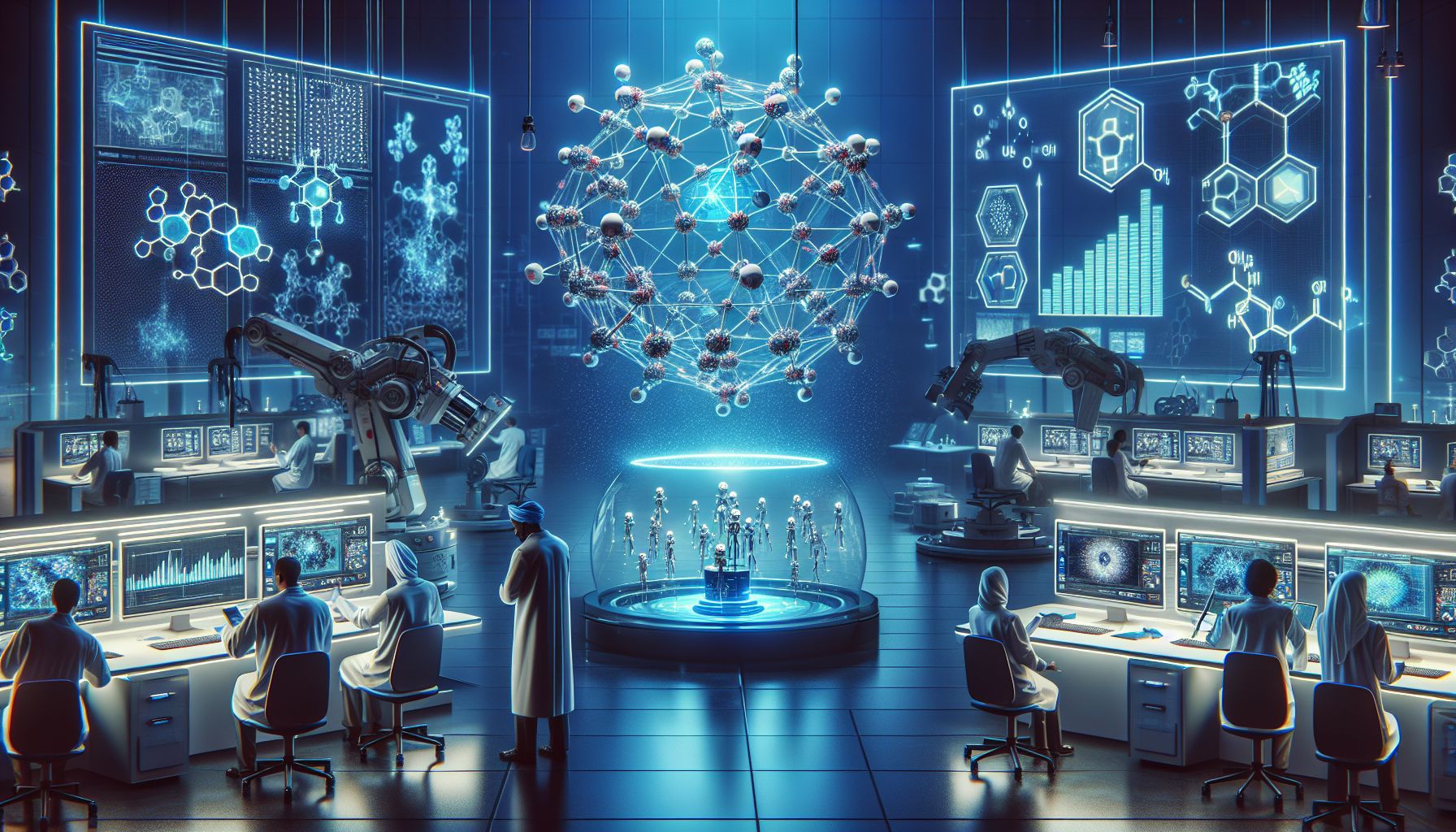
One of the most significant impacts of technology on pharmaceutical products is in the realm of drug discovery. Through the use of Artificial Intelligence (AI) and machine learning algorithms, researchers are able to analyze vast amounts of data to identify potential drug candidates much more quickly and accurately than ever before. This has led to a faster and more efficient drug development process, ultimately bringing new treatments to patients in need at a quicker pace.
Furthermore, technology has also played a crucial role in the manufacturing of pharmaceutical products. Automation and robotics have been utilized in pharmaceutical manufacturing facilities to increase efficiency, reduce errors, and ensure consistent quality. This not only benefits the pharmaceutical companies in terms of cost savings and productivity but also improves the safety and efficacy of the products being produced.
In terms of distribution, technology has transformed the way pharmaceutical products are delivered to patients. The rise of e-commerce platforms and telemedicine services has made it easier for patients to access their medications from the comfort of their own homes. Additionally, innovations in packaging and tracking technologies have improved the traceability of pharmaceutical products throughout the supply chain, reducing the risk of counterfeiting and ensuring product integrity.
Lastly, technology has also enhanced patient care by enabling more personalized treatment approaches. With the use of wearable devices and digital health platforms, healthcare providers can monitor patients’ health in real-time and make more informed treatment decisions. This level of connectivity and data sharing can lead to better health outcomes for patients and a more efficient healthcare system overall.
In conclusion, the integration of technology into the pharmaceutical industry has had a profound impact on the development, manufacturing, distribution, and use of pharmaceutical products. From accelerating drug discovery to improving patient care, technology has undoubtedly transformed the way in which pharmaceutical products are created and consumed. As technology continues to advance, we can expect even more innovative solutions to emerge, ultimately benefiting both the pharmaceutical industry and the patients it serves.
Comments are Disabled