Advancements in Technology and Their Impact on Pharmaceutical Products
In recent years, technology has played a crucial role in the development and improvement of pharmaceutical products. From drug discovery to manufacturing to distribution, technology has revolutionized the way medicine is created and delivered to patients. In this blog post, we will explore some of the key advancements in technology that are shaping the pharmaceutical industry today.
One of the most significant contributions of technology to pharmaceutical products is in the area of drug discovery. High-throughput screening, bioinformatics, and computational modeling are just a few of the tools that are being used to identify potential drug candidates more quickly and efficiently than ever before. With the help of these technologies, researchers are able to sift through vast amounts of data to pinpoint molecules that have the potential to treat a variety of diseases.
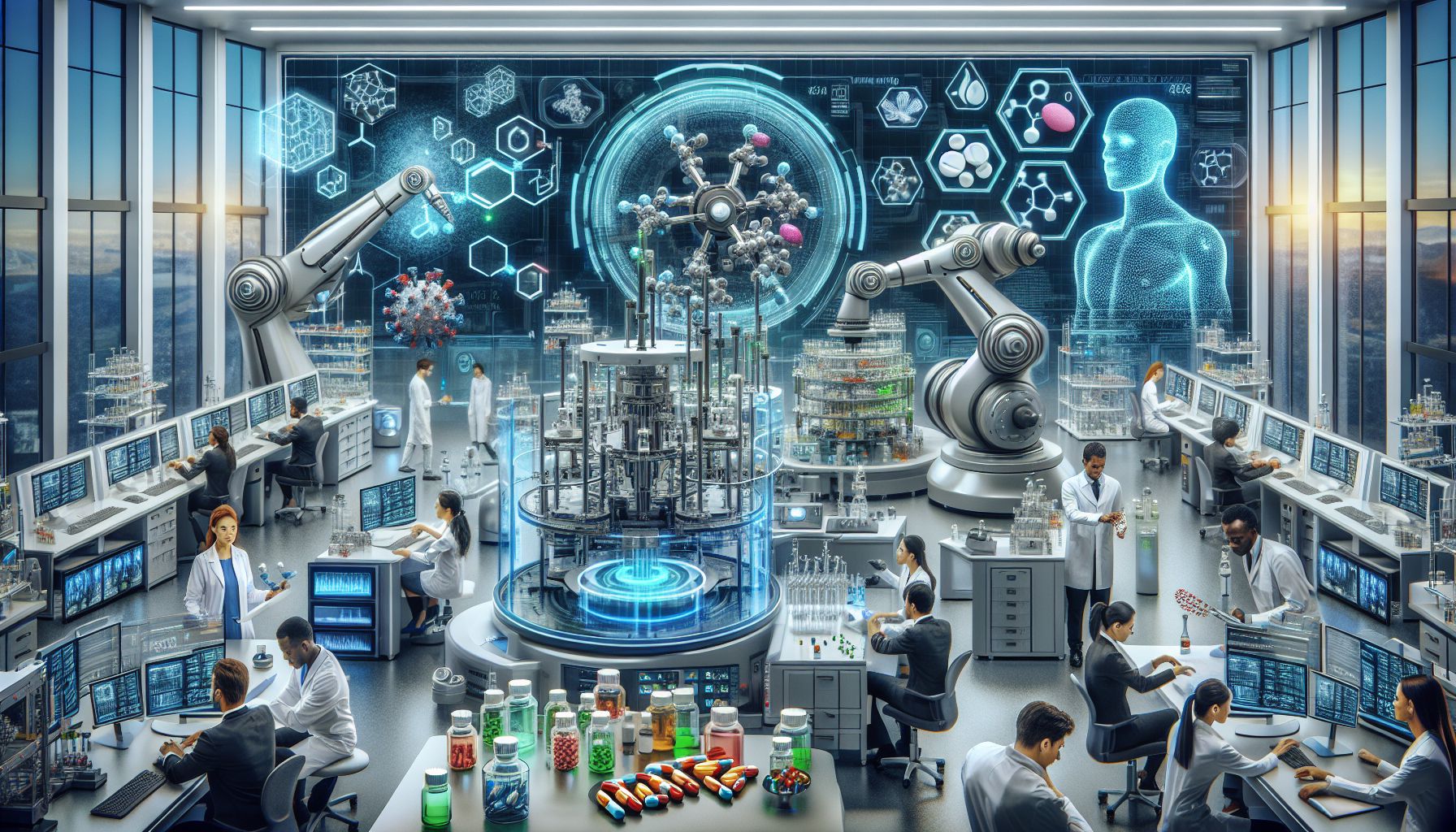
Additionally, advances in manufacturing technology have made it possible to produce pharmaceutical products at a larger scale and with greater precision. Automation and robotics are being used in pharmaceutical plants to streamline the production process, reduce human error, and improve product consistency. This not only allows for faster and more cost-effective manufacturing, but also ensures that the products being produced meet the highest quality standards.
In the realm of distribution, technology has also had a transformative impact on the pharmaceutical industry. The advent of electronic health records, telemedicine, and online pharmacies has made it easier for patients to access the medications they need, when they need them. These technological advancements have not only improved patient convenience, but have also opened up new avenues for managing chronic conditions and promoting better adherence to medication regimens.
Despite these advancements, it is important to acknowledge that technology also presents its own set of challenges for the pharmaceutical industry. Cybersecurity threats, data privacy concerns, and regulatory hurdles are just a few of the issues that companies must navigate as they integrate technology into their operations. However, with proper safeguards and protocols in place, the benefits of technological innovation far outweigh the risks.
In conclusion, technology has become an indispensable tool in the development and delivery of pharmaceutical products. From drug discovery to manufacturing to distribution, technology has streamlined processes, improved efficiency, and ultimately led to better patient outcomes. As the pharmaceutical industry continues to evolve, it will be exciting to see how technology will continue to shape and drive innovation in the years to come.
Comments are Disabled