The Intersection of Technology and Pharmaceutical Products
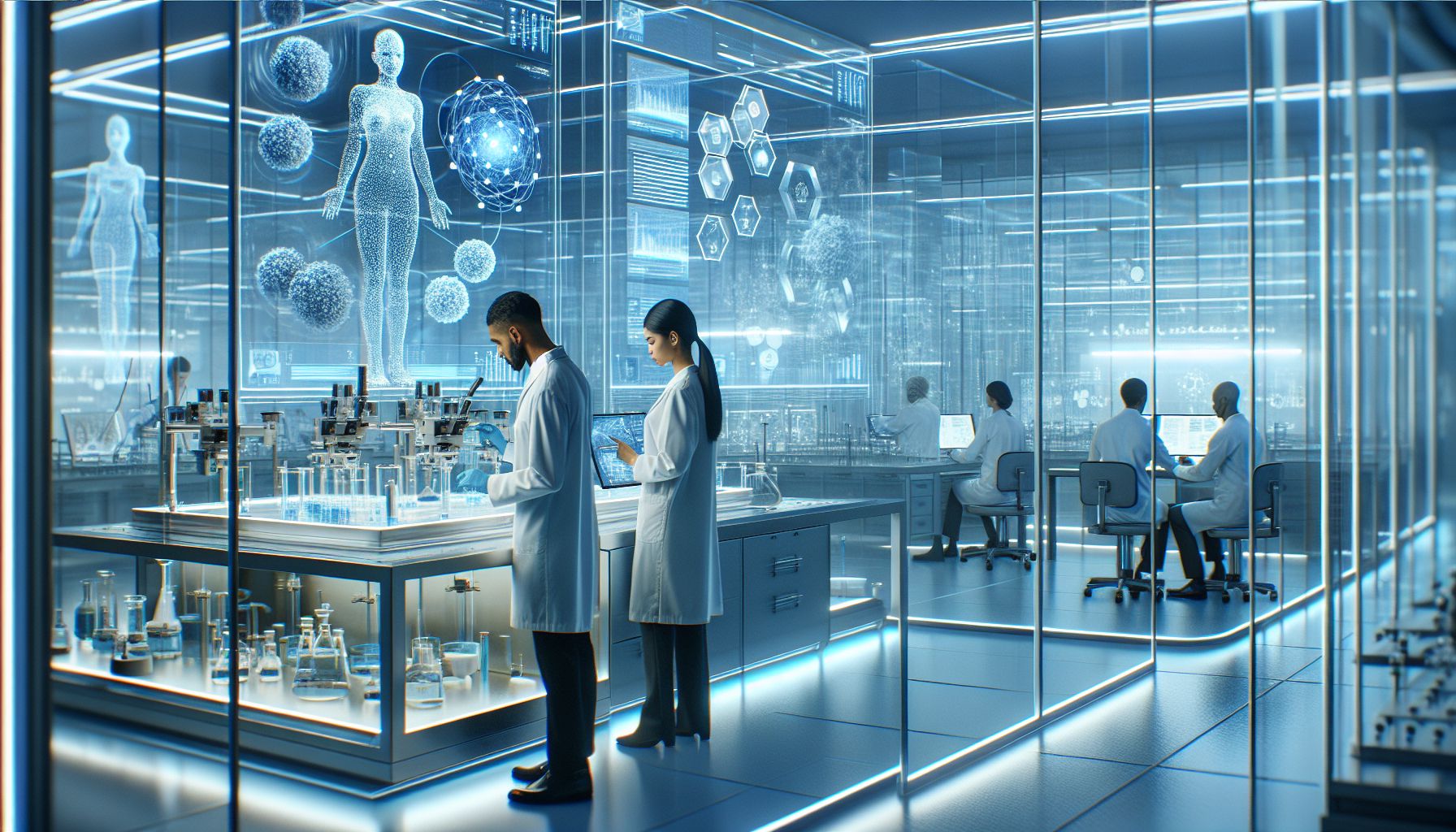
In today’s rapidly advancing world, technology is playing a crucial role in the development and innovation of pharmaceutical products. The integration of cutting-edge technologies such as artificial intelligence, big data analytics, and machine learning has revolutionized the way pharmaceutical companies research, develop, and deliver new drugs to market.
One of the key ways technology is impacting the pharmaceutical industry is in the drug discovery process. Traditionally, drug discovery has been a time-consuming and expensive endeavor, with researchers spending years and millions of dollars to identify potential drug candidates. However, with the advent of technologies like AI and machine learning, researchers can now analyze vast amounts of data to identify promising compounds faster and more accurately than ever before. This not only accelerates the drug discovery process but also reduces costs significantly.
Furthermore, technologies like big data analytics are enabling pharmaceutical companies to better understand patient populations and personalize treatments. By analyzing large datasets, researchers can identify trends and patterns in patient data, leading to the development of targeted therapies for specific patient groups. This approach, known as precision medicine, holds the promise of improving treatment outcomes and reducing side effects for patients.
In addition to drug discovery and personalized medicine, technology is also enhancing the way pharmaceutical products are manufactured and distributed. The use of automation and robotics in manufacturing processes is increasing efficiency and productivity, while also ensuring quality control and consistency in drug production. Furthermore, advancements in digital health tools are making it easier for patients to access and adhere to their medication regimens, leading to improved treatment outcomes.
Despite the numerous benefits of technology in the pharmaceutical industry, there are also challenges and ethical considerations that need to be addressed. Issues such as data privacy, security, and regulatory compliance remain major concerns in the adoption of new technologies. Additionally, the high costs associated with implementing and maintaining these technologies can be a barrier for some pharmaceutical companies, especially smaller ones.
In conclusion, the integration of technology in the pharmaceutical industry is transforming the way drugs are discovered, developed, and delivered. From speeding up the drug discovery process to enabling personalized medicine and improving manufacturing processes, technology is revolutionizing the way pharmaceutical products are created and distributed. While there are challenges to overcome, the potential benefits of technology in the pharmaceutical industry are vast and exciting.
Comments are Disabled