Technology’s Impact on Pharmaceutical Products
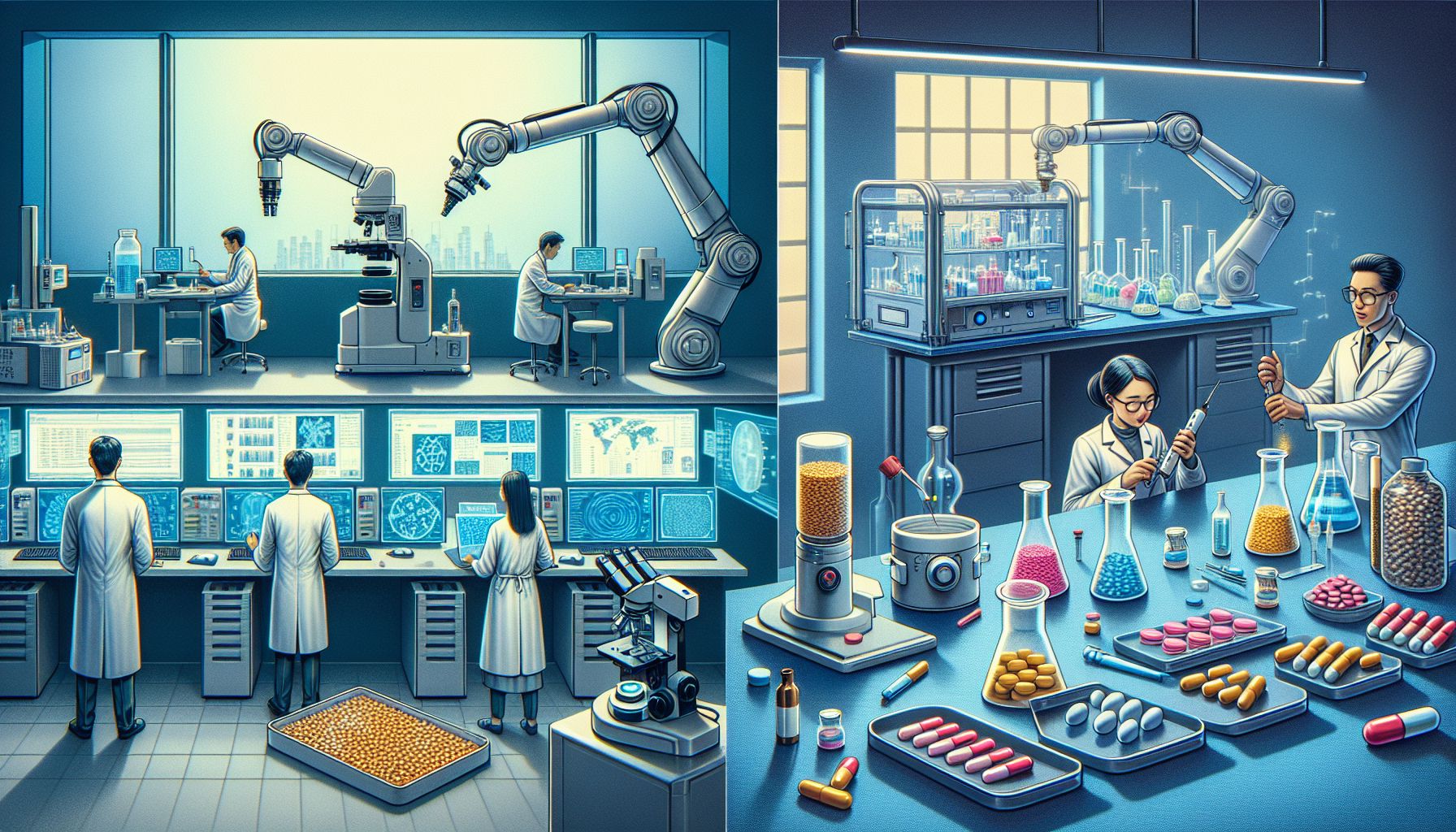
Technology has had a profound impact on the pharmaceutical industry, revolutionizing the way drugs are researched, developed, and marketed. In recent years, advancements in technologies such as artificial intelligence, machine learning, and big data analytics have allowed pharmaceutical companies to streamline their processes, enhance drug discovery efforts, and improve patient outcomes.
One of the most significant ways technology has transformed the pharmaceutical industry is through the use of artificial intelligence (AI). AI algorithms can analyze vast amounts of data to identify potential drug candidates, predict their efficacy, and optimize their dosages. This has significantly reduced the time and cost of drug discovery, enabling pharmaceutical companies to bring new treatments to market more quickly.
Another important technological innovation in the pharmaceutical industry is the use of machine learning algorithms to personalize medicine. By analyzing patients’ genetic profiles, medical histories, and lifestyle factors, pharmaceutical companies can create targeted therapies that are tailored to individual patients’ needs. This personalized approach to medicine not only improves treatment outcomes but also reduces the risk of adverse effects.
Furthermore, big data analytics has enabled pharmaceutical companies to gain valuable insights into disease mechanisms, treatment patterns, and patient outcomes. By analyzing large datasets, companies can identify trends, patterns, and correlations that were previously hidden, leading to more informed decision-making and better healthcare outcomes.
In addition to drug discovery and personalized medicine, technology has also transformed the way pharmaceutical products are marketed and distributed. Digital platforms, social media, and mobile apps have enabled pharmaceutical companies to reach a wider audience, engage with patients in real-time, and provide valuable information and support.
Despite the many benefits of technology in the pharmaceutical industry, there are also challenges and concerns that need to be addressed. Data privacy and security, regulatory compliance, and ethical considerations are some of the key issues that companies need to navigate as they leverage technology to improve healthcare.
In conclusion, technology has had a transformative impact on the pharmaceutical industry, enhancing drug discovery, personalized medicine, and patient care. As technology continues to evolve, it is likely that we will see even more innovations that will further improve the way pharmaceutical products are developed, marketed, and used. Ultimately, the intersection of technology and pharmaceuticals holds great promise for the future of healthcare.
Comments are Disabled