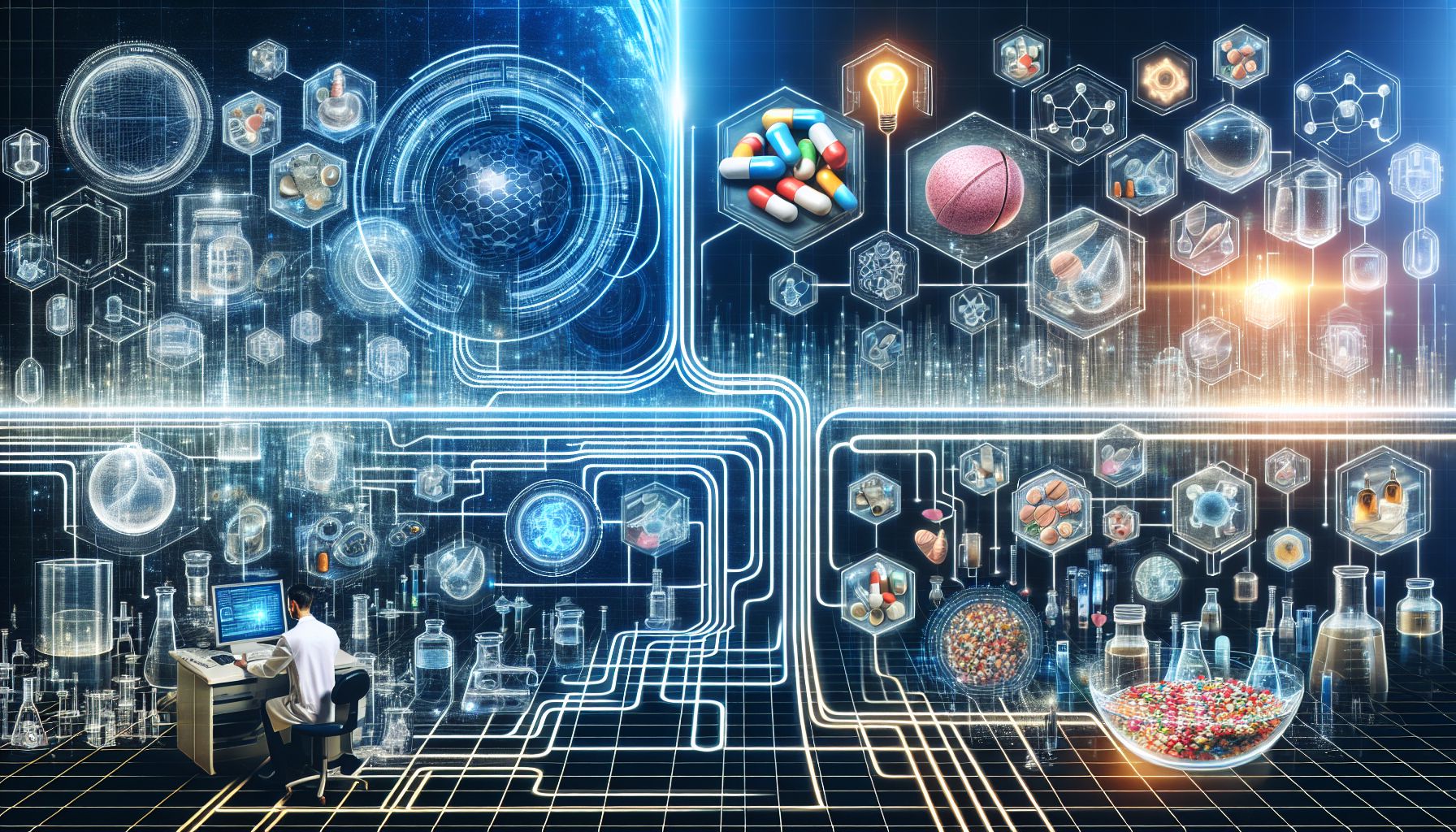
The Intersection of Technology and Pharmaceutical Products
In today’s fast-paced world, technology plays a crucial role in every aspect of our lives, including the pharmaceutical industry. Advancements in technology have revolutionized the way pharmaceutical products are developed, tested, and distributed, leading to more effective and efficient medications for patients worldwide.
One of the most significant ways technology has impacted the pharmaceutical industry is through the development of new medications. Scientists can now use computational tools and software to design and test potential drug candidates before ever setting foot in a lab. This process, known as computer-aided drug design, allows for faster and more cost-effective drug development, ultimately leading to the discovery of new treatments for various diseases.
Another area where technology has made a profound impact is in the field of personalized medicine. With the help of genetic testing and data analytics, healthcare providers can now tailor treatments to individual patients based on their genetic makeup, lifestyle, and medical history. This personalized approach not only improves patient outcomes but also reduces the risk of adverse reactions to medications.
In addition to drug development and personalized medicine, technology has also revolutionized the way pharmaceutical products are manufactured and distributed. Automation and robotics have made the production process more efficient and accurate, reducing the risk of human error and contamination. Furthermore, advancements in artificial intelligence and machine learning have improved supply chain management, allowing pharmaceutical companies to track and trace products in real-time and ensure they reach patients safely and on time.
However, with these advancements in technology come new challenges and ethical considerations. The rise of telemedicine and digital health platforms has raised questions about patient privacy and data security, as well as how to regulate these new technologies to ensure patient safety. Additionally, the increasing reliance on technology in the pharmaceutical industry has also led to concerns about job displacement and the impact on the workforce.
In conclusion, the intersection of technology and pharmaceutical products has revolutionized the way medications are developed, tested, and distributed, leading to more personalized and effective treatments for patients worldwide. While there are challenges and ethical considerations that come with these advancements, the benefits far outweigh the risks. As technology continues to evolve, so too will the pharmaceutical industry, ultimately improving the health and well-being of individuals around the globe.
Comments are Disabled