The Intersection of Technology and Pharmaceutical Products
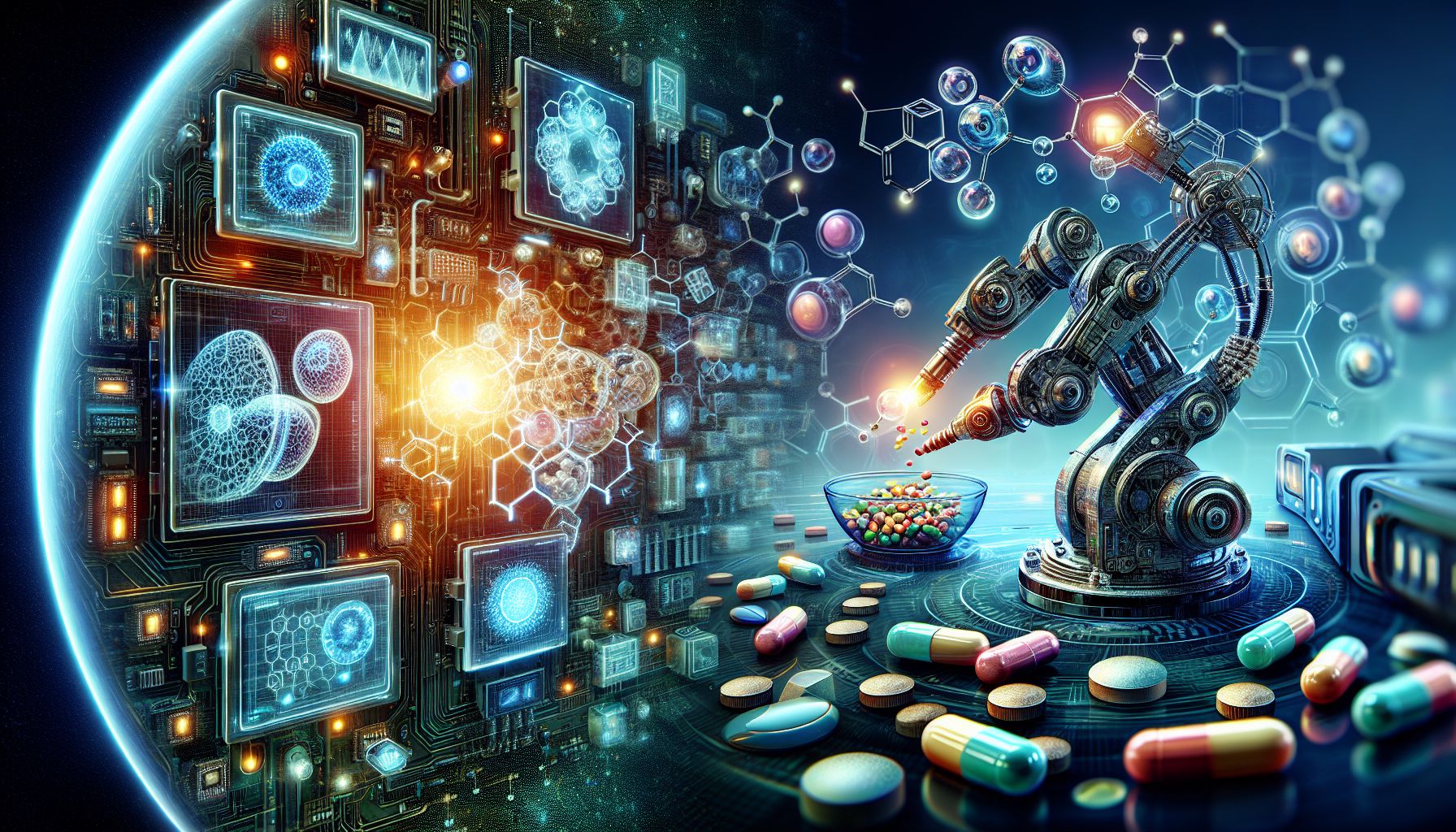
In today’s fast-paced world, technology is constantly advancing and transforming industries across the globe. One particular sector that has seen a significant impact from technological advancements is the pharmaceutical industry. With the help of cutting-edge technology, pharmaceutical companies are able to develop new drugs more efficiently, improve patient outcomes, and streamline processes.
One of the most significant ways in which technology has revolutionized the pharmaceutical industry is through the use of artificial intelligence (AI). AI has the ability to analyze large amounts of data quickly and accurately, allowing researchers to identify patterns and trends that would have been nearly impossible to uncover using traditional methods. This has led to faster drug discovery and development, as well as more personalized treatment options for patients.
Another area where technology has had a major impact on pharmaceutical products is in the realm of digital health. From wearable devices that track vital signs and medication adherence to telemedicine platforms that allow patients to consult with their healthcare providers remotely, digital health technologies are changing the way we approach healthcare. These technologies not only improve patient engagement and outcomes but also have the potential to reduce healthcare costs in the long run.
In addition to AI and digital health, advancements in 3D printing technology have also had a significant impact on the pharmaceutical industry. 3D printing allows for the creation of personalized medication in various shapes, sizes, and dosages, making it easier for patients to adhere to their prescribed treatment regimens. This technology has the potential to revolutionize the way medications are manufactured and distributed, ultimately leading to better health outcomes for patients.
Furthermore, the use of data analytics and machine learning algorithms has enabled pharmaceutical companies to better understand patient needs, optimize clinical trials, and improve drug safety. By analyzing real-world data and clinical outcomes, companies can better tailor their products to meet the needs of specific patient populations, ultimately leading to more effective treatments and improved patient outcomes.
In conclusion, the intersection of technology and pharmaceutical products has brought about a wave of innovation and transformation in the healthcare industry. From AI and digital health to 3D printing and data analytics, these technological advancements have the potential to revolutionize how we approach drug discovery, development, and patient care. As technology continues to advance, we can expect to see even more exciting developments in the field of pharmaceutical products, ultimately leading to better health and well-being for patients around the world.
Comments are Disabled