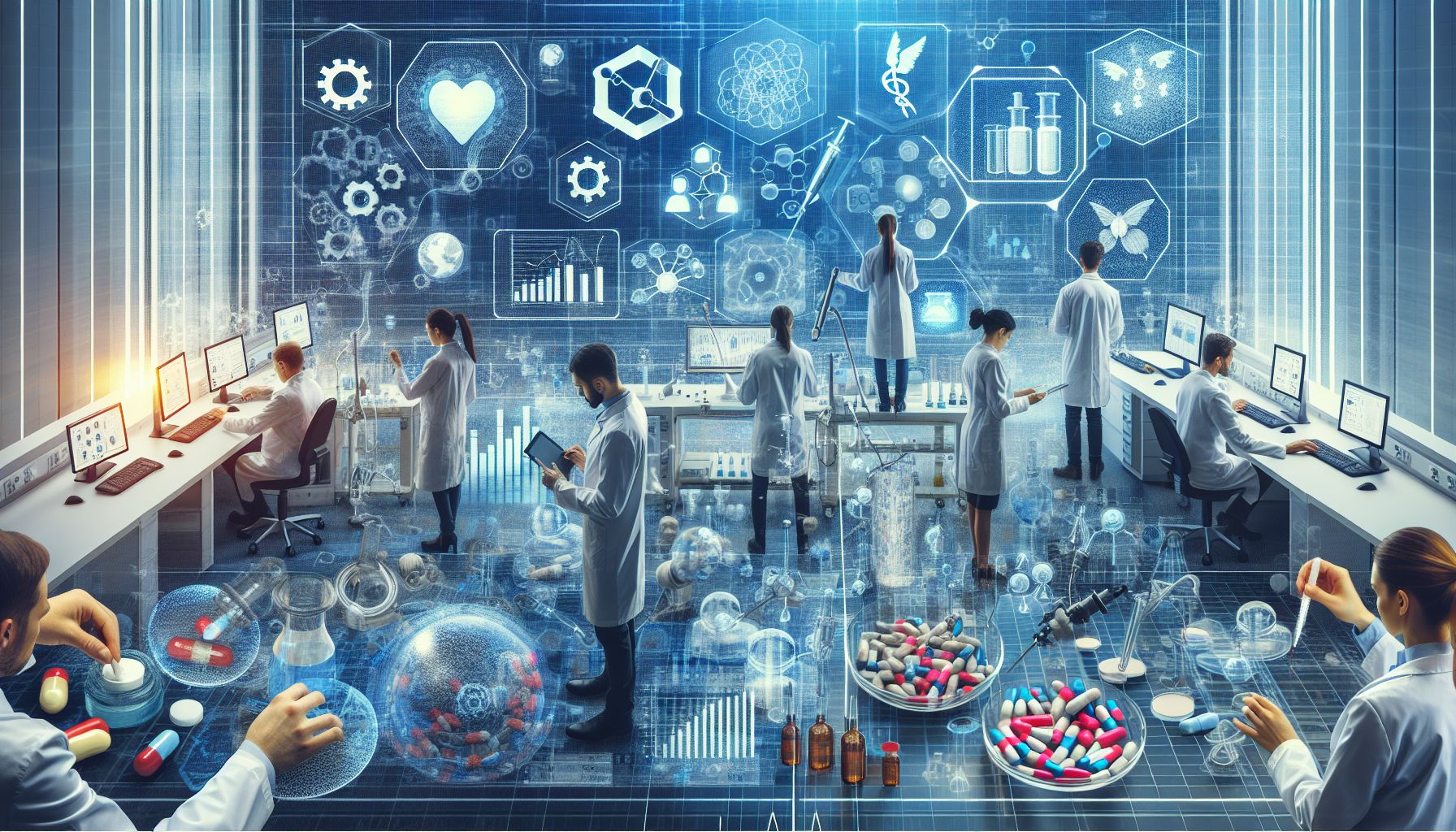
The Intersection of Technology and Pharmaceutical Products
Technology continues to revolutionize the pharmaceutical industry, leading to groundbreaking advancements in drug development, manufacturing, and delivery. From artificial intelligence and machine learning to 3D printing and nanotechnology, the convergence of technology and pharmaceuticals is driving innovation and improving patient outcomes like never before.
One of the most significant ways technology is transforming the pharmaceutical industry is through the use of AI and machine learning. These tools are being utilized to analyze vast amounts of data in drug discovery, helping researchers identify potential targets and design new molecules with greater precision and efficiency. By harnessing the power of AI, pharmaceutical companies can accelerate the drug development process, bringing life-saving treatments to market faster.
3D printing is another game-changing technology that is reshaping the pharmaceutical landscape. With 3D printing, manufacturers can produce personalized drugs and dosage forms tailored to individual patient needs. This level of customization not only improves patient compliance but also enhances drug efficacy and safety. Additionally, 3D printing enables more cost-effective and sustainable production methods, significantly reducing waste and manufacturing time.
Nanotechnology is also playing a vital role in the development of novel pharmaceutical products. Nanoparticles can be used to deliver drugs directly to targeted cells, tissues, or organs, improving drug absorption and bioavailability. By encapsulating drugs in nanocarriers, pharmaceutical companies can enhance drug stability and prolong its therapeutic effects, leading to more effective treatments for patients.
As technology continues to advance, the pharmaceutical industry is poised to make significant strides in digital health and personalized medicine. Wearable devices, mobile apps, and telemedicine services are enabling patients to monitor their health in real-time and communicate with healthcare providers remotely. This level of connectivity and data sharing is revolutionizing patient care, allowing for more personalized treatment plans based on individual health metrics and needs.
In conclusion, the intersection of technology and pharmaceutical products is reshaping the future of healthcare. With AI, 3D printing, nanotechnology, and digital health tools, pharmaceutical companies are revolutionizing drug development, manufacturing, and delivery, ultimately improving patient outcomes and quality of life. As technology continues to evolve, the possibilities for innovation in the pharmaceutical industry are limitless, promising to usher in a new era of personalized and effective healthcare solutions for patients around the world.
Comments are Disabled