The Intersection of Technology and Pharmaceutical Products
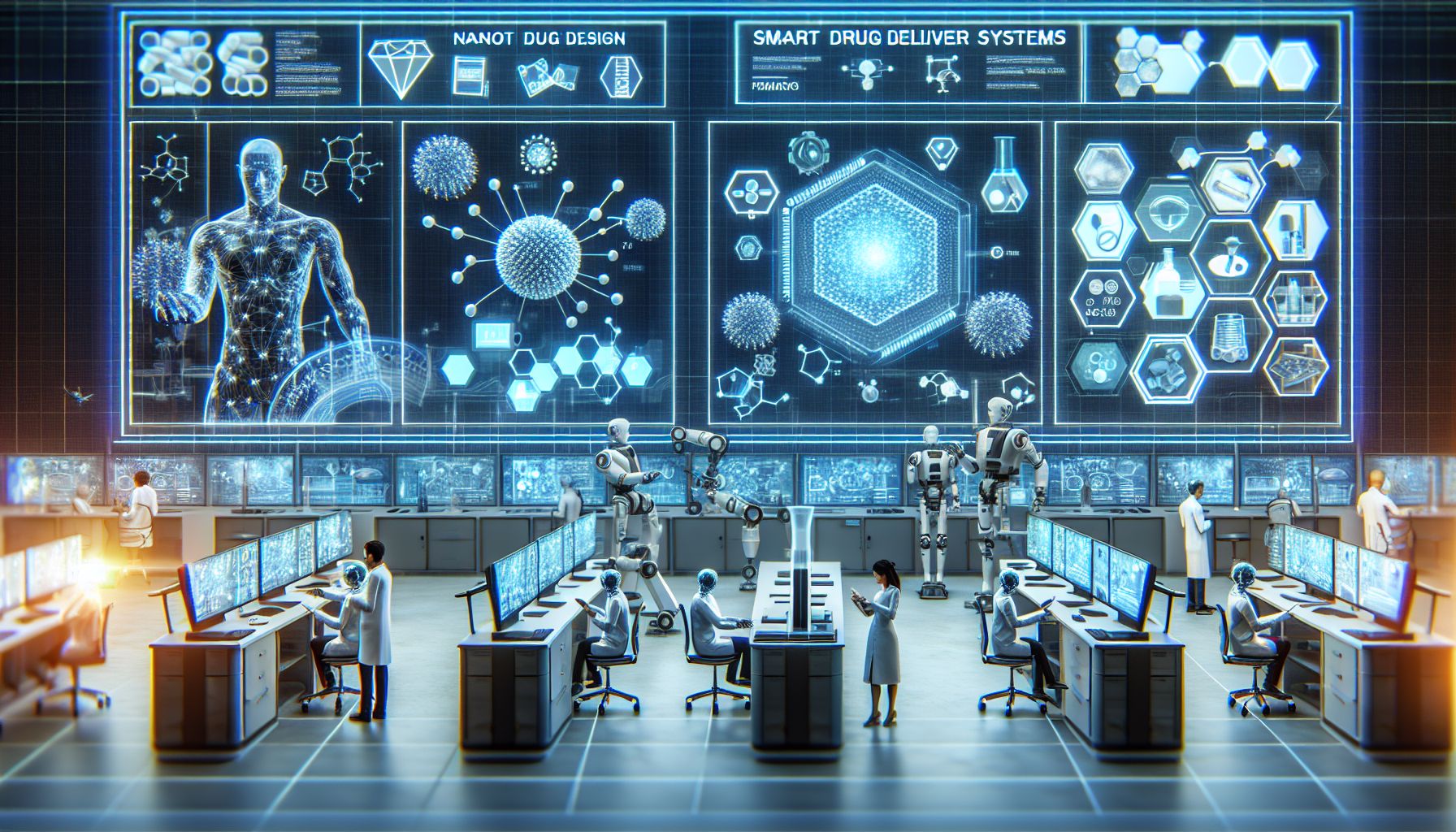
In recent years, the pharmaceutical industry has seen a significant increase in the use of technology to enhance the development and production of new drugs. This intersection of technology and pharmaceutical products has led to greater efficiency, improved quality, and ultimately, better outcomes for patients.
One of the ways in which technology is revolutionizing the pharmaceutical industry is through the use of data analytics. By analyzing large datasets, researchers can identify patterns and trends that may have otherwise gone unnoticed. This allows for more targeted drug development and personalized medicine, leading to more effective treatments for patients.
Another important aspect of technology in the pharmaceutical industry is the use of automation. Automation allows for the faster and more precise production of pharmaceutical products, reducing the risk of human error and increasing overall efficiency. This not only speeds up the drug development process but also ensures that medications are produced consistently and to a high standard.
Furthermore, technology has also played a crucial role in the research and development of new drugs. With the use of advanced imaging techniques, researchers can better understand the mechanisms of diseases and how different drugs interact with the body. This has led to the creation of more effective and targeted therapies, improving the overall quality of care for patients.
Additionally, the rise of telemedicine and digital health platforms has made it easier for patients to access medication and receive medical advice remotely. This has been especially beneficial during the COVID-19 pandemic, allowing patients to consult with healthcare providers without having to leave their homes.
While the intersection of technology and pharmaceutical products has brought about many benefits, it is not without its challenges. Security and privacy concerns are a major issue, especially with the increasing amount of personal data being collected and stored electronically. It is important for pharmaceutical companies to prioritize cybersecurity and ensure that patient information is protected at all times.
In conclusion, the integration of technology into the pharmaceutical industry has revolutionized drug development, production, and patient care. By leveraging data analytics, automation, and advanced imaging techniques, researchers can create more effective medications tailored to individual patients. While there are challenges to overcome, the benefits of this intersection are clear. As technology continues to advance, we can expect even more innovations in the pharmaceutical industry, ultimately leading to better outcomes for patients around the world.
Comments are Disabled