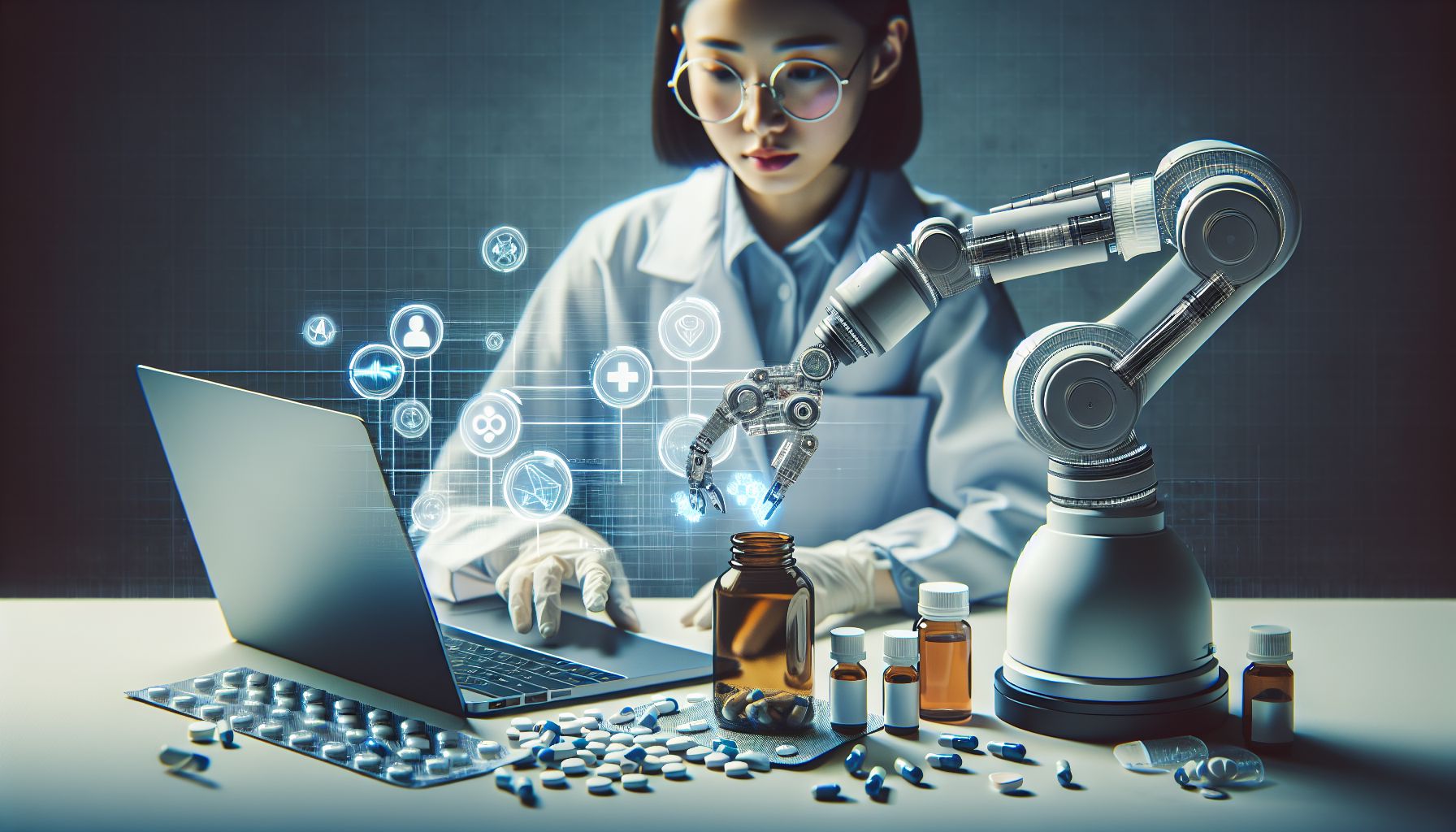
The Intersection of Technology and Pharmaceutical Products
In recent years, we have witnessed significant advancements in both the fields of technology and pharmaceutical products. These two seemingly distinct domains have now begun to converge, leading to exciting and groundbreaking innovations. The integration of technology into pharmaceutical products has revolutionized the healthcare industry, offering improved treatments, enhanced drug delivery methods, and personalized medicine. Let’s explore how technology has transformed pharmaceutical products and the numerous benefits it provides.
Enhanced Drug Delivery Systems
Technology has played a crucial role in developing advanced drug delivery systems, ensuring the precise and targeted administration of medications. Traditional oral tablets and capsules often have limitations in terms of dosage control and targeted delivery. However, advancements such as nanotechnology and 3D printing have enabled the production of innovative drug delivery methods.
Nanotechnology has allowed for the development of tiny nanoparticles that can encapsulate drugs, improving their stability, solubility, and bioavailability. These nanoparticles can be specifically designed to target certain cells or tissues, increasing the effectiveness of medication and minimizing side effects.
Furthermore, the utilization of 3D printing technology has revolutionized drug manufacturing. It enables the creation of personalized medicines with precise dosages and formulations tailored to individual patients. This has the potential to alleviate the challenges of mass production and improve patient adherence to medication regimes.
Smart Medical Devices
Technology has also led to the emergence of smart medical devices that can seamlessly integrate into our daily lives, making healthcare more accessible and efficient. Devices such as wearables, implantable sensors, and smartphone applications empower individuals to monitor their health conditions and receive real-time feedback.
Wearable devices, including smartwatches and fitness trackers, can continuously track vital signs, collect data, and provide valuable insights into an individual’s health. They not only enable early detection and prevention of illnesses but also encourage a proactive approach towards maintaining a healthy lifestyle.
Implantable sensors have also become increasingly sophisticated, allowing healthcare professionals to monitor patients remotely. These sensors can gather data about various health parameters, such as glucose levels, heart rate, and blood pressure. By integrating this data with cloud-based systems, healthcare providers can remotely monitor patients’ conditions and make timely interventions when necessary.
Improved Medication Management
Technology has undeniably transformed medication management, making it more efficient and error-proof. Digital platforms and smartphone applications enable patients to store and manage their medication schedules, ensuring adherence and minimizing the risk of missed doses or incorrect usage.
Additionally, barcode scanning technology has been implemented in hospitals and pharmacies to improve medication tracking and reduce medication errors. This technology enables the verification of medications and ensures that patients receive the correct and appropriate dosage. It also allows healthcare professionals to monitor medication usage patterns and provide personalized recommendations.
Conclusion
The convergence of technology and pharmaceutical products holds immense potential for transforming the healthcare landscape. Through enhanced drug delivery systems, smart medical devices, and improved medication management, patients can benefit from more personalized treatments, improved monitoring, and reduced medical errors. As technology continues to evolve, we can only anticipate further advancements in the integration of technology and pharmaceutical products, leading to a brighter and healthier future for all.
Comments are Disabled