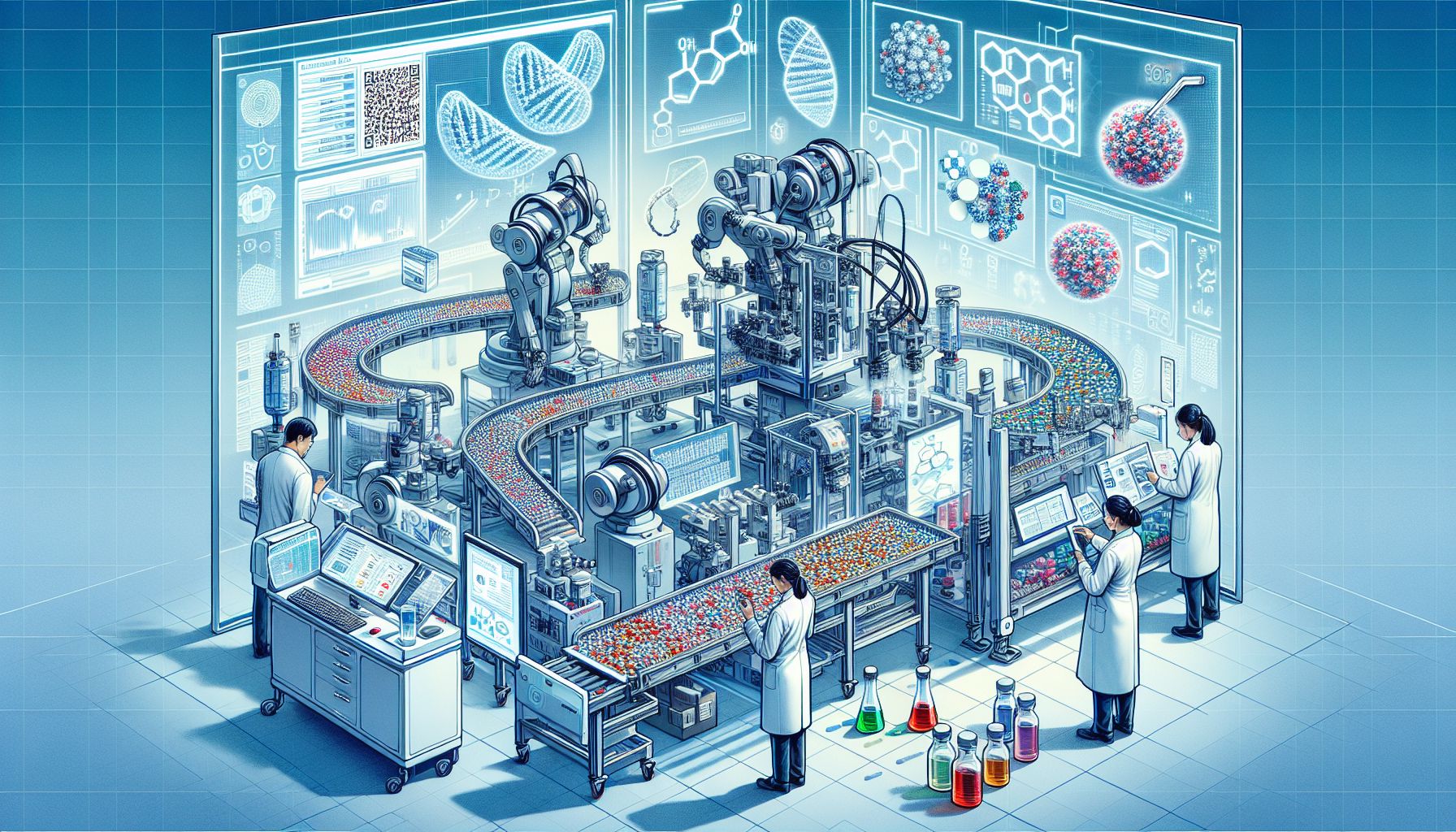
The Intersection of Technology and Pharmaceutical Products
In recent years, the intersection of technology and pharmaceutical products has revolutionized the way we approach healthcare. From AI-driven drug discovery to personalized medicine, the marriage of these two industries has paved the way for groundbreaking advancements in the field.
One area where technology has had a significant impact on pharmaceutical products is in the realm of drug development. Traditional methods of drug discovery can be time-consuming and costly, often taking years to bring a new medication to market. However, with the advent of technologies such as machine learning and big data analytics, researchers are now able to streamline the drug discovery process, identifying potential candidates for new medications in a fraction of the time.
Additionally, technology has enabled the development of personalized medicine, a tailored approach to treatment that takes into account an individual’s genetic makeup, lifestyle, and environment. By leveraging technologies such as genetic testing and wearable devices, healthcare providers can now create customized treatment plans that are more effective and have fewer side effects.
Moreover, advancements in digital health tools have allowed pharmaceutical companies to better monitor patient outcomes and adherence to medications. Mobile apps, smart devices, and telemedicine platforms have all contributed to improving patient engagement and overall healthcare outcomes.
One of the most exciting developments in the intersection of technology and pharmaceutical products is the rise of digital therapeutics. These software-based interventions have been shown to be effective in treating a variety of conditions, from chronic diseases to mental health disorders. By combining cutting-edge technology with evidence-based therapeutic practices, digital therapeutics offer a new frontier in healthcare that is both scalable and cost-effective.
Despite the many benefits that technology has brought to the pharmaceutical industry, there are also challenges that must be addressed. Concerns around data privacy, regulatory hurdles, and the cost of implementing new technologies can all present barriers to adoption. However, with the right strategic partnerships and a commitment to innovation, these obstacles can be overcome.
In conclusion, the intersection of technology and pharmaceutical products holds tremendous promise for the future of healthcare. By leveraging the power of AI, data analytics, and digital health tools, we have the opportunity to revolutionize the way we approach drug development, patient care, and medication management. As these industries continue to evolve and collaborate, we can look forward to a future where healthcare is not only more effective but also more personalized and accessible than ever before.
Comments are Disabled