The Intersection of Technology and Pharmaceuticals
The world of pharmaceuticals is constantly evolving, with new drugs being developed and tested every day to help improve the health and well-being of individuals all over the globe. However, one key factor that has significantly impacted the pharmaceutical industry in recent years is the integration of technology into the development and production of these life-saving products.
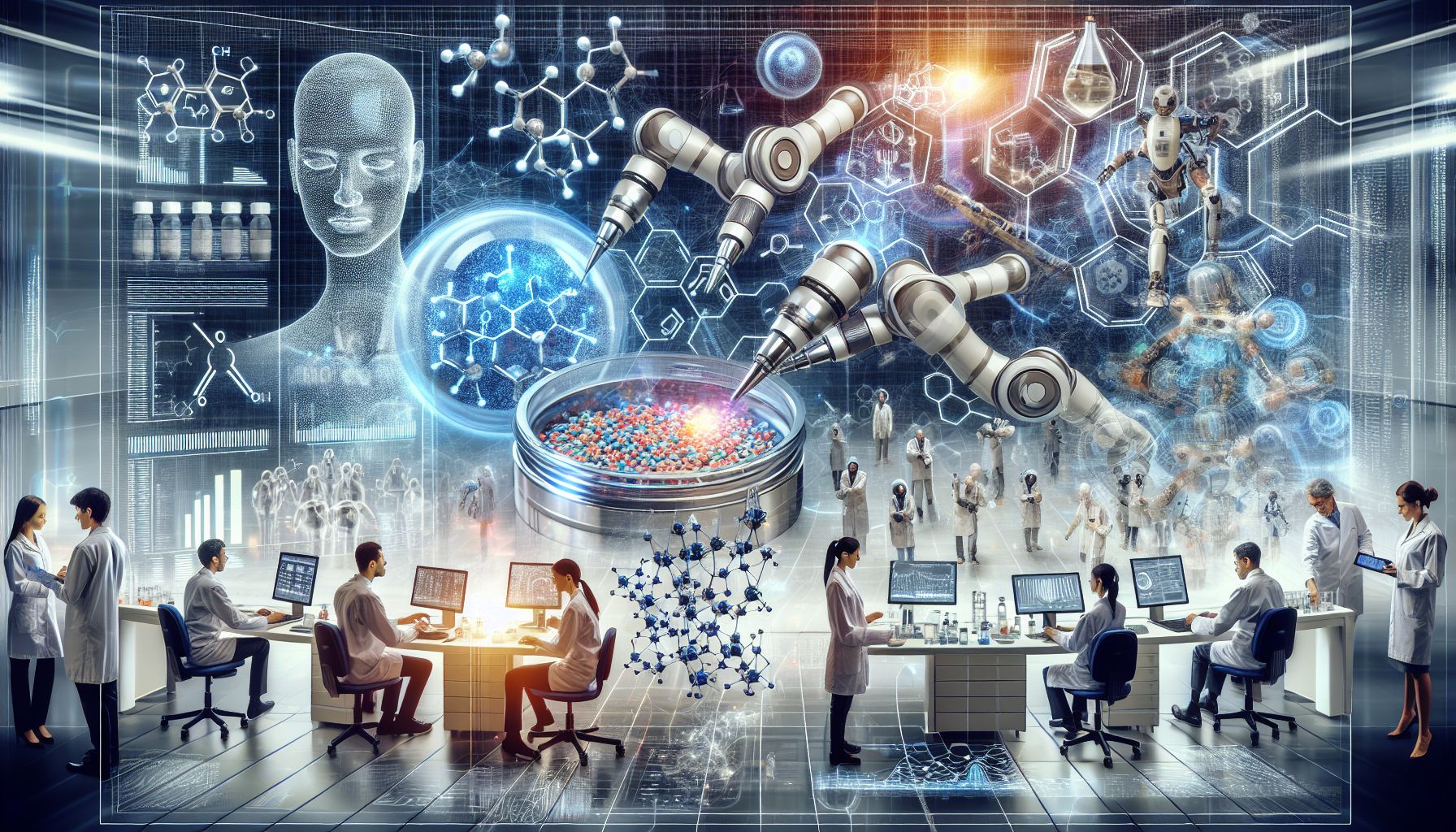
Technology has played a crucial role in revolutionizing the way pharmaceutical products are created, tested, and distributed. From automated robotic systems that can efficiently manufacture drugs on a large scale to advanced analytics that can predict the efficacy of a new drug with unprecedented accuracy, technology has transformed the pharmaceutical industry in countless ways.
One of the most notable advancements in the field of pharmaceutical technology is the use of artificial intelligence (AI) and machine learning algorithms to streamline the drug discovery process. By analyzing vast amounts of data and identifying patterns that human researchers may overlook, AI has the potential to significantly speed up the development of new drugs and reduce the costs associated with bringing them to market.
Additionally, technology has also played a crucial role in improving the efficiency and effectiveness of clinical trials. Electronic data capture systems, wearable devices, and mobile health apps are just a few examples of technological tools that are being used to collect real-time data from patients in clinical trials, allowing researchers to monitor the safety and efficacy of a new drug in real-time.
Furthermore, technology has also revolutionized the way pharmaceutical products are distributed and accessed by patients. Telemedicine platforms, online pharmacies, and medication adherence apps are just a few examples of how technology is making it easier for individuals to access the medications they need and adhere to their prescribed treatment regimens.
While the integration of technology into the pharmaceutical industry has undoubtedly brought about numerous benefits, it has also presented its own set of challenges. Data privacy and security concerns, regulatory hurdles, and the need for specialized technical expertise are just a few of the obstacles that pharmaceutical companies must navigate when incorporating technology into their operations.
In conclusion, the intersection of technology and pharmaceuticals has the potential to revolutionize the way drugs are developed, tested, and distributed, ultimately leading to better health outcomes for patients around the world. While there are challenges that must be overcome, the benefits of harnessing the power of technology in the pharmaceutical industry far outweigh the risks. As technology continues to advance, we can expect to see even more exciting innovations emerge in this critical field.
Comments are Disabled