The Intersection of Technology and Pharmaceuticals
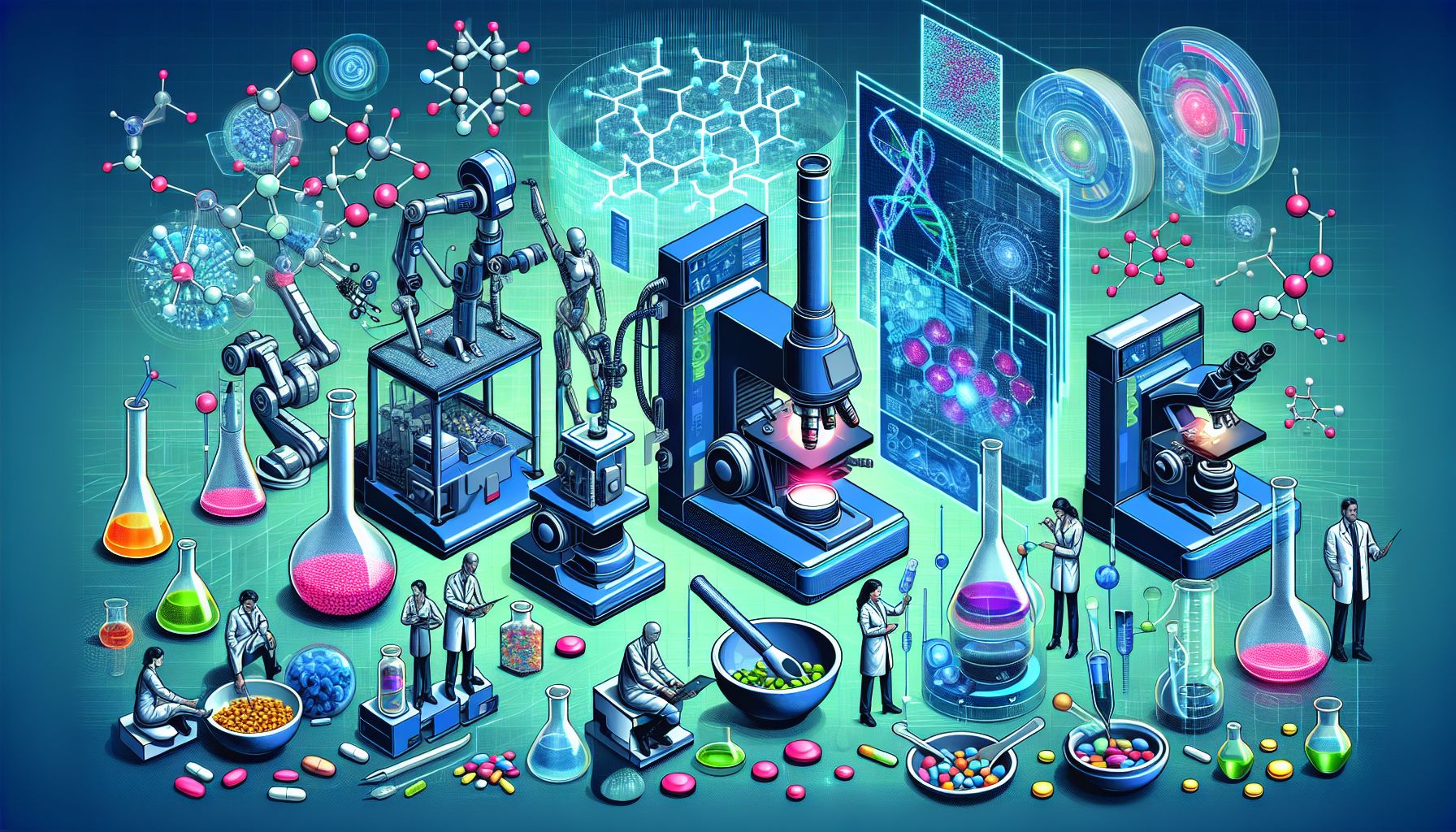
In recent years, the pharmaceutical industry has been experiencing a wave of technological advancements that are transforming the way drugs are developed, tested, and marketed. These innovations are not only improving the efficiency and accuracy of pharmaceutical processes but also leading to the development of more targeted and effective therapies for a wide range of diseases. From artificial intelligence and big data analytics to 3D printing and virtual reality, the integration of technology into the pharmaceutical sector is revolutionizing the way we approach healthcare.
One of the key areas where technology is making a significant impact is in drug discovery and development. Traditional drug discovery processes can be time-consuming and costly, often taking years to identify and test potential drug candidates. However, with the advent of technologies such as machine learning and high-throughput screening, researchers are now able to analyze vast amounts of data to more quickly identify promising drug candidates and predict their potential efficacy.
Furthermore, technologies like 3D printing are revolutionizing the way drugs are manufactured. Instead of relying on traditional methods of mass production, pharmaceutical companies can now use 3D printing to produce personalized medications tailored to individual patients’ needs. This not only improves patient adherence and outcomes but also reduces waste and costs associated with drug production.
In addition to drug discovery and manufacturing, technology is also playing a crucial role in improving patient care and outcomes. Telemedicine, for example, allows patients to consult with healthcare providers remotely, reducing the need for in-person visits and improving access to care for individuals in remote or underserved areas. Virtual reality is also being used to train healthcare professionals and simulate medical procedures, leading to more accurate diagnoses and better treatment outcomes.
However, as with any technological advancement, the integration of technology into the pharmaceutical industry also raises ethical and regulatory challenges. Ensuring the security and privacy of patient data, addressing concerns around AI bias, and navigating complex regulatory frameworks are just a few of the considerations that pharmaceutical companies must take into account when adopting new technologies.
In conclusion, the intersection of technology and pharmaceuticals represents a tremendous opportunity for innovation and growth in the healthcare industry. By harnessing the power of technology, pharmaceutical companies are able to develop more targeted therapies, improve patient outcomes, and reduce costs. However, it is essential that these advancements are implemented thoughtfully and responsibly to ensure that they benefit patients and society as a whole.
Comments are Disabled