The Intersection of Technology and Pharmaceutical Products
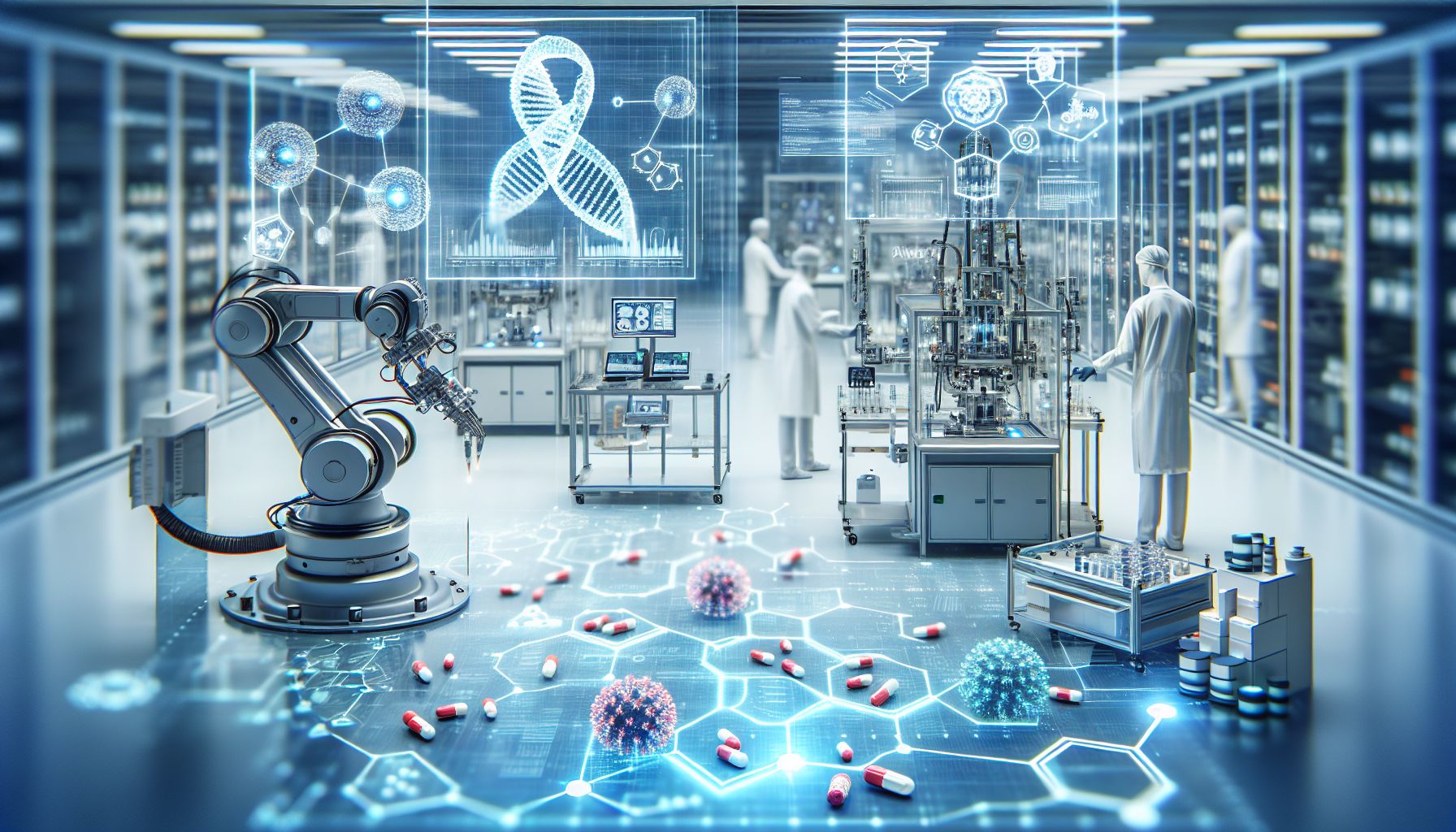
Technology has undoubtedly reshaped many industries, including the pharmaceutical sector. From drug discovery to manufacturing to patient care, technology has played a significant role in revolutionizing the way pharmaceutical products are developed, produced, and consumed.
One area where technology has had a profound impact is in drug discovery. Advances in artificial intelligence and machine learning have enabled researchers to analyze vast amounts of data and identify potential drug candidates more efficiently than ever before. This has led to the development of new treatments for various diseases and conditions at a faster pace, ultimately benefiting patients in need of innovative therapies.
Moreover, technologies such as 3D printing have transformed the manufacturing process of pharmaceutical products. This novel technology allows for the creation of personalized medications tailored to individual patients, improving treatment outcomes and adherence. Additionally, 3D printing can be used to produce complex drug delivery systems, enabling precise control over drug release rates and dosages.
In the realm of patient care, digital health technologies have made it easier for individuals to manage their health and medication regimens. Mobile applications, wearable devices, and telemedicine services have empowered patients to track their health metrics, communicate with healthcare providers, and access medical information conveniently from their smartphones or other electronic devices. These tools have not only enhanced patient engagement but also improved medication adherence and health outcomes.
Furthermore, the integration of blockchain technology has brought transparency and security to the pharmaceutical supply chain. By utilizing blockchain-powered platforms, pharmaceutical companies can track and verify the authenticity of drugs at every stage of the supply chain, reducing the risk of counterfeit products entering the market and safeguarding patient safety.
As technology continues to evolve, the possibilities for innovation in the pharmaceutical industry are seemingly endless. From the development of targeted therapies based on genomic data to the use of virtual reality technology for patient education, the future of pharmaceutical products is bright with technological advancements.
In conclusion, the intersection of technology and pharmaceutical products has ushered in a new era of innovation and transformation in the healthcare landscape. By harnessing the power of technology, the pharmaceutical industry has been able to improve drug discovery, manufacturing processes, patient care, and supply chain management. Ultimately, this marriage of technology and pharmaceutical products holds immense promise for advancing healthcare and improving the lives of patients worldwide.
Comments are Disabled