The Intersection of Technology and Pharmaceutical Products
In recent years, technology has revolutionized every aspect of our lives, including the pharmaceutical industry. From drug discovery to patient care, advancements in technology have greatly impacted the way pharmaceutical products are developed, tested, and distributed.
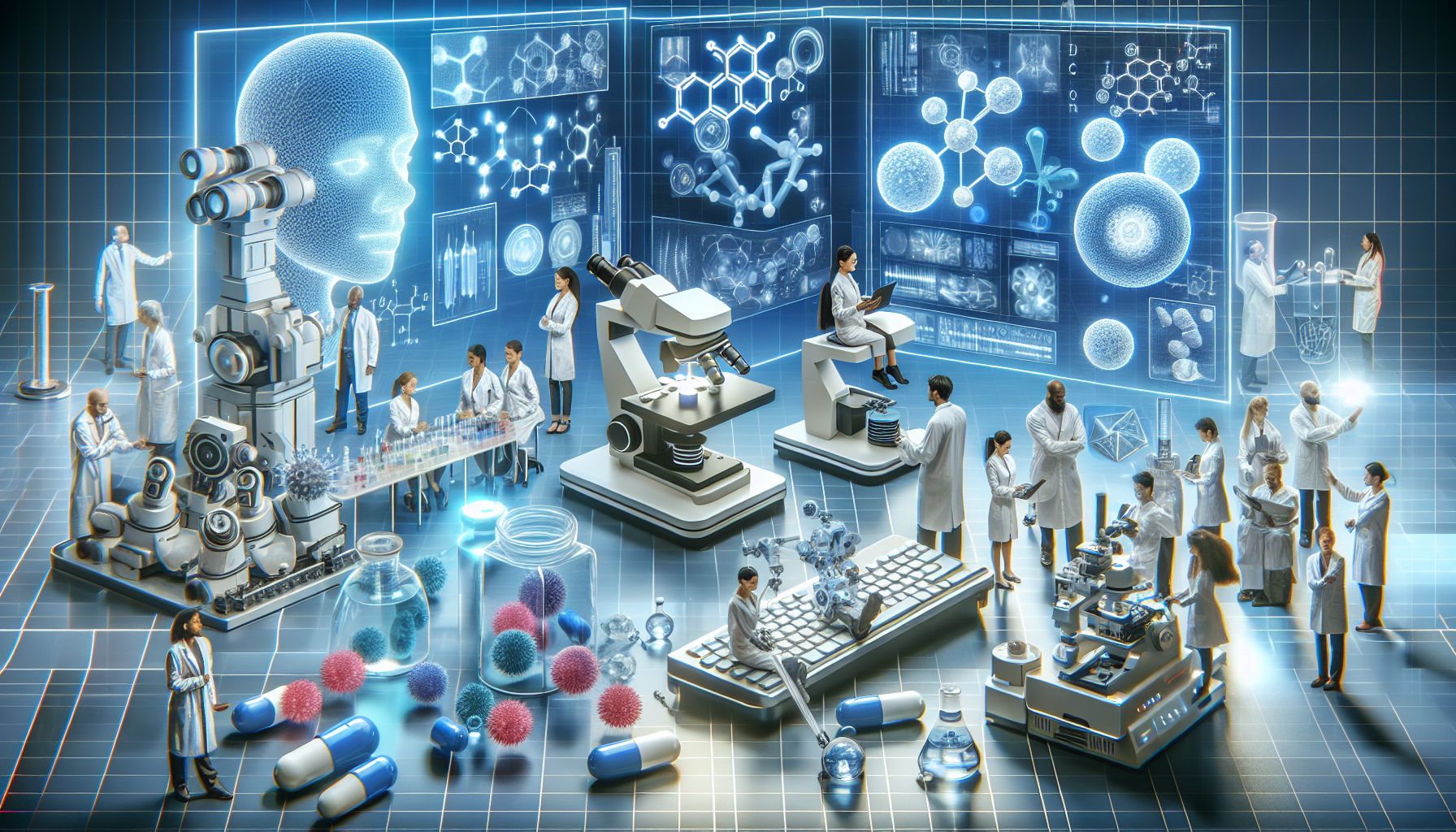
One of the most significant ways technology has transformed the pharmaceutical industry is through the use of artificial intelligence and machine learning. These tools have enabled researchers to analyze vast amounts of data, identify patterns, and develop new drugs more efficiently than ever before. By utilizing AI, pharmaceutical companies can significantly reduce the time and cost of drug discovery, ultimately leading to the development of more effective treatments for various diseases.
In addition to drug discovery, technology has also improved the way pharmaceutical products are tested and monitored. For example, wearable devices and mobile apps can now track patients’ vital signs, medication adherence, and overall health in real-time. This data can be analyzed to provide personalized treatment plans and improve patient outcomes. Furthermore, advancements in telemedicine allow patients to consult with healthcare providers remotely, making healthcare more accessible and convenient for individuals around the world.
Moreover, technology has transformed the way pharmaceutical products are manufactured and distributed. Automated processes and robotics have streamlined production, leading to faster and more efficient manufacturing of drugs. Additionally, blockchain technology is being used to track and authenticate pharmaceutical products throughout the supply chain, reducing the risk of counterfeit drugs entering the market.
However, with the benefits of technology in the pharmaceutical industry also come challenges. Issues such as data privacy, cybersecurity, and regulatory compliance must be carefully navigated to ensure the safety and efficacy of pharmaceutical products. As the industry continues to evolve, it will be crucial for pharmaceutical companies to prioritize these concerns and implement robust measures to protect patient data and ensure the integrity of their products.
In conclusion, the intersection of technology and pharmaceutical products has brought about significant advancements in drug discovery, patient care, manufacturing, and distribution. From AI-driven drug development to telemedicine and blockchain technology, the possibilities for innovation are endless. As technology continues to evolve, the pharmaceutical industry must adapt and embrace these changes to improve patient outcomes and address global healthcare challenges. Ultimately, the collaboration between technology and pharmaceuticals has the potential to revolutionize healthcare and save countless lives.
Comments are Disabled