The Intersection of Technology and Pharmaceutical Products
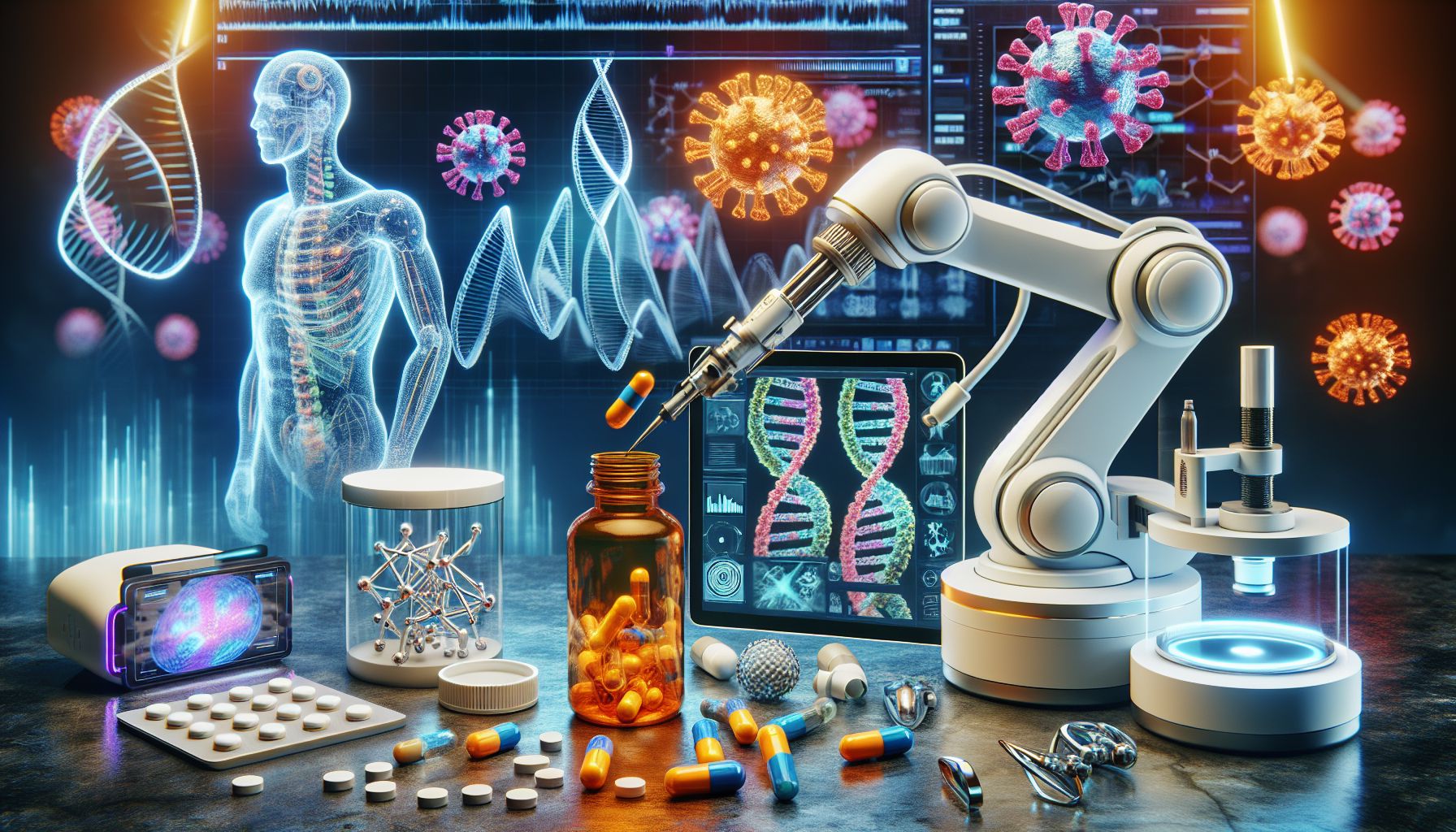
In today’s fast-paced world, technology plays a crucial role in almost every industry, including the pharmaceutical sector. The integration of technology into pharmaceutical products has revolutionized the way medications are developed, tested, and delivered to patients. From drug discovery to patient monitoring, technology has significantly improved the efficiency and effectiveness of the pharmaceutical industry.
One of the key ways technology has impacted pharmaceutical products is through the use of artificial intelligence (AI) and machine learning algorithms. These advanced technologies have made it possible for researchers to analyze vast amounts of data quickly and accurately, leading to the discovery of new drugs and treatments at a much faster pace. AI can identify patterns in large data sets that human researchers may have missed, helping to streamline the drug development process and reduce time and costs.
Moreover, technology has also played a significant role in improving drug delivery systems. Innovative technologies such as nanotechnology and microchip implants have enabled the development of targeted drug delivery systems that can deliver medications directly to specific cells or tissues in the body. This not only increases the efficacy of the drugs but also reduces the risk of side effects and improves patient outcomes.
In addition to drug development and delivery, technology has also transformed patient monitoring and adherence. Wearable devices and mobile apps can now track a patient’s vital signs, medication intake, and overall health in real-time. This data can be shared with healthcare providers to help them make more informed decisions about the patient’s treatment plan. These technologies have proven to be particularly useful in managing chronic conditions and ensuring that patients adhere to their prescribed medications.
The integration of technology into pharmaceutical products has not only improved the efficiency and effectiveness of drug development but has also enhanced the overall patient experience. Patients now have access to a wide range of innovative and personalized treatment options that were not possible before. With the continual advancements in technology, the future of pharmaceutical products looks even more promising.
In conclusion, the intersection of technology and pharmaceutical products has transformed the way medications are developed, tested, and delivered to patients. From AI-driven drug discovery to wearable devices for patient monitoring, technology has revolutionized the pharmaceutical industry. As technology continues to evolve, so too will the quality and efficacy of pharmaceutical products, ultimately leading to better outcomes for patients around the world.
Comments are Disabled