Advancements in Technology: Revolutionizing Pharmaceutical Products
Technology has revolutionized every aspect of our lives, and the pharmaceutical industry is no exception. From drug discovery to manufacturing, technology has played a crucial role in improving efficiency, accuracy, and ultimately, patient outcomes.
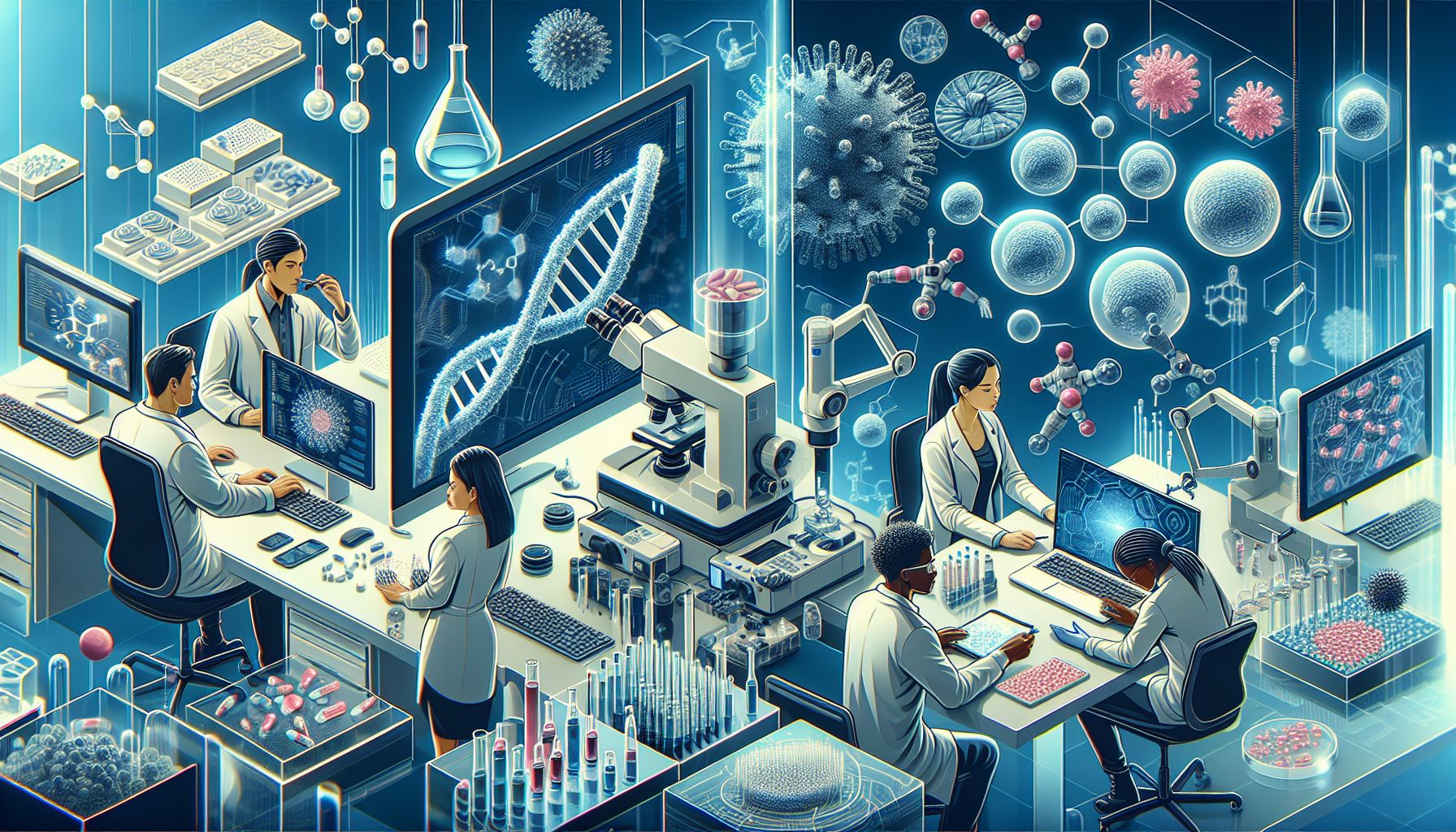
One of the most significant contributions of technology to the pharmaceutical industry is in the field of drug discovery. Traditional methods of drug discovery involved a trial-and-error approach, which was not only time-consuming but also costly. With the advent of technologies such as high-throughput screening, computational modeling, and artificial intelligence, researchers can now identify potential drug candidates much faster and more accurately. This has led to the development of new and more effective treatments for a wide range of diseases.
In addition to drug discovery, technology has also transformed the way pharmaceutical products are manufactured. Advanced manufacturing techniques, such as continuous manufacturing and 3D printing, have enabled pharmaceutical companies to produce drugs more efficiently and with higher precision. This not only reduces the cost of production but also ensures the quality and consistency of the final product.
Furthermore, technology has also revolutionized the way pharmaceutical products are delivered to patients. The development of smart devices, such as wearable sensors and connected inhalers, has made it easier for healthcare providers to monitor patient adherence and track treatment outcomes. This not only improves patient compliance but also allows for more personalized and targeted therapies.
However, with these advancements in technology also come new challenges. One of the biggest concerns in the pharmaceutical industry today is cybersecurity. As more and more data is being collected and shared electronically, there is an increased risk of cyber attacks and data breaches. Pharmaceutical companies must invest in robust cybersecurity measures to protect sensitive patient information and intellectual property.
In conclusion, technology has had a profound impact on the pharmaceutical industry, from drug discovery to manufacturing to patient care. The advancements in technology have led to the development of new and more effective treatments, improved production processes, and personalized healthcare solutions. However, it is important for pharmaceutical companies to stay vigilant and address the challenges posed by technology, such as cybersecurity, to ensure the safety and efficacy of their products. As technology continues to evolve, the pharmaceutical industry must adapt and harness its potential to continue advancing healthcare for patients around the world.
Comments are Disabled