The Intersection of Technology and Pharmaceutical Products
In today’s fast-paced world, technological advancements have significantly impacted various industries, including the pharmaceutical sector. The integration of technology in pharmaceutical products has revolutionized the way drugs are produced, tested, and distributed, ultimately benefiting both manufacturers and consumers.
One of the main benefits of using technology in pharmaceutical products is the enhanced efficiency and accuracy in drug development. With the help of computer-aided drug design software, scientists can now predict the functionality of potential drug molecules, reducing the time and cost involved in the research and development process. This has enabled pharmaceutical companies to bring new drugs to market faster, providing patients with much-needed treatments in a timelier manner.
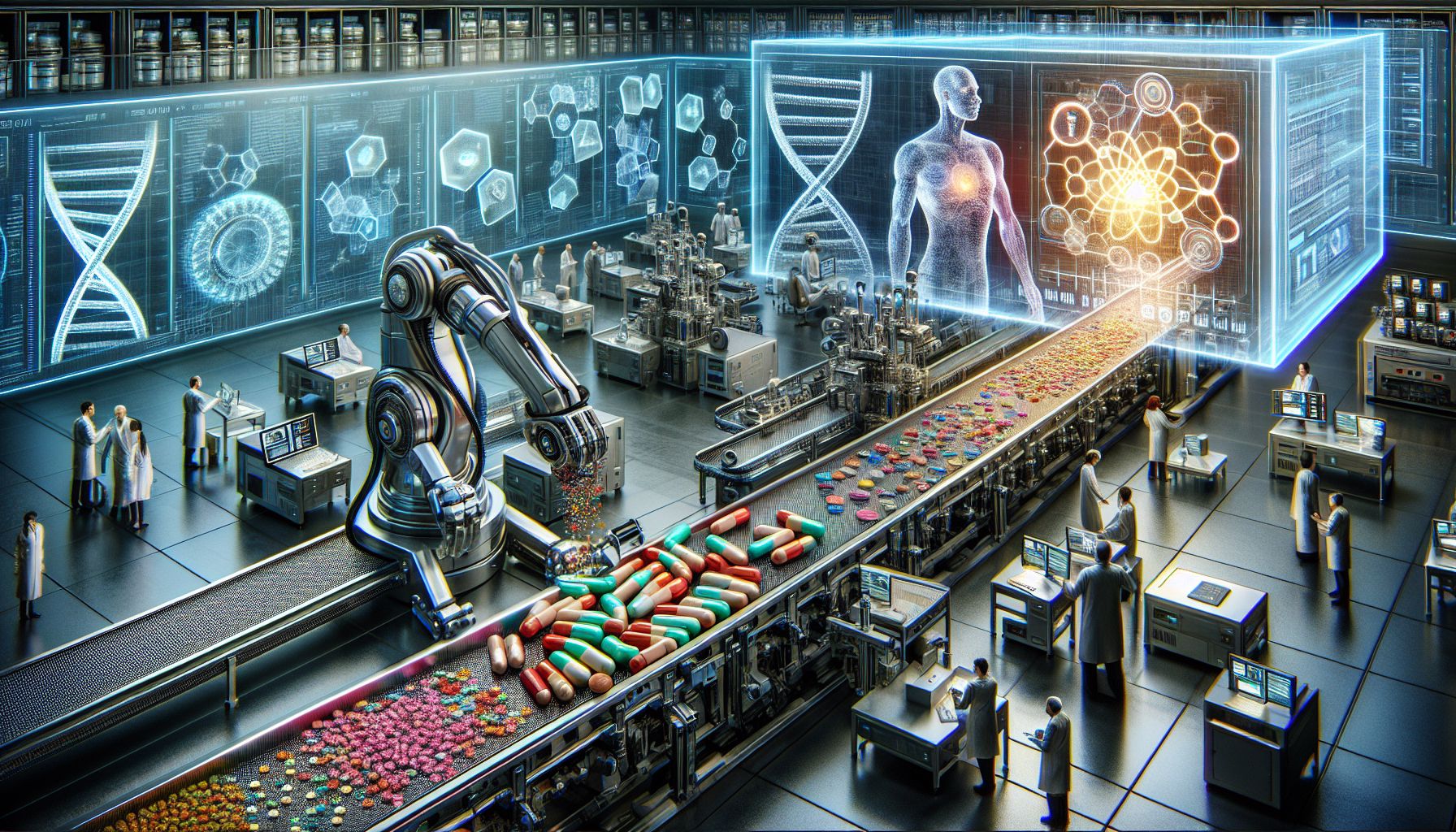
Furthermore, the use of technology in pharmaceutical products has improved the quality control standards in manufacturing processes. Automation technologies, such as robotic systems and artificial intelligence, have been implemented in drug production facilities to ensure precise and consistent drug formulations. This not only reduces the risk of human error but also enhances the safety and efficacy of pharmaceutical products.
In addition, technology has played a crucial role in improving the testing and regulatory processes of pharmaceutical products. Advanced imaging techniques, such as MRI and CT scans, allow researchers to monitor the effects of drugs in real-time, providing valuable insights into their efficacy and potential side effects. Moreover, electronic data capture systems have streamlined the clinical trial process, enabling researchers to collect and analyze data more efficiently.
The advent of telemedicine and digital health platforms has also transformed the way pharmaceutical products are distributed and consumed. Patients can now consult with healthcare providers remotely, receive electronic prescriptions, and order medications online, making healthcare more accessible and convenient. This has been particularly beneficial during the COVID-19 pandemic, where virtual consultations and remote monitoring have become essential in maintaining continuity of care.
In conclusion, the integration of technology in pharmaceutical products has brought about numerous advancements that have revolutionized the industry. From accelerating drug development to improving manufacturing processes and enhancing patient care, technology has reshaped the way pharmaceuticals are produced, tested, and distributed. As the pace of technological innovation continues to accelerate, the future of the pharmaceutical industry looks promising, with more breakthroughs on the horizon.
Comments are Disabled