The Intersection of Technology and Pharmaceutical Products
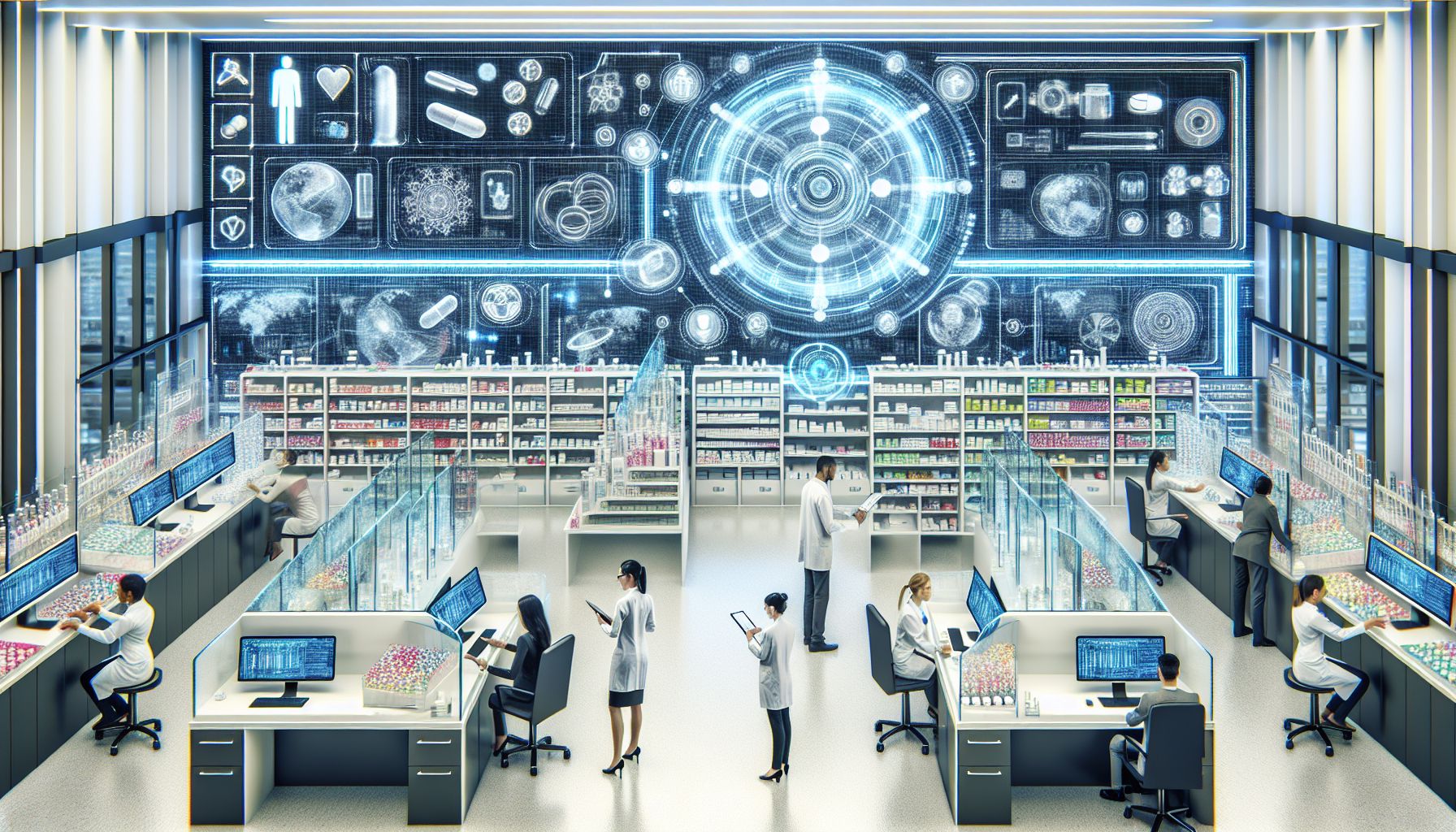
In today’s fast-paced world, technology is advancing at an unprecedented rate, revolutionizing almost every aspect of our lives. One industry that has been significantly impacted by these advancements is the pharmaceutical industry. The integration of technology into pharmaceutical products has resulted in numerous benefits, from improved drug delivery systems to personalized medicine tailored to individual patients.
One of the most notable advancements in technology and pharmaceutical products is the development of nanotechnology. Nanotechnology allows for the creation of nanoparticles that can deliver drugs directly to specific targets within the body, reducing side effects and increasing the efficacy of treatments. For example, nanotechnology has been used to improve the delivery of chemotherapy drugs, allowing for higher doses to be administered with fewer side effects.
Another area where technology has greatly influenced pharmaceutical products is in the realm of personalized medicine. By utilizing genetic testing and data analytics, pharmaceutical companies can now develop treatments that are tailored to an individual’s genetic makeup. This personalized approach to medicine has the potential to revolutionize the way we treat diseases, offering patients more effective and targeted treatments.
Furthermore, advancements in technology have also improved the manufacturing processes of pharmaceutical products. Automation and robotics have increased the speed and accuracy of drug production, reducing the likelihood of errors and contamination. This has not only improved the quality of pharmaceutical products but has also led to cost savings for both companies and consumers.
On the consumer side, technology has played a significant role in improving patient outcomes and adherence to medications. Smartphone apps and wearable devices can now track a patient’s medication schedule and provide reminders for when to take their medications. Additionally, telemedicine platforms have made it easier for patients to consult with healthcare providers and receive prescriptions without having to leave their homes.
Despite the numerous benefits of technology in pharmaceutical products, there are also challenges that come with this integration. Data privacy and security concerns must be addressed to protect sensitive patient information. Additionally, the high cost of implementing new technologies can sometimes be a barrier for smaller pharmaceutical companies.
In conclusion, the intersection of technology and pharmaceutical products has opened up a world of possibilities for improving patient care and treatment outcomes. From nanotechnology to personalized medicine, these advancements are shaping the future of healthcare and revolutionizing the way we approach disease management. As technology continues to evolve, it will be fascinating to see how the pharmaceutical industry continues to innovate and adapt to these changes.
Comments are Disabled