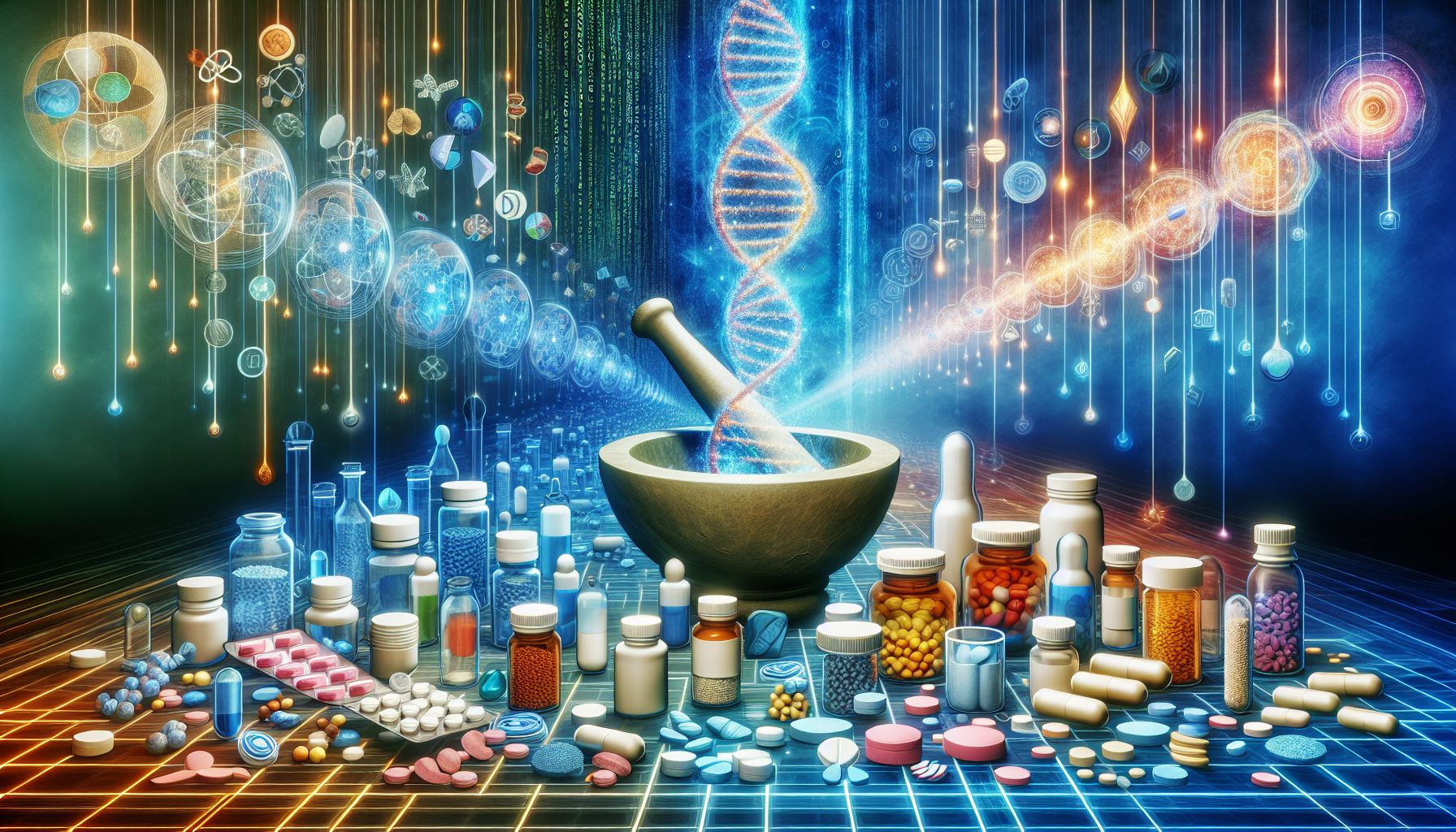
The Intersection of Technology and Pharmaceutical Products
In recent years, the pharmaceutical industry has been increasingly leveraging technology to enhance the development, manufacturing, and distribution of drugs and medical products. This integration of technology has not only revolutionized the way pharmaceutical companies operate but has also led to numerous innovations in the healthcare sector.
One of the key areas where technology has made a significant impact is in drug discovery and development. Advancements in artificial intelligence, machine learning, and data analytics have enabled researchers to identify potential drug candidates more efficiently and accurately. By analyzing vast amounts of data, these technologies can predict how a drug will interact with the body and its effectiveness in treating specific diseases. This has drastically shortened the time and reduced the cost involved in bringing new drugs to market.
Moreover, technology has also played a crucial role in improving the manufacturing processes of pharmaceutical products. Automation and robotics have streamlined production lines, ensuring consistency in quality and reducing the risk of human error. This has not only increased efficiency but also enhanced safety measures in drug manufacturing facilities.
In addition to drug discovery and manufacturing, technology has also had a significant impact on how pharmaceutical products are distributed and monitored. For instance, the use of blockchain technology has enabled better tracking and tracing of pharmaceutical products throughout the supply chain. This has helped in combating the issue of counterfeit drugs and ensuring the authenticity and safety of medications.
Furthermore, technological advancements such as telemedicine and digital health platforms have transformed the way patients access healthcare services and manage their medications. Through telemedicine, patients can consult with healthcare professionals remotely, reducing the need for in-person visits and improving access to care, especially in rural areas. Digital health platforms have also facilitated better adherence to medication regimens through reminders and tracking systems, ultimately leading to improved patient outcomes.
Overall, the integration of technology in the pharmaceutical industry has ushered in a new era of innovation and efficiency. It has not only accelerated the development of new drugs but has also improved the quality and accessibility of healthcare services. As technology continues to evolve, the future of pharmaceutical products looks promising, with the potential for even greater advancements in drug discovery, manufacturing, and distribution.
In conclusion, the intersection of technology and pharmaceutical products has led to groundbreaking advancements in the healthcare sector, benefiting both industry professionals and patients alike. As we embrace these technological innovations, we can look forward to a future where healthcare is more personalized, efficient, and effective.
Comments are Disabled