The Intersection of Technology and Pharmaceutical Products
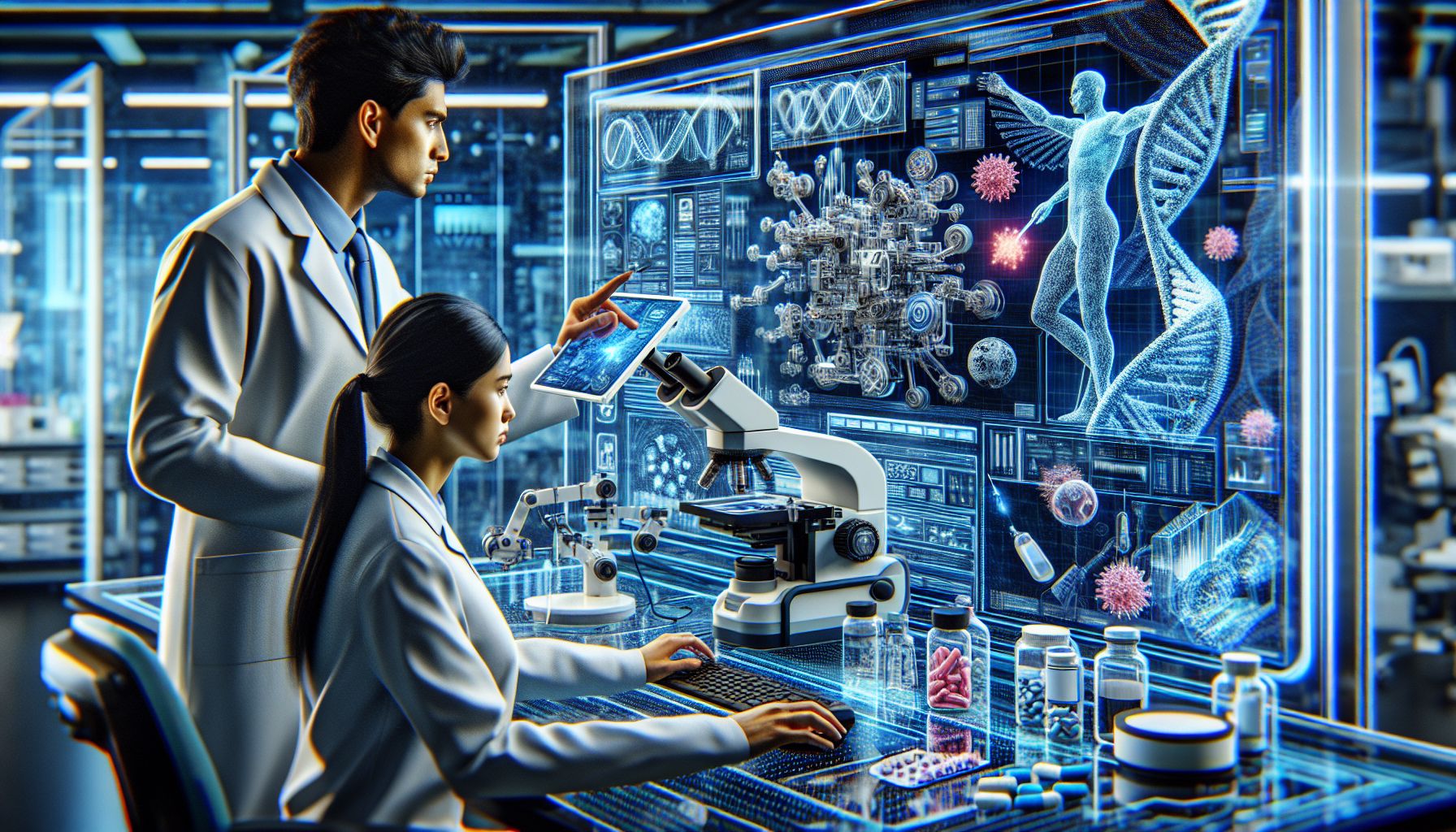
In today’s fast-paced world, technology has revolutionized almost every aspect of our lives. This includes the pharmaceutical industry, where advancements in technology have led to the development of innovative products and solutions. From drug discovery to patient care, technology plays a crucial role in improving efficiency, accuracy, and safety in the production and distribution of pharmaceutical products.
One of the ways technology has impacted the pharmaceutical industry is through artificial intelligence (AI) and machine learning. These technologies analyze vast amounts of data to identify potential drug candidates, predict drug interactions, and personalize treatment plans for patients. AI algorithms are capable of processing data much faster and more accurately than humans, leading to faster drug discovery and development.
Another area where technology has made a significant impact is in the manufacturing and quality control of pharmaceutical products. Automation and robotics have streamlined production processes, reducing the risk of errors and contamination. Moreover, technologies like blockchain are being used to track and trace pharmaceutical products throughout the supply chain, ensuring their authenticity and integrity.
In addition to improving efficiency and safety, technology has also enhanced patient care and accessibility to pharmaceutical products. Telemedicine platforms allow patients to consult with healthcare providers remotely, receive prescriptions electronically, and order medications online. This not only saves time and money for patients but also increases compliance with treatment regimens.
Furthermore, the rise of personalized medicine has been made possible by advancements in technology. Genetic testing and data analytics enable healthcare providers to tailor treatment plans based on a patient’s unique genetic makeup, lifestyle, and medical history. This personalized approach not only improves patient outcomes but also reduces the risk of adverse reactions to medication.
While technology has brought about many benefits to the pharmaceutical industry, there are also challenges that come with it. Privacy and security concerns surrounding patient data, regulatory hurdles in implementing new technologies, and the high costs associated with adopting cutting-edge technology are some of the obstacles that pharmaceutical companies face.
In conclusion, the intersection of technology and pharmaceutical products has opened up new possibilities for drug discovery, manufacturing, patient care, and personalized medicine. By harnessing the power of AI, automation, and data analytics, the pharmaceutical industry can continue to innovate and improve the quality and accessibility of healthcare products for patients around the world. As technology continues to evolve, so too will the ways in which pharmaceutical products are developed, distributed, and consumed.
Comments are Disabled