The Intersection of Technology and Pharmaceutical Products
In recent years, technology has revolutionized various sectors, bringing about significant advancements and disrupting traditional practices. One industry that has greatly benefited from this convergence is the pharmaceutical sector. By integrating technology into their products and processes, pharmaceutical companies are not only enhancing their research and development capabilities but also improving patient outcomes. Let’s explore the exciting ways in which technology has transformed pharmaceutical products.
Increasing Efficiency in Drug Development
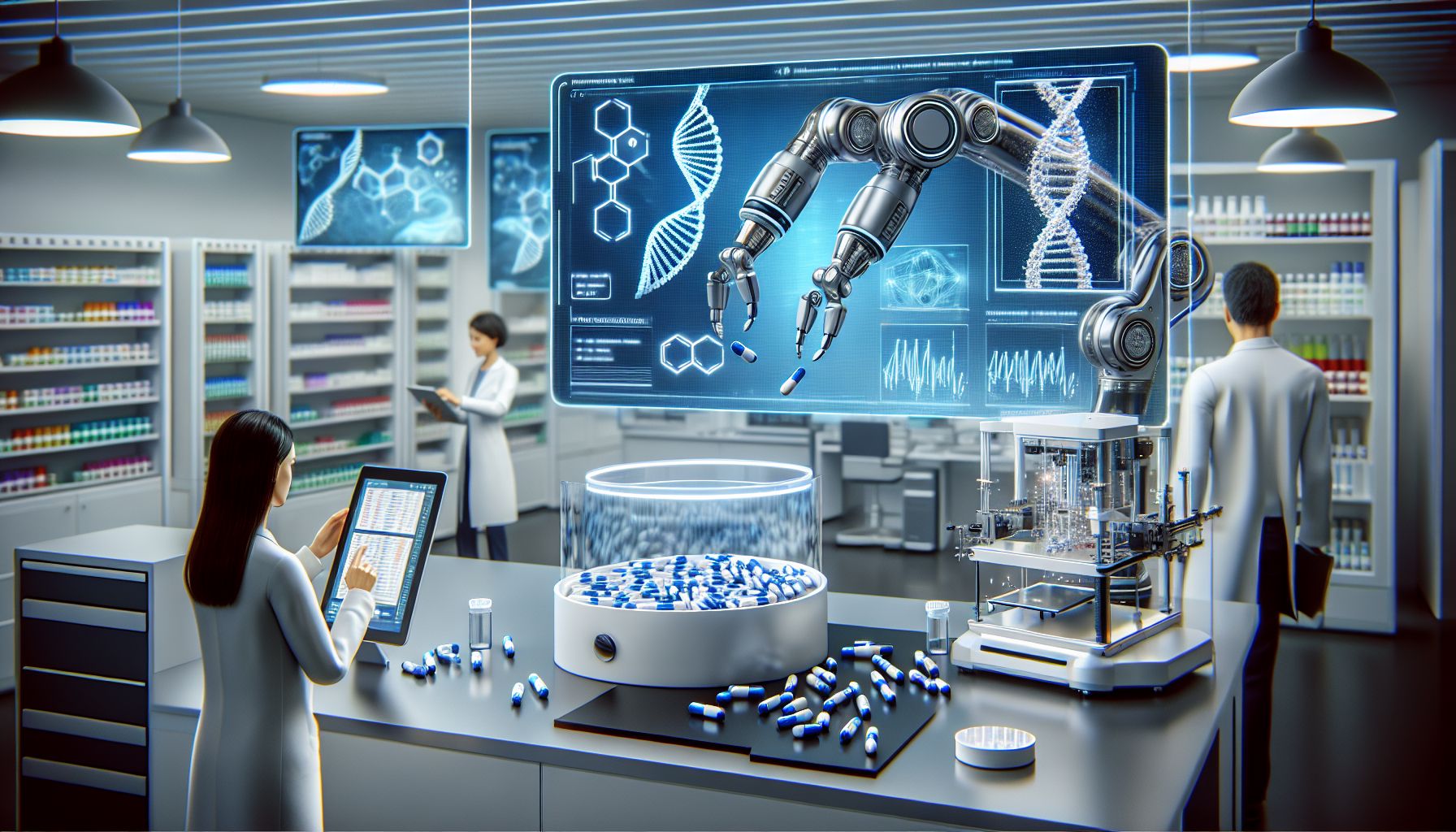
Traditionally, drug development has been a complex and time-consuming process, often taking many years and enormous resources to see a drug through from its conception to market availability. However, with the aid of technology, this landscape is rapidly evolving. Cutting-edge software and artificial intelligence algorithms are now streamlining various stages of drug development, saving time and costs.
Through advanced computational models, scientists can now analyze vast amounts of data to identify potential drug candidates and predict their efficacy. This data-driven approach maximizes efficiency by minimizing the need for manual trial and error methodologies. The integration of technology in drug development not only expedites the process but also increases the success rates of clinical trials, bringing life-saving medications to patients faster.
Digital Health Monitoring and Wearable Devices
The advent of wearable technology has transformed the way patients and healthcare providers monitor and manage various health conditions. From fitness trackers to smartwatches, these devices have become ubiquitous in our lives. However, their impact on the pharmaceutical industry has been particularly remarkable.
Wearable devices equipped with sensors can monitor vital signs, collect real-time health data, and transmit it to healthcare professionals. This constant stream of data enables accurate, remote patient monitoring, making it easier to detect early signs of deterioration and prevent serious health complications. Moreover, healthcare providers can leverage this information to personalize medication regimens based on individual needs, optimizing treatment outcomes.
Enhancing Medication Adherence
Non-adherence to prescribed medication regimens is a pervasive issue that affects patient outcomes and healthcare costs. Technology has stepped in to address this challenge, offering solutions that improve medication adherence.
Smart pill bottles and medication reminder apps effectively notify patients when it’s time to take their medication. Some devices even track whether the medication has been consumed and send notifications to both patients and healthcare providers regarding missed doses. By integrating technology into pharmaceutical products, patients can better adhere to their prescribed regimens, leading to improved health outcomes and reduced hospitalizations.
Conclusion
As technology continues to advance at an exponential pace, its integration with pharmaceutical products is significantly transforming the industry. From expediting drug development to enabling remote patient monitoring and improving medication adherence, technology is enhancing the way we develop, use, and benefit from pharmaceuticals. The future holds immense potential for these innovations, fostering better health outcomes and improving the overall quality of life for patients worldwide.
Comments are Disabled