Transforming the Pharmaceutical Industry through Technology
Technology has revolutionized every aspect of our lives, including the pharmaceutical industry. With advancements in digital health, artificial intelligence, and big data analytics, pharmaceutical companies are now able to develop more personalized, precise, and effective drugs for various medical conditions.
One of the most significant improvements technology has brought to pharmaceutical products is in the area of drug discovery and development. Traditional methods of drug discovery are time-consuming, costly, and often hit-or-miss. However, with the use of algorithms and computer simulations, scientists can now predict how a drug will react in the body, speeding up the process of finding new medications.
Another way technology is transforming pharmaceutical products is through precision medicine. By analyzing a patient’s genetic makeup and lifestyle factors, doctors can now tailor treatments to individual patients, rather than using a one-size-fits-all approach. This not only leads to better outcomes but also reduces side effects and healthcare costs.
Furthermore, technology has made it easier for pharmaceutical companies to conduct clinical trials. Virtual trials, mobile health apps, and wearables allow researchers to monitor patients remotely, gather real-time data, and improve patient recruitment and retention. This not only speeds up the drug development process but also ensures that drugs are safe and effective before they hit the market.
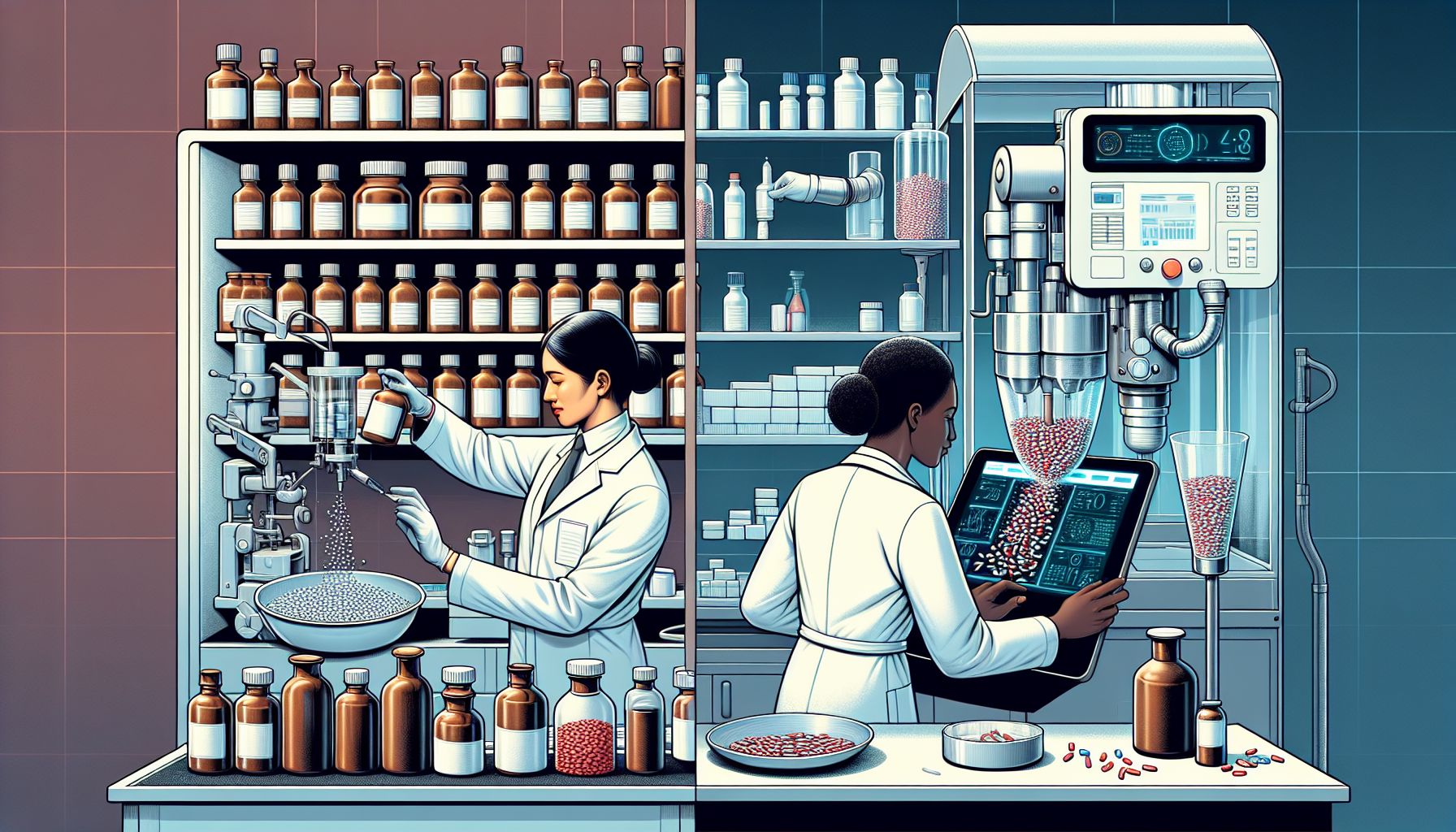
In addition to drug development, technology is also changing the way pharmaceutical products are manufactured and distributed. Automation, robotics, and 3D printing are revolutionizing the production process, making it faster, more efficient, and cost-effective. Smart packaging and tracking systems also help ensure that drugs are stored and transported properly, reducing the risk of contamination or counterfeit products.
Despite all the benefits technology brings to the pharmaceutical industry, there are also challenges that come with it. Data security, regulatory compliance, and ethical considerations are just some of the issues that companies need to address when adopting new technologies. Additionally, the high costs of implementing and maintaining advanced systems can be a barrier for smaller companies or startups.
In conclusion, technology is playing a crucial role in transforming the pharmaceutical industry, from drug discovery to manufacturing and distribution. By leveraging the power of data and digital tools, companies can develop safer, more effective medications, improve patient outcomes, and ultimately save lives. As technology continues to evolve, so too will the way we approach healthcare and the development of pharmaceutical products.
Comments are Disabled