The Intersection of Technology and Pharmaceutical Products
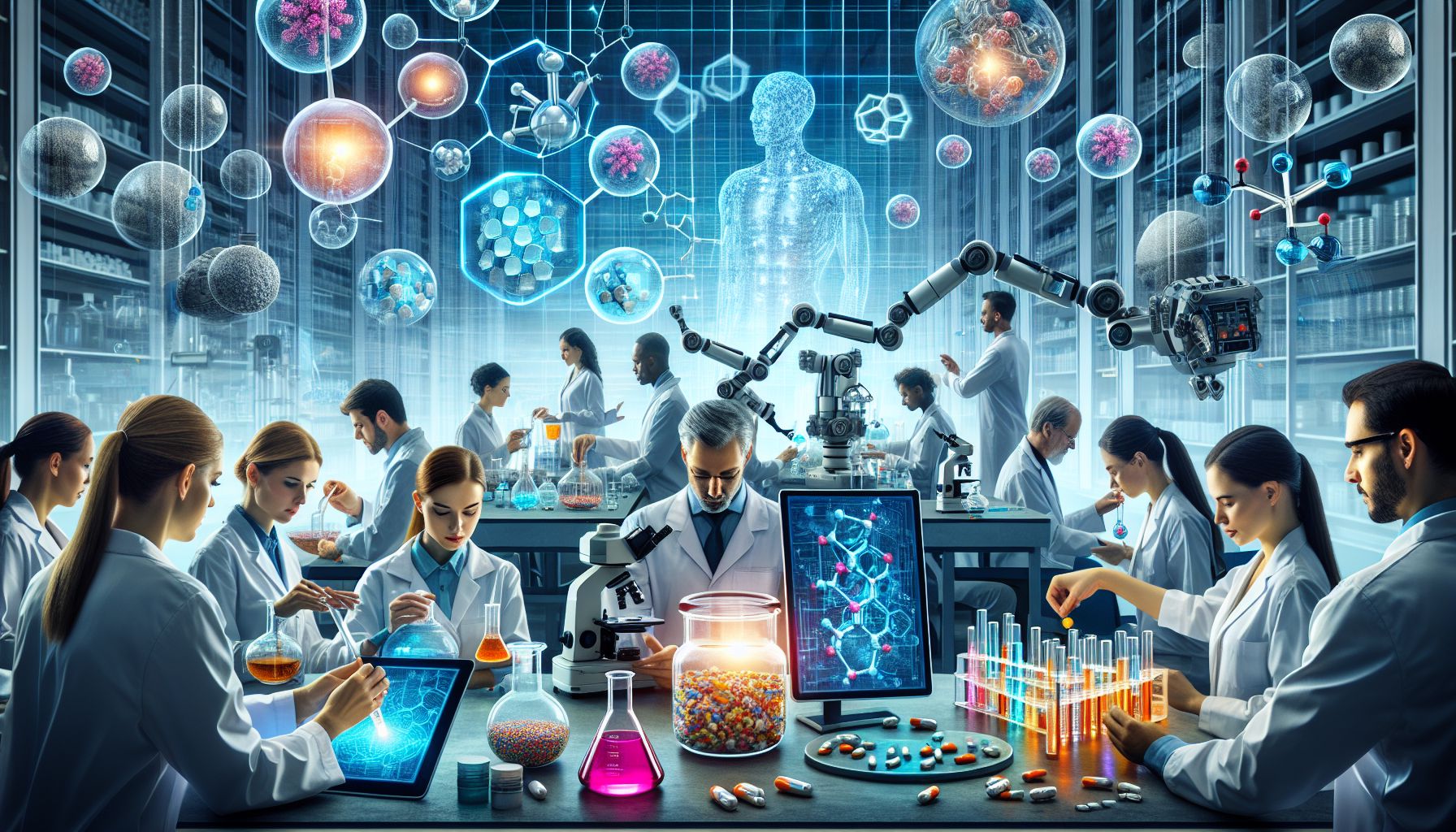
Technology has played a significant role in revolutionizing the pharmaceutical industry, leading to the development of innovative products that have transformed the way diseases are diagnosed, treated, and managed. From advanced drug delivery systems to precision medicine, the integration of technology has paved the way for more personalized and effective healthcare solutions.
One of the key areas where technology has made a substantial impact is in drug discovery and development. With the help of artificial intelligence and machine learning algorithms, researchers are able to analyze vast amounts of data to identify potential drug candidates and predict their efficacy. This has significantly accelerated the drug discovery process, reducing the time and cost involved in bringing new drugs to market.
In addition, advancements in technology have also led to the development of novel drug delivery systems that offer more targeted and precise delivery of medications to specific areas of the body. For example, nanotechnology has enabled the creation of nanoscale drug delivery systems that can deliver drugs directly to diseased cells while minimizing side effects on healthy tissues. This has opened up new possibilities for the treatment of diseases such as cancer, where targeted therapies are essential for better outcomes.
Moreover, the rise of digital health technologies has ushered in a new era of patient-centered care, allowing individuals to take a more active role in managing their health. Mobile health apps, wearable devices, and telemedicine platforms have enabled patients to monitor their health, track their medication adherence, and communicate with healthcare providers remotely. This not only improves patient engagement and outcomes but also reduces healthcare costs by preventing unnecessary hospital visits and complications.
Furthermore, technology has also played a crucial role in the development of personalized medicine, where treatments are tailored to an individual’s unique genetic makeup, lifestyle, and environment. Advances in genomics, proteomics, and data analytics have enabled researchers to identify biomarkers that can predict how a patient will respond to a specific treatment, allowing for more targeted and effective therapies.
In conclusion, the integration of technology into pharmaceutical products has brought about significant advancements in drug discovery, drug delivery, patient engagement, and personalized medicine. These technological innovations have not only improved the effectiveness and efficiency of healthcare solutions but have also paved the way for more personalized and patient-centered care. As technology continues to evolve, the potential for even more groundbreaking advancements in the pharmaceutical industry remains promising.
Comments are Disabled