Technology and Pharmaceutical Products: A Match Made in Innovation
Technology is rapidly advancing in every field, and the pharmaceutical industry is no exception. The marriage between technology and pharmaceutical products has resulted in revolutionary breakthroughs, transforming the way we prevent, diagnose, and treat diseases. From drug discovery to patient care, technology has become an essential component in every stage of pharmaceutical development and delivery.
Enhancing Drug Discovery
One of the most crucial aspects of pharmaceutical development is the process of finding new drugs. Traditionally, this has been a time-consuming and expensive endeavor. However, technology has helped streamline the process, making it faster and more efficient.
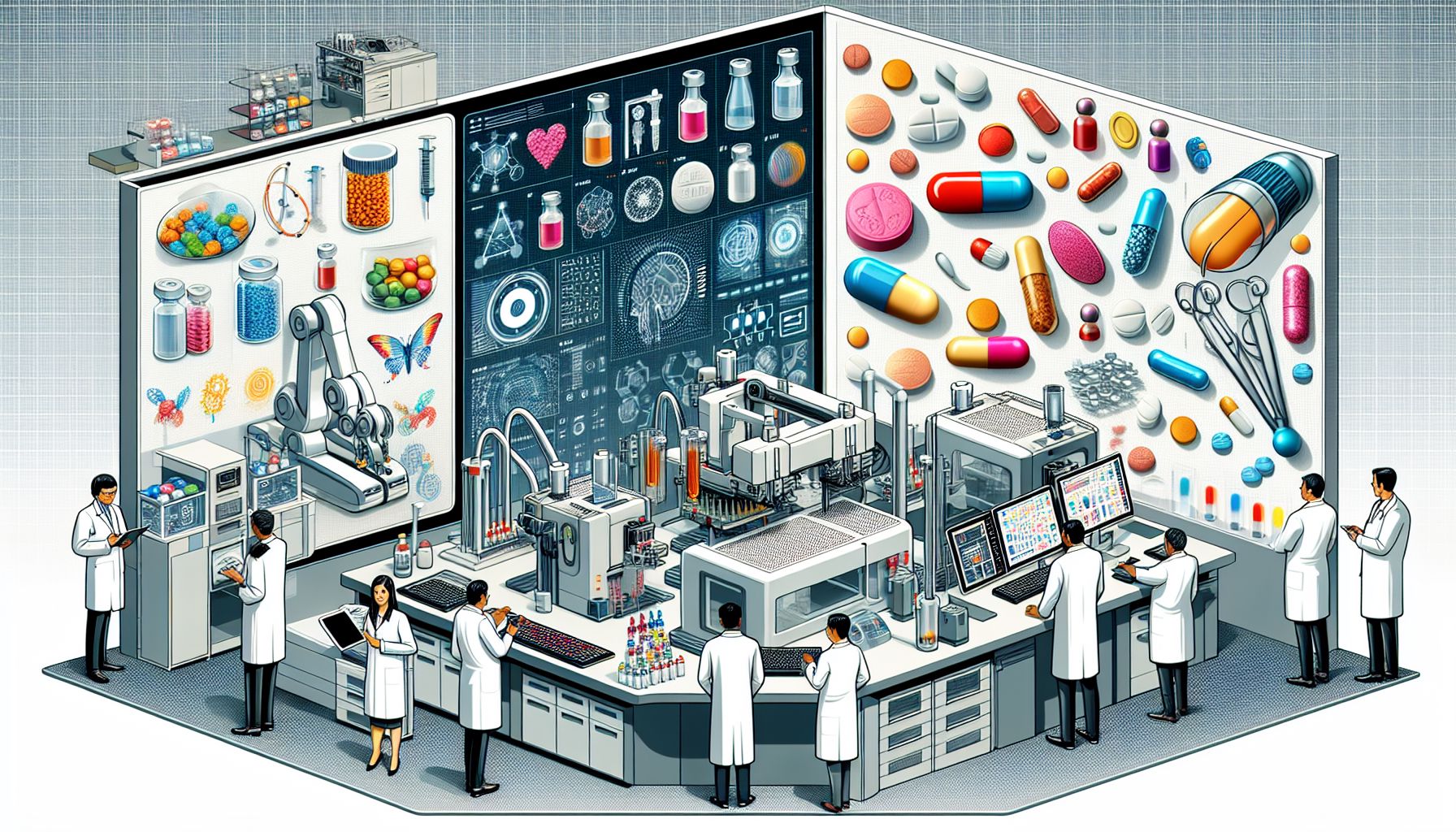
High-throughput screening, for example, uses automated technology to rapidly test thousands of chemical compounds and identify potential candidates for new drugs. This saves researchers countless hours in the lab and expedites the discovery process significantly. Furthermore, advanced algorithms and machine learning have enabled scientists to predict the outcome of drug-target interactions accurately, reducing the reliance on trial and error.
Revolutionizing Manufacturing
The production of pharmaceutical products has also been revolutionized by technology. Automation and robotics have made manufacturing processes more precise, reducing the chances of errors and contamination. This not only ensures the quality and safety of pharmaceutical products but also improves cost-effectiveness.
Additionally, technology has opened up avenues for personalized medicine and tailored drug formulations. 3D printing, for example, allows the creation of customized pills with precise dosages, catering to individual patient needs. This customization improves treatment outcomes and patient compliance.
Empowering Patient Care
Beyond the research and manufacturing aspects, technology has transformed how patients receive healthcare and manage their conditions. Mobile applications have become a powerful tool in monitoring and managing chronic diseases. From tracking medication adherence to measuring vital signs, these applications enable patients to take control of their health.
Telemedicine, another technological advancement, allows patients to access healthcare remotely, eliminating the need for unnecessary hospital visits. This has proven particularly beneficial for patients in rural areas with limited access to healthcare facilities. Furthermore, electronic health records have improved communication and coordination between healthcare providers, ensuring seamless care delivery.
Concluding Thoughts
As technology continues to evolve, so does its impact on the pharmaceutical industry. From drug discovery to patient care, technology has revolutionized every aspect of pharmaceutical development and delivery. The enhanced efficiency, accuracy, and personalized nature of pharmaceutical products owe much to innovative technologies.
However, it is vital to acknowledge that technology and pharmaceutical products also pose challenges. Ensuring the security and privacy of sensitive patient data, for instance, is of utmost importance. Striking a balance between innovation and ethical considerations is crucial in harnessing the full potential of this powerful alliance.
Nonetheless, the integration of technology within the pharmaceutical industry has undoubtedly improved treatment outcomes for patients worldwide. The future holds even more promise as ongoing research focuses on artificial intelligence, nanotechnology, and other cutting-edge advancements. The close collaboration between technology and pharmaceutical products continues to pave the way for a healthier and brighter future.
Comments are Disabled