The Intersection of Technology and Pharmaceutical Products
In recent years, the fields of technology and pharmaceuticals have increasingly overlapped, leading to innovations that have revolutionized the healthcare industry. From telemedicine and electronic health records to personalized medicine and medical devices, technology has played a crucial role in advancing the development and delivery of pharmaceutical products.
One of the most significant ways in which technology has impacted pharmaceutical products is through the use of data analytics and artificial intelligence. With the massive amounts of data available today, researchers can analyze and identify trends in drug effectiveness, adverse reactions, and patient outcomes. This allows pharmaceutical companies to develop more targeted and personalized treatments for patients, ultimately improving the efficacy and safety of their products.
Furthermore, technology has enabled the development of sophisticated drug delivery systems that enhance the bioavailability and efficacy of pharmaceutical products. From nanotechnology-based drug delivery systems to implantable devices that release medication at controlled rates, these innovations have streamlined treatment regimens and improved patient compliance.
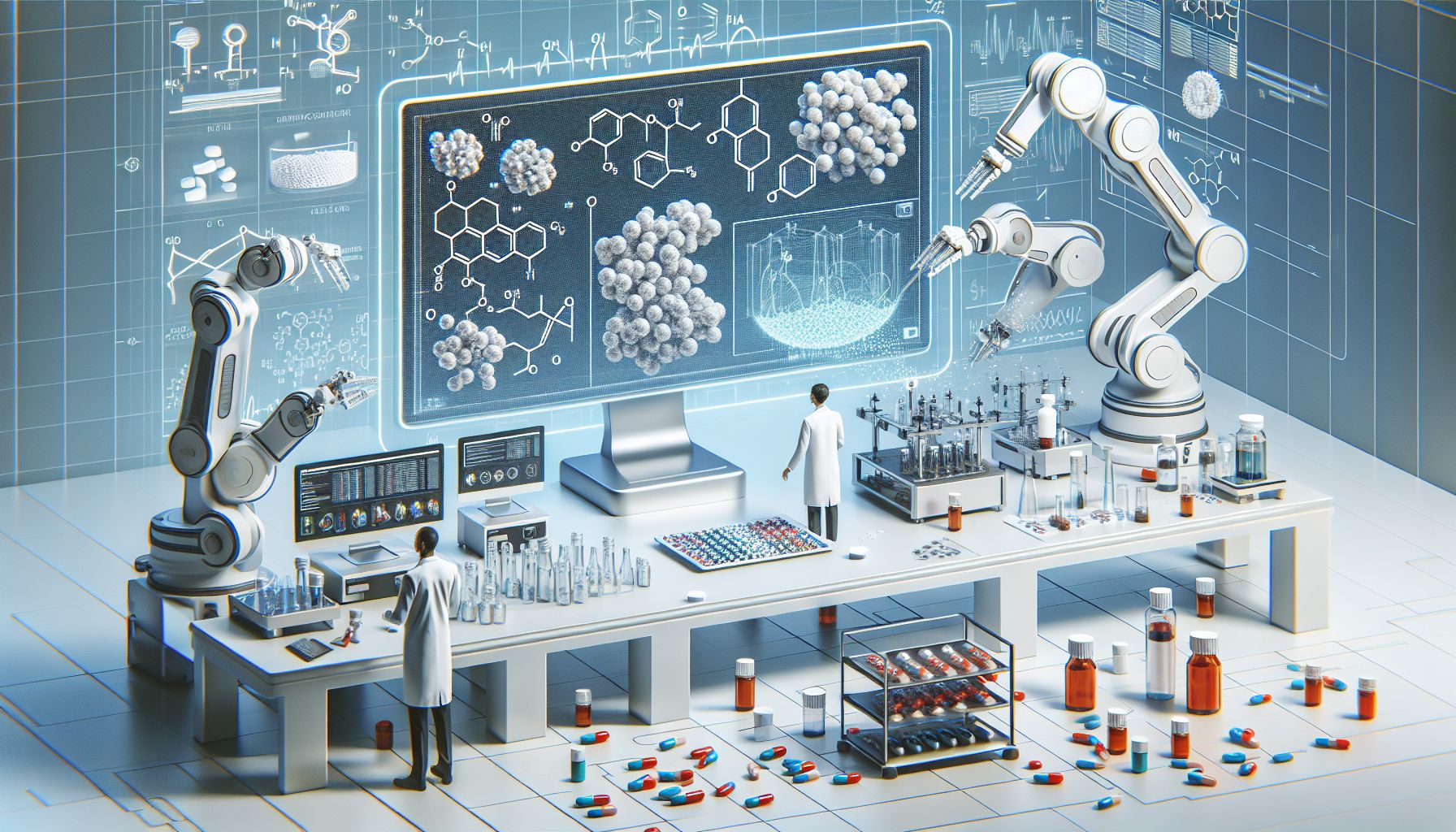
In addition, advancements in technology have revolutionized the way pharmaceutical products are manufactured and tested. Automation and robotics have significantly increased the efficiency and accuracy of drug manufacturing processes, leading to higher-quality products and faster production times. Similarly, technologies such as 3D printing and organ-on-a-chip systems have enabled researchers to simulate the human body and test drugs in a more realistic and precise manner, reducing the time and cost of drug development.
Moreover, technology has transformed how pharmaceutical products are marketed and distributed to consumers. Digital platforms and mobile apps allow companies to directly engage with patients, providing them with valuable information about their products and treatment options. Additionally, e-commerce platforms have made it easier for patients to access and purchase pharmaceutical products online, improving convenience and accessibility.
In conclusion, the integration of technology into the pharmaceutical industry has had a profound impact on the development, manufacturing, and distribution of medical products. As technology continues to advance, we can expect even more groundbreaking innovations that will further improve patient outcomes and revolutionize healthcare delivery. The future of pharmaceutical products is undoubtedly intertwined with technology, and the possibilities for improving human health are endless.
Comments are Disabled