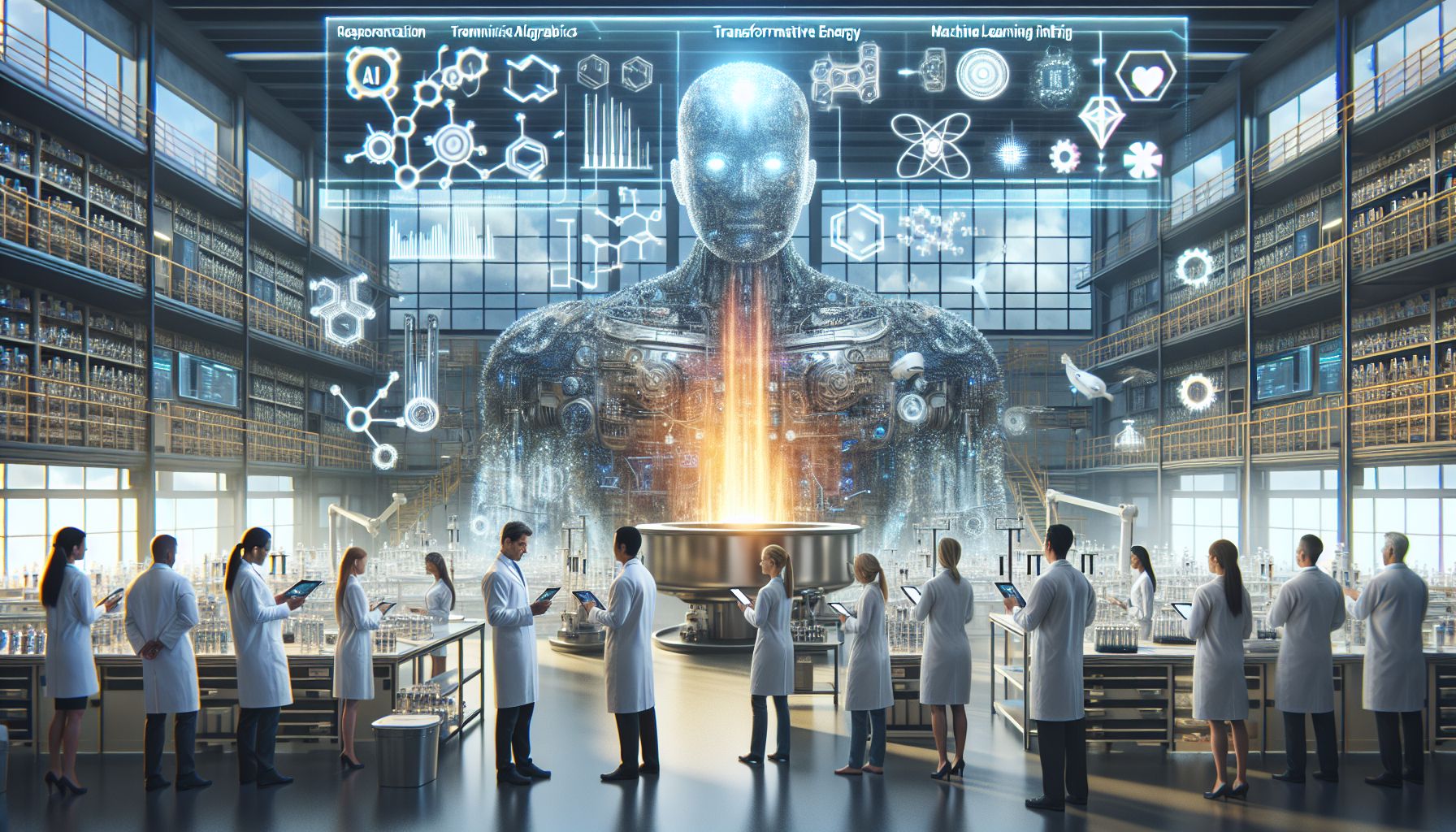

Technology’s Impact on the Pharmaceutical Industry
In recent years, technological advancements have revolutionized the way pharmaceutical products are developed, tested, and distributed. These innovations have not only improved efficiency and quality in the industry but also accelerated the pace of drug discovery and development. Let’s explore the intersection of technology and pharmaceutical products and the benefits it brings to both the industry and consumers.
Drug Discovery and Development
One area where technology has had a significant impact is in drug discovery and development. Technologies such as artificial intelligence, machine learning, and data analytics are being used to identify potential drug targets, predict drug interactions, and optimize drug formulations. These tools allow researchers to analyze vast amounts of data quickly and efficiently, leading to faster and more cost-effective drug development processes.
Personalized Medicine
Advancements in technology have also enabled the development of personalized medicine, where treatment plans are tailored to individual patients based on their genetic makeup, lifestyle, and health history. This precision medicine approach has the potential to improve patient outcomes and reduce the risk of adverse reactions to medications. With the help of genetic testing and other technologies, healthcare providers can now prescribe medications that are more likely to be effective for a specific patient.
Supply Chain Management
Technology has also transformed the pharmaceutical supply chain, making it more efficient and secure. Blockchain technology, for example, is being used to track and authenticate pharmaceutical products from the manufacturer to the end-user, reducing the risk of counterfeit drugs entering the market. Additionally, inventory management systems and automated warehouses help pharmaceutical companies streamline their operations and ensure that medications are readily available when needed.
Patient Engagement
Technological innovations have also improved communication and engagement between pharmaceutical companies and patients. Mobile apps, telemedicine, and wearable devices allow patients to monitor their health, track medications, and receive reminders for prescription refills. These tools empower patients to take an active role in managing their health and promote adherence to prescribed treatment plans.
Conclusion
Overall, technology has transformed the pharmaceutical industry in profound ways, from drug discovery and development to supply chain management and patient engagement. These advancements have not only improved efficiency and quality in the industry but also enhanced patient care and outcomes. As technology continues to evolve, we can expect even greater innovations in the pharmaceutical sector, benefiting both industry professionals and consumers alike.
Comments are Disabled